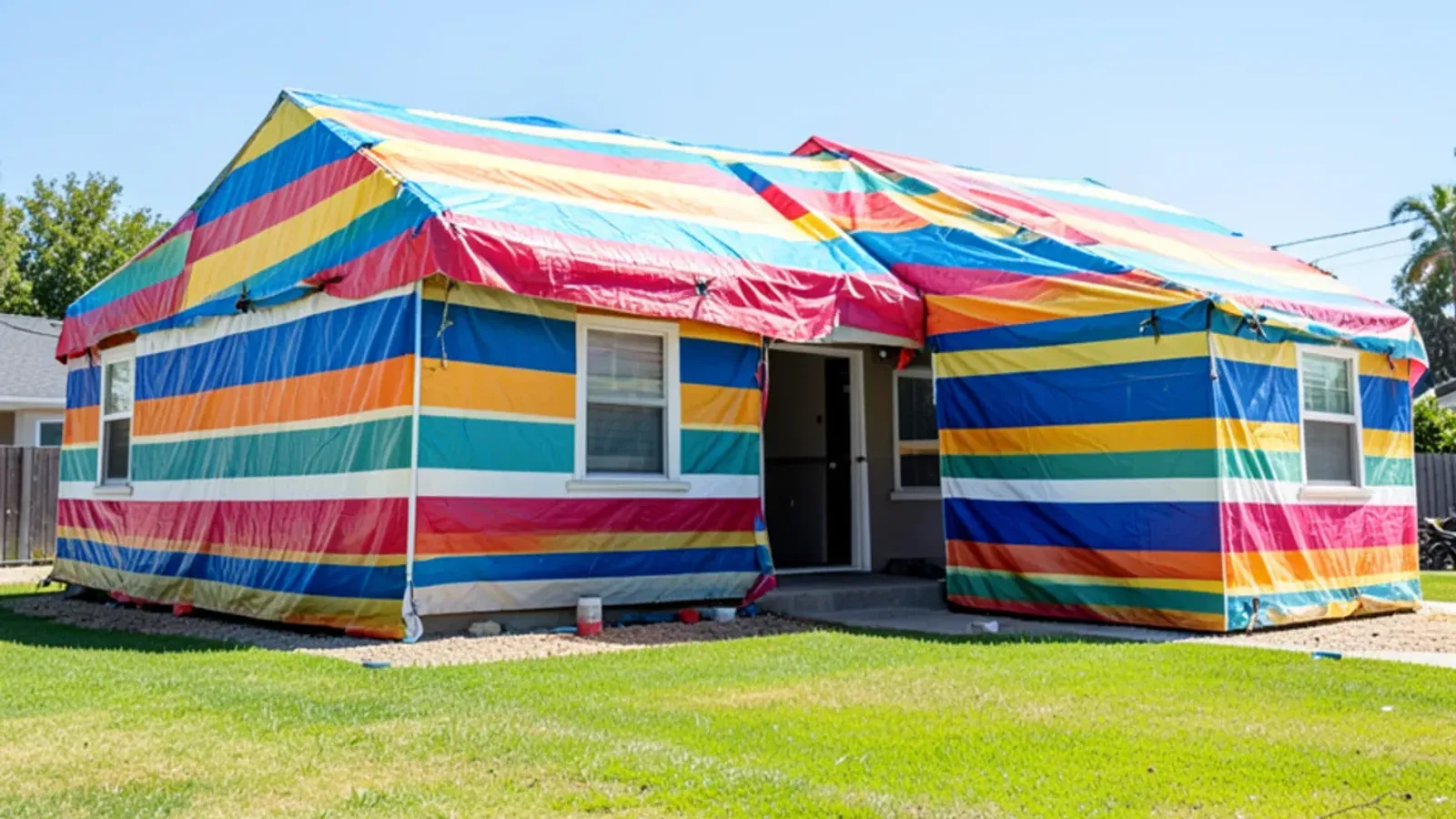
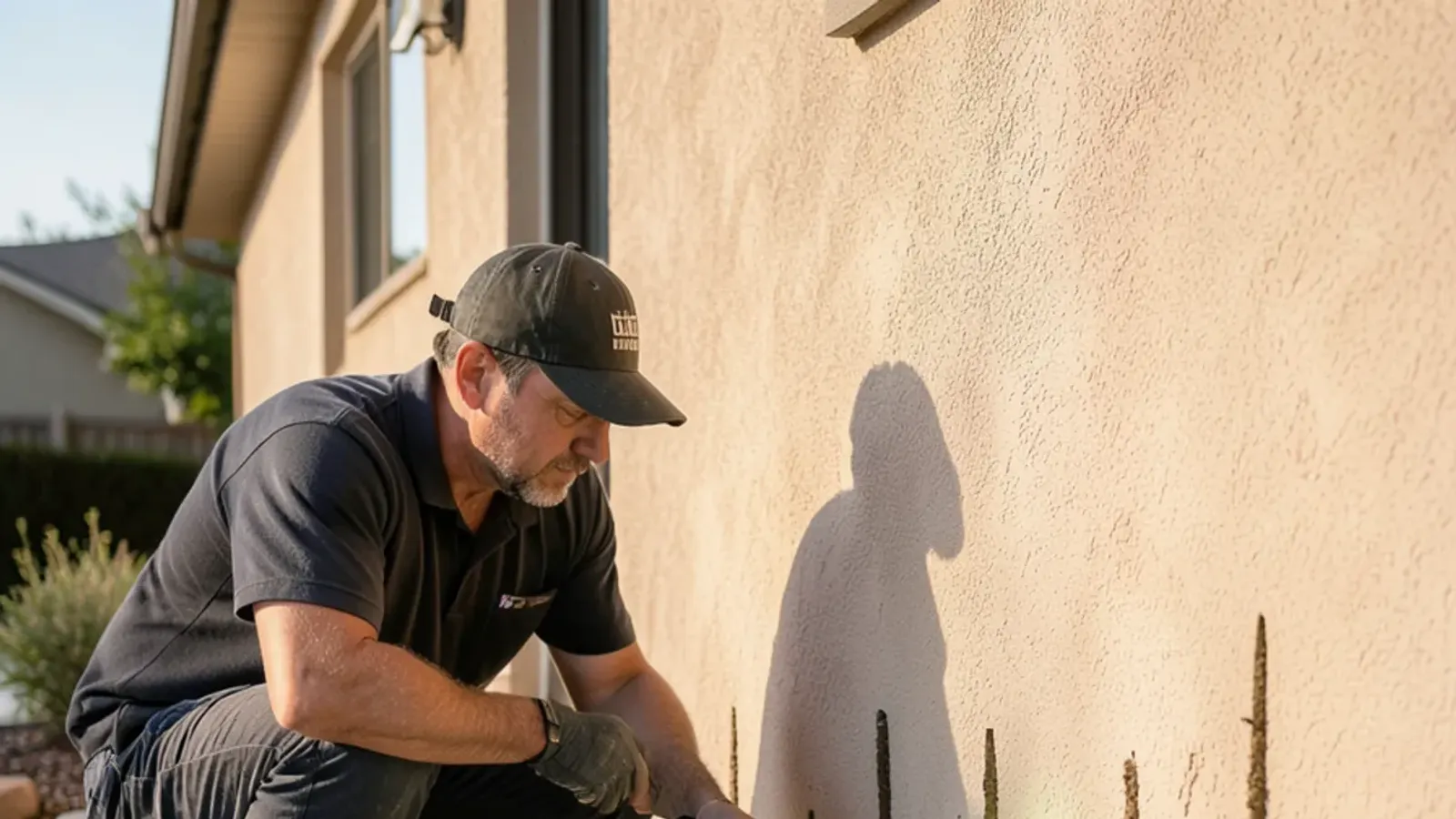
Termite control in San Jose depends on which termite you have: subterranean termites that work up from the soil, or drywood termites in exposed wood. Budget Pest Control inspects for both, explains whether localized treatment or tent fumigation fits, and holds the SPCB registration that lets a California company do the work legally.
What a termite control job includes
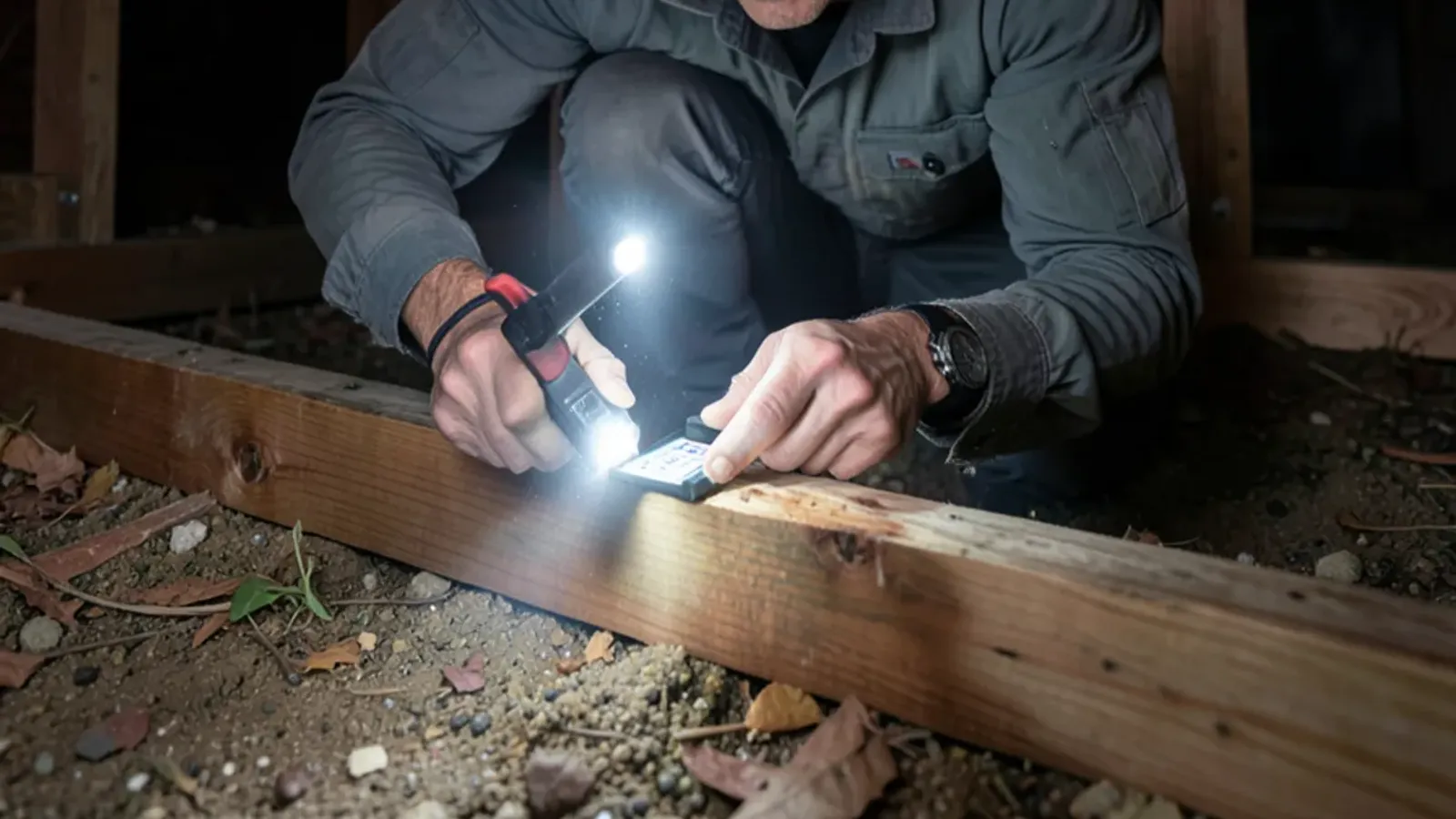
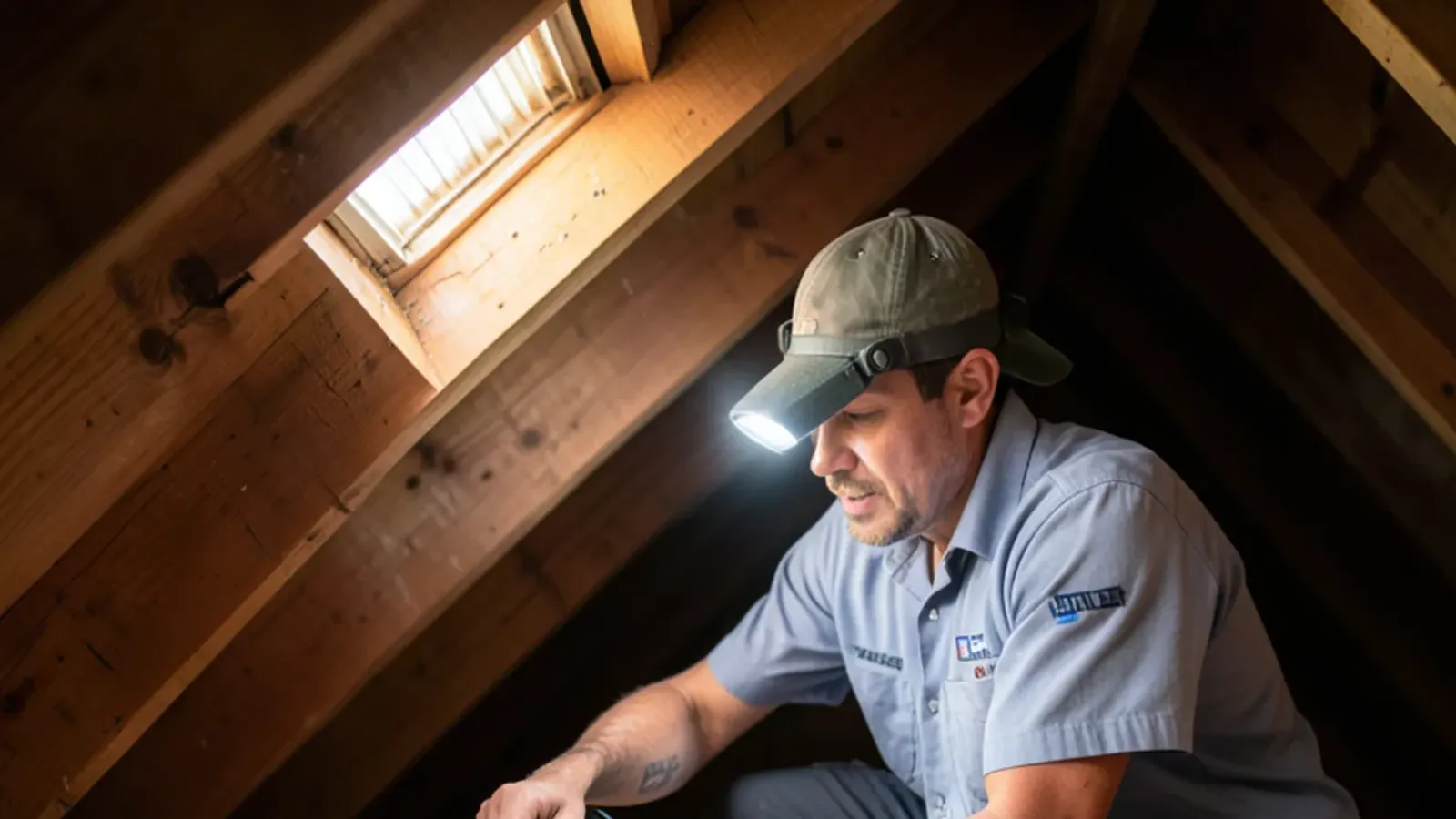
- An inspection for both subterranean and drywood termites, covering the foundation, crawlspace, attic and exposed wood
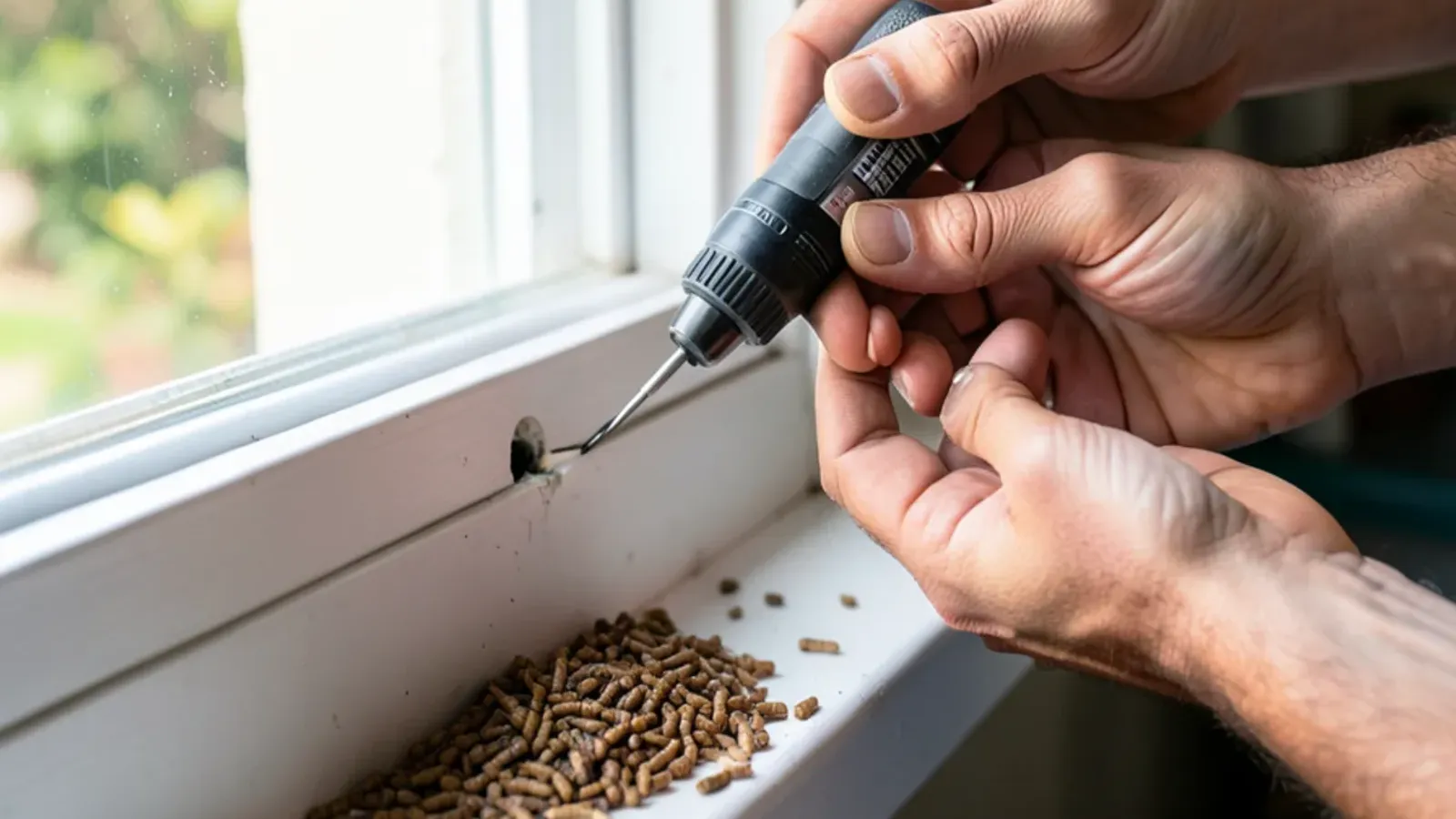
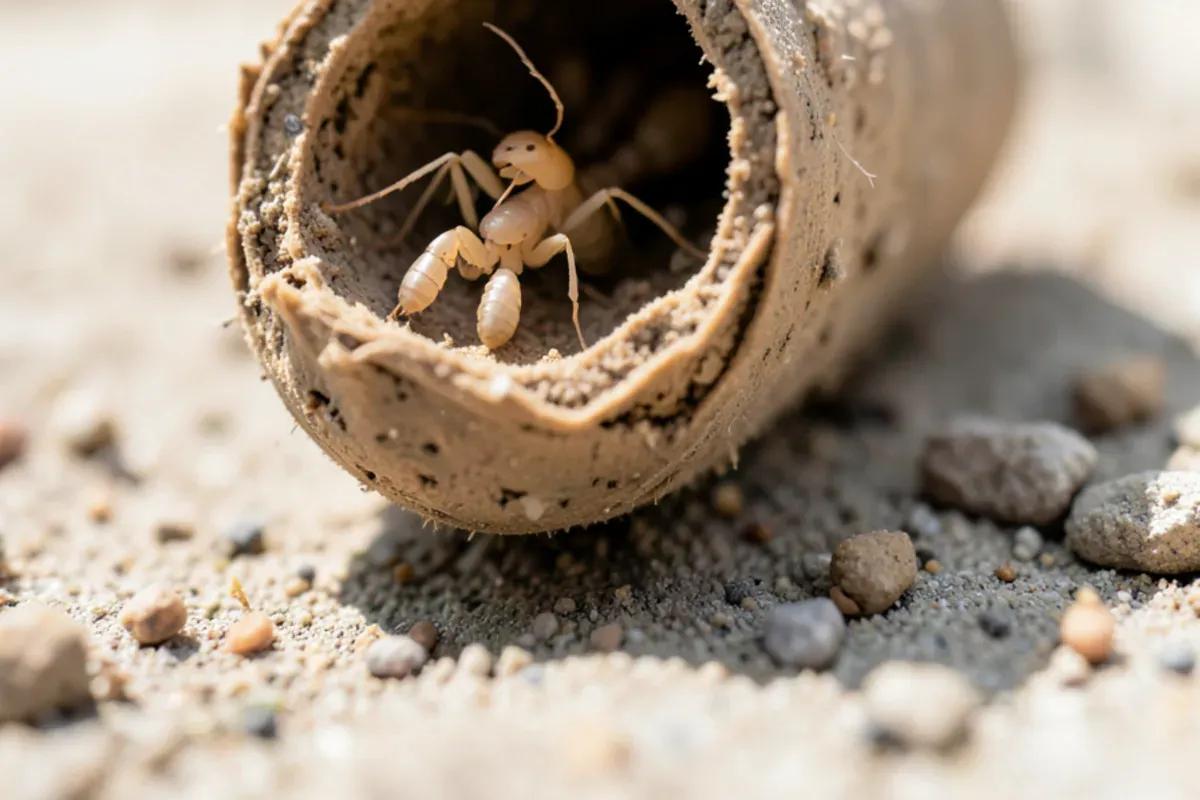
- Identification from mud tubes, pellet-like frass and hollow-sounding wood
- A written recommendation: localized treatment, a soil or bait barrier, or tent fumigation
- WDO (wood-destroying organism) reports for home sales
- Clear scope, method and re-entry details in writing before work starts
How we handle it, step by step
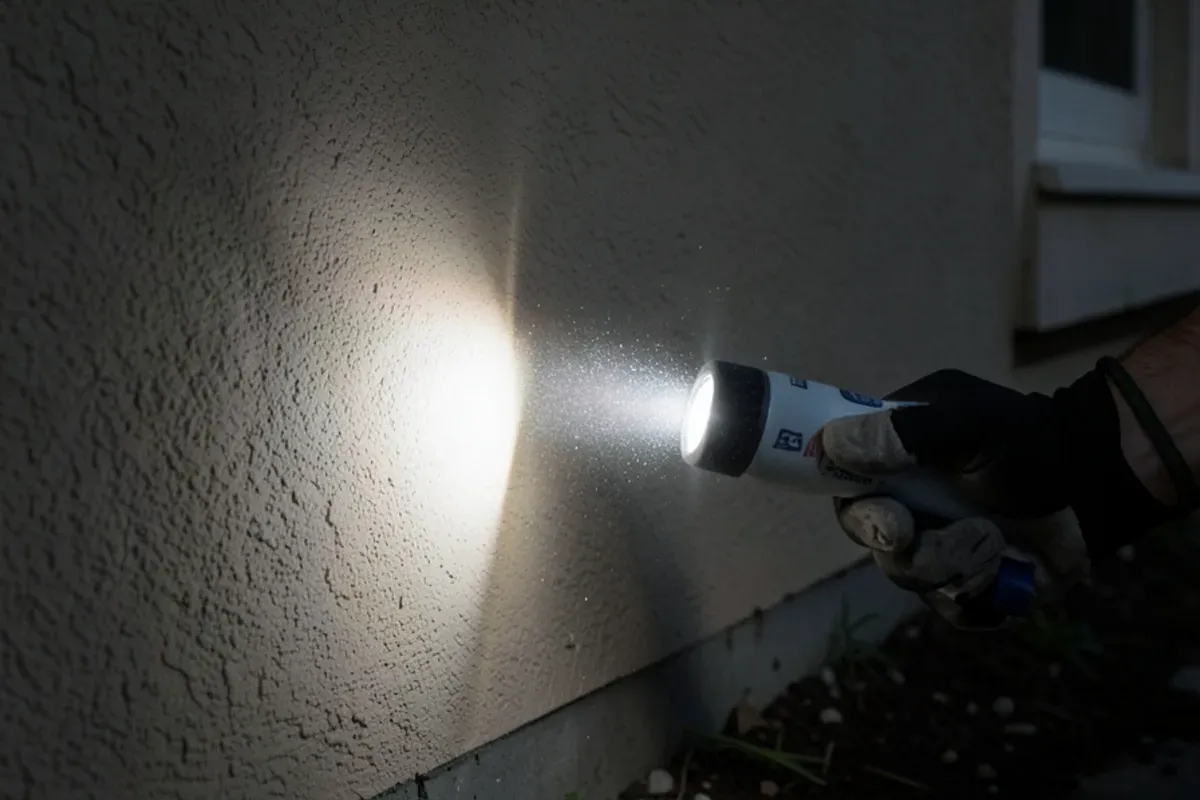
- Inspect. We check the foundation, crawlspace, attic and exposed wood for mud tubes, frass and damaged wood, and determine whether you have subterranean termites, drywood termites or both.
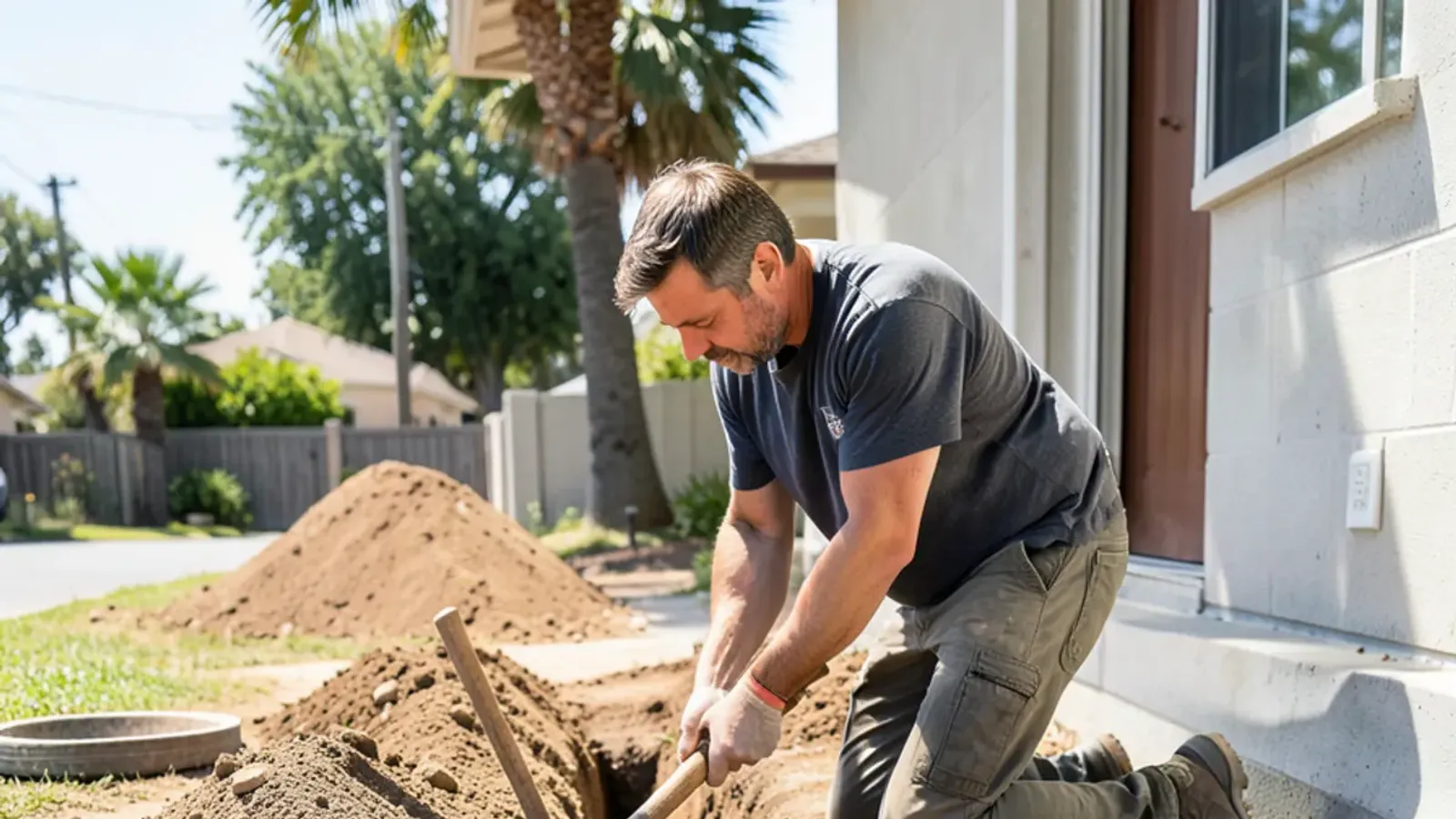
- Recommend. We give a written recommendation matched to the finding: a liquid soil barrier or Sentricon bait for subterranean, localized treatment or tent fumigation for drywood.
- Treat. We carry out the agreed treatment. For whole-structure drywood infestations that means fumigation; for contained problems, localized treatment targets the area.
- Document. You get the findings and treatment in writing, including re-entry timing for fumigation and any WDO report an escrow needs.
Talk to a licensed pro
Call for a free estimate — we inspect, explain the finding and quote in writing before any treatment.
- Licensed — SPCB #5209
- 4.8★ on Google (20)
- Serving since 2007
- Free Estimates
What affects the price
- Subterranean versus drywood, and whether the infestation is contained or whole-structure
- Tent fumigation ($2,200–$5,500 on statewide estimates) versus localized treatment
- Square footage and construction type
- Whether a WDO report is needed for a sale
Why choose Budget Pest Control for termite control
- California SPCB registration #5209 with Fumigation & Pest Control — the category that governs termite work; verify at pestboard.ca.gov
- We inspect for both termite types, not just the obvious one
- Honest guidance on when fumigation is truly needed versus localized treatment
- Serving San Jose home buyers, sellers and investors since 2007
Termite Control in San Jose & the South Bay
UC IPM documents both drywood and subterranean termites across California, and San Jose’s mix of pre-1960 homes (drywood risk) and irrigated clay soils (year-round subterranean activity) means many homes carry both. Swarm calls spike after the first heavy fall rains, and a WDO report is a routine part of Bay Area escrow.
Signs of termites in a San Jose home
Termites work out of sight, so the signs are indirect. Subterranean termites build pencil-thick mud tubes up foundation walls and piers to stay moist while they reach wood. Drywood termites push their droppings out through tiny kick-out holes — hard, six-sided pellets the color of sawdust — leaving small piles below infested beams and window frames. Both hollow wood from the inside, so it sounds papery when tapped, and the paint over it blisters or ripples as the galleries thin the surface.
- Pencil-width mud tubes climbing foundation walls, piers and crawlspace joists
- Small piles of hard, sand-colored pellets under baseboards and sills
- Wood that sounds hollow or papery when you tap it
- Blistered, rippled or sagging paint over wood members
- Discarded wings on windowsills and in spider webs after a swarm
- Doors and windows that suddenly stick in their frames
What termite control costs in San Jose
Price depends first on which termite you have and how far it has spread. A contained drywood pocket in one window frame can be handled with localized treatment for a fraction of a whole-structure job. Once drywood termites are through the framing, tent fumigation becomes the reliable fix — about $2,200–$5,500 on statewide estimates, driven by the cubic footage under the tarp rather than floor area. Subterranean work is priced differently again: a liquid soil barrier or a Sentricon bait system around the foundation. Construction type, crawlspace access and whether a WDO report is needed all move the figure, so we inspect and then quote.
| Feature | Drywood termites | Subterranean termites |
|---|---|---|
| Lives in | Dry, sound wood above ground | Soil, tunneling up to wood |
| Tell-tale sign | Pellet frass piles | Mud tubes on foundations |
| Typical fix | Local treatment or tent fumigation | Soil barrier or Sentricon bait |
Why termite work needs an SPCB Branch 3 license
Termite and wood-decay work is regulated in California under the Structural Pest Control Board’s Branch 3 category, separate from general pest work. Only a Branch 3 licensee may legally inspect for wood-destroying organisms and issue the WDO report that lenders and escrow officers require in a home sale — a formal, filed record of termites, fungus and the conditions that invite them. Budget Pest Control carries SPCB registration #5209 and Operator License #11136, both verifiable at pestboard.ca.gov. Ask any company for its number before you let it tent or treat your home.