Drywood termite treatment in San Jose comes down to spread: localized treatment when the infestation is confined to accessible wood, tent fumigation when drywood termites have moved through the structure. Budget Pest Control inspects first and recommends the one that actually fits, because fumigating a spot problem — or spot-treating a whole-house problem — wastes money.
What a drywood termite treatment job includes
- Confirmation of drywood termites from frass and damaged wood
- A judgment on confined versus whole-structure spread
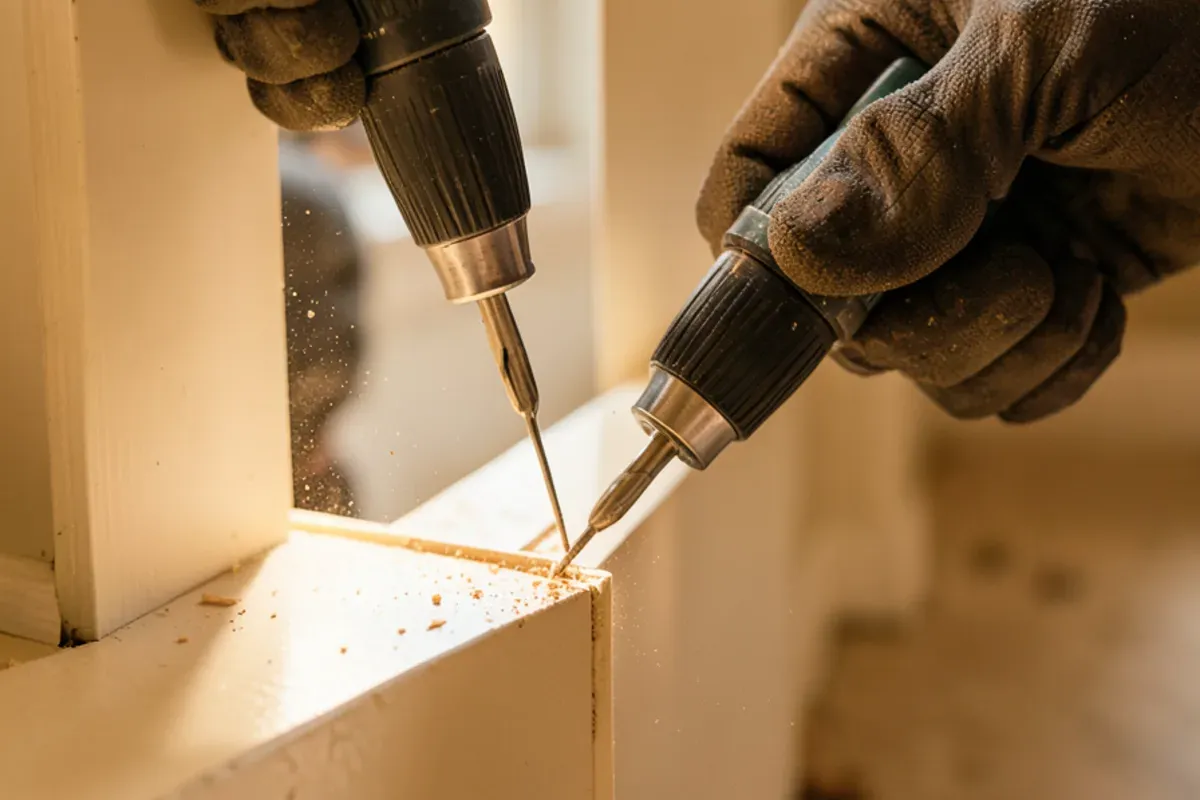
- Localized treatment of accessible galleries
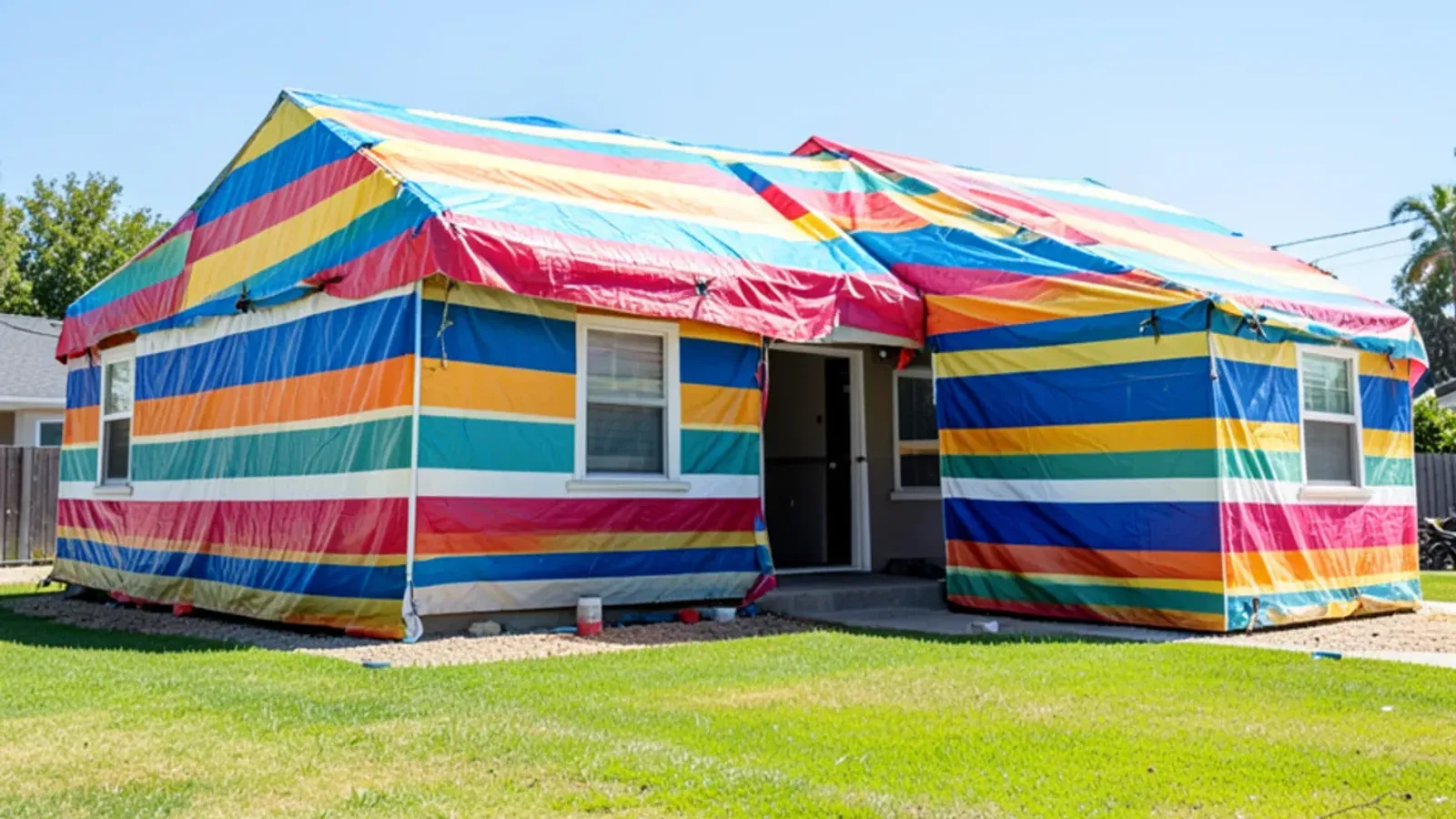
- Tent fumigation when the infestation is widespread
- Prep and re-entry guidance for fumigation
How we handle it, step by step
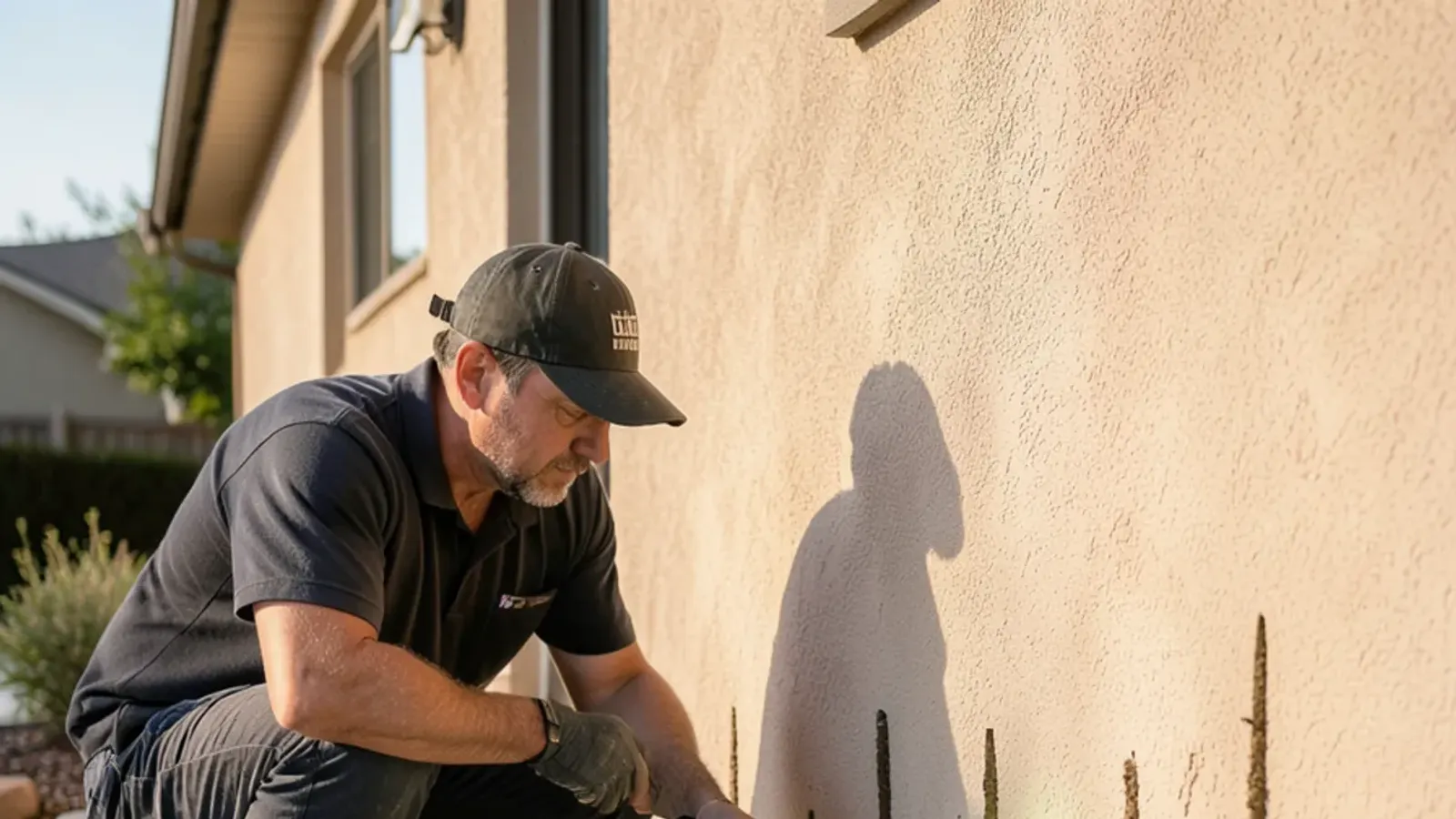
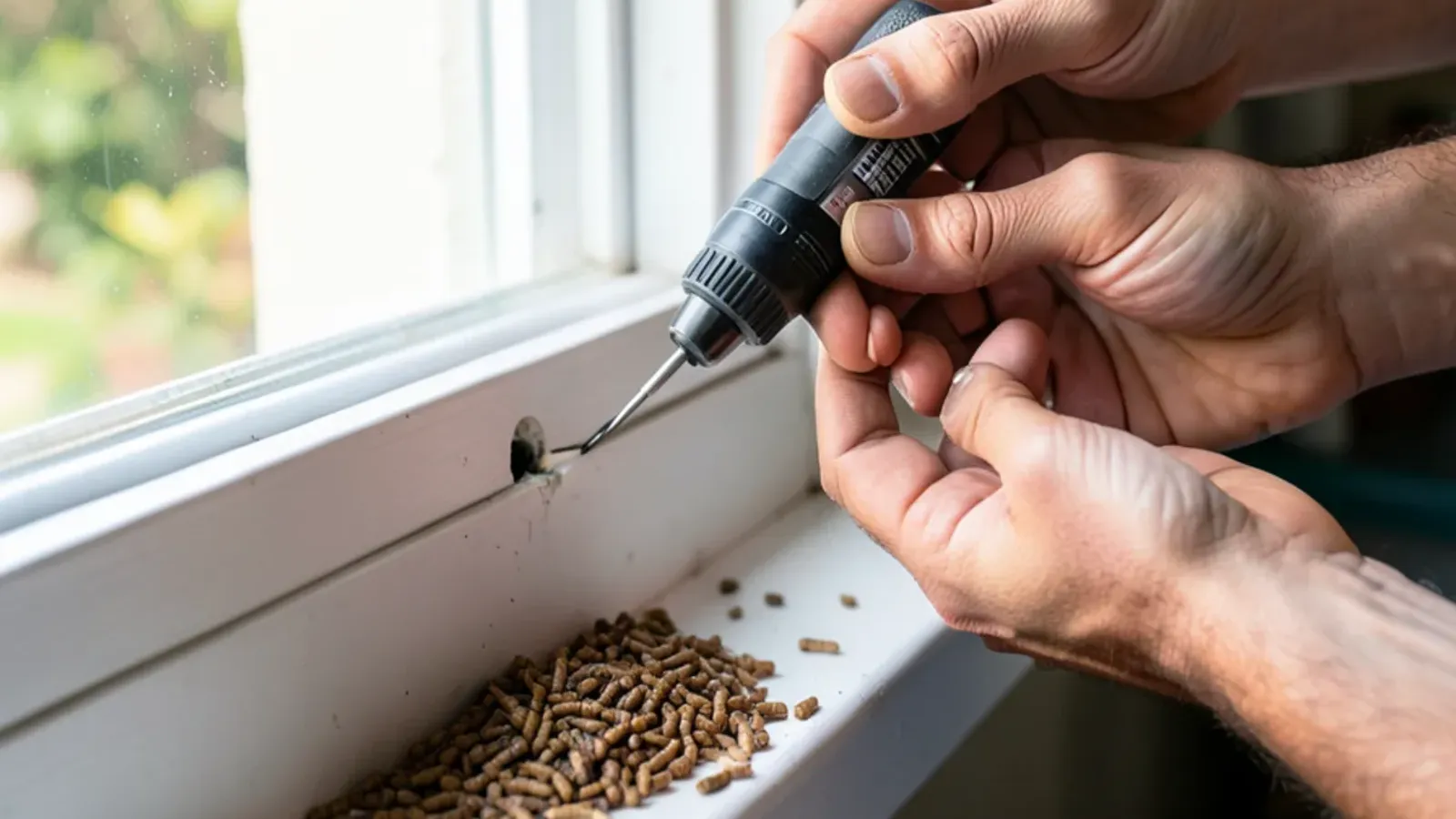
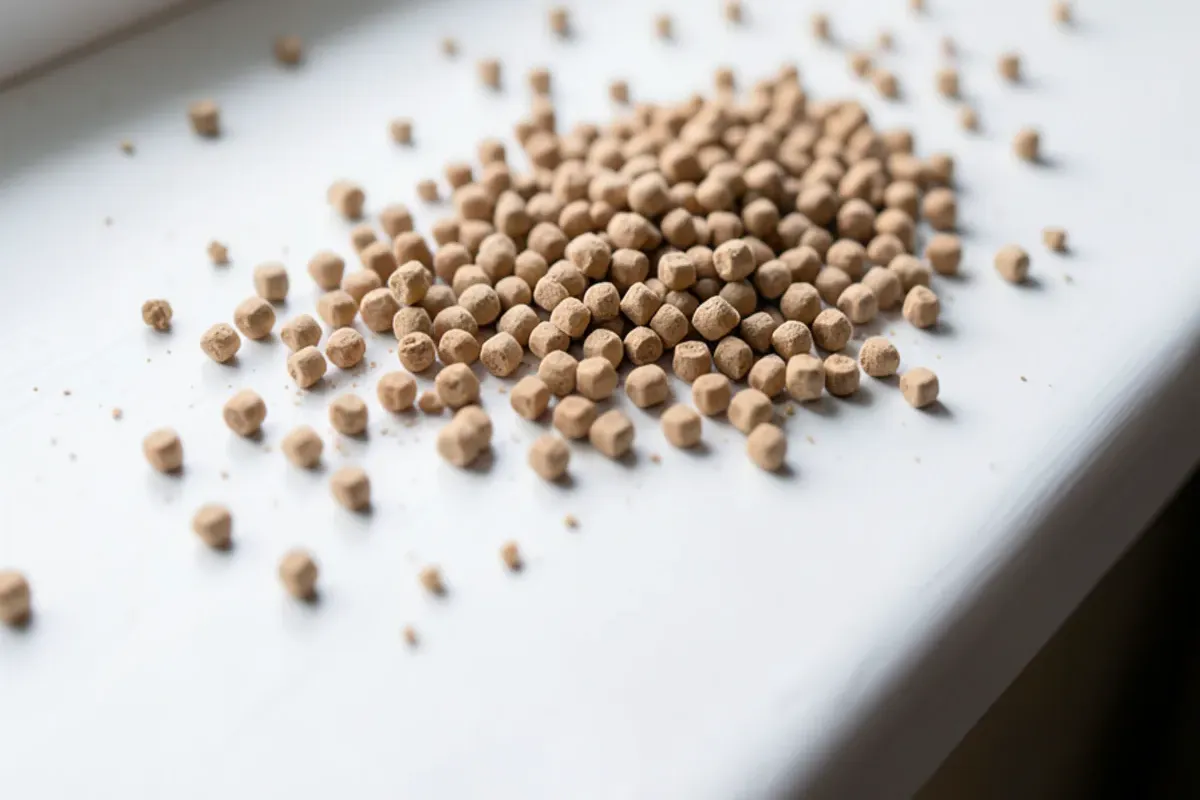
- Confirm. We confirm drywood termites from the pellet-like frass below baseboards and hollow-sounding wood, and map how far they have spread.
- Match the method. We recommend localized treatment for a confined, accessible infestation, or tent fumigation when drywood termites are through the structure.
- Treat. We carry out the chosen treatment and, for fumigation, provide prep and re-entry instructions in writing.
- Advise. We explain the trade-offs so you can compare written quotes with confidence.
Talk to a licensed pro
Call for a free estimate — we inspect, explain the finding and quote in writing before any treatment.
- Licensed — SPCB #5209
- 4.8★ on Google (20)
- Serving since 2007
- Free Estimates
What affects the price
- Localized treatment versus whole-house fumigation ($2,200–$5,500 statewide)
- Square footage and construction type
- Extent and accessibility of the galleries
Why choose Budget Pest Control for drywood termite treatment
- Honest about when fumigation is truly needed
- SPCB registration #5209 (Fumigation & Pest Control) — verify at pestboard.ca.gov
- Clear written scope and re-entry details
- Local since 2007
Drywood Termite Treatment in San Jose & the South Bay
Drywood termites favor the exposed wood of San Jose’s pre-1960 homes — attics, eaves, window frames and trim — and the first sign is often little piles of pellet-like frass on a sill. Because they live entirely in the wood, the choice between spot treatment and tenting depends on how far the galleries run.
What causes drywood termites in San Jose homes
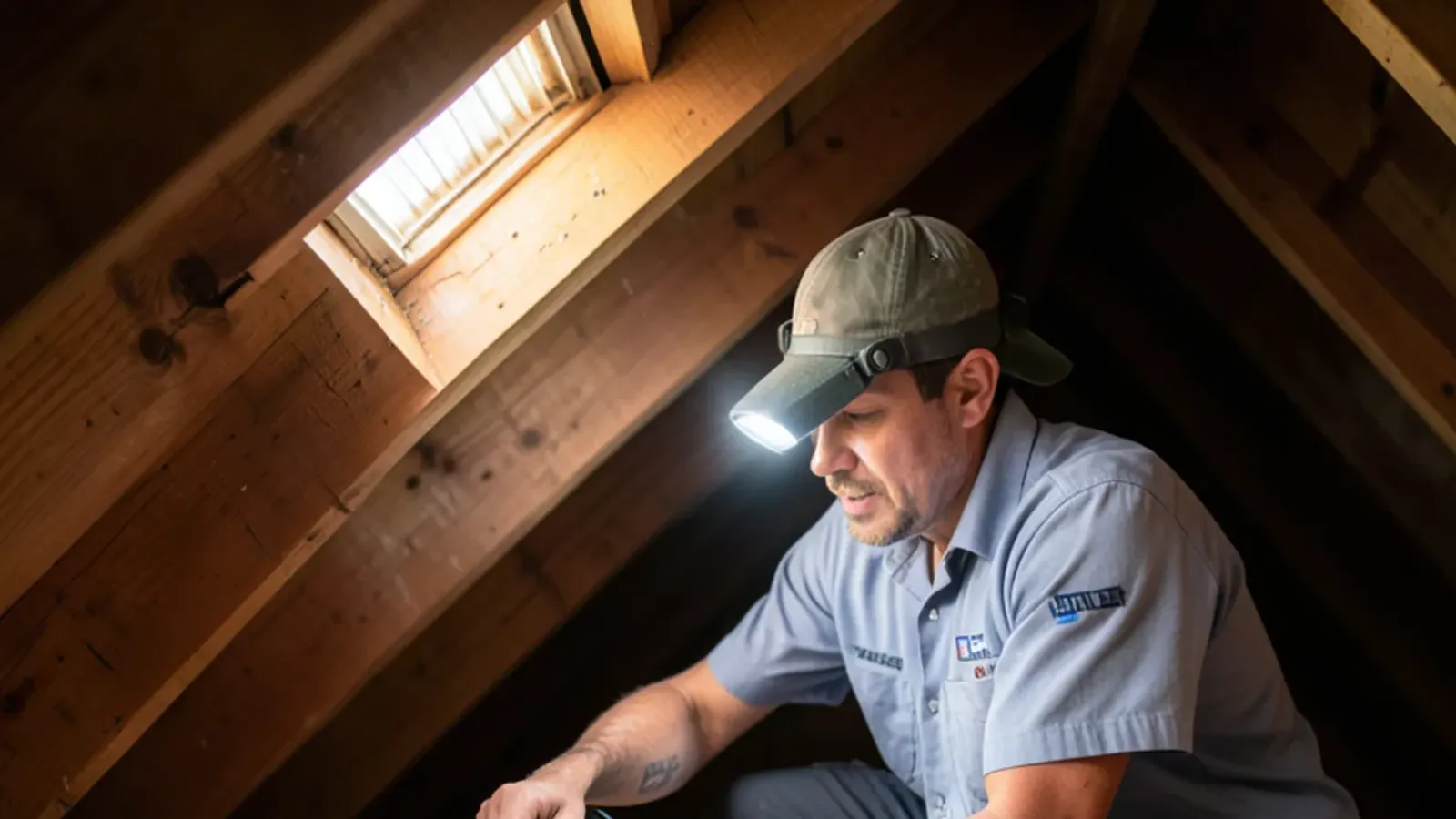
Drywood termites do not need soil — they live entirely inside the wood they eat, which is why they turn up in attics, eaves and trim rather than at the foundation. Older San Jose homes with exposed, unpainted or weathered wood give swarmers an easy place to bore in and start a colony. Once inside, they stay hidden for years, and the first clue is usually the frass they push out onto a sill or floor.
- Pre-1960 construction with original attic rafters, eaves and window trim
- Bare or weathered wood where swarmers can bore in directly
- Small round kick-out holes in trim, siding or baseboards
- Pellet-like frass the color of the wood piling up on sills and floors
- Hollow-sounding or blistered wood that gives under a knuckle
- Discarded wings near windows after a warm-weather swarm
What drywood termite treatment costs in San Jose
The main cost fork is localized treatment versus whole-house fumigation. A confined infestation in reachable attic or trim wood can be spot-treated for far less than tenting. When drywood termites have spread through the structure, fumigation is the honest call — and on statewide estimates whole-house tent fumigation runs about $2,200–$5,500, driven by square footage, construction type and setup. Spot treatment is priced by the number and reach of the galleries. We inspect before quoting either, because fumigating a spot problem or spot-treating a whole-house problem both waste money. Repairing or replacing wood damaged before the termites were caught is a separate carpentry cost we flag in the inspection but do not bundle into the treatment price.
The Branch 3 rules that govern drywood work
Drywood termite work falls under the Structural Pest Control Board’s Branch 3, and fumigation specifically requires the Fumigation & Pest Control category. Budget Pest Control holds SPCB registration #5209 — verify at pestboard.ca.gov — which covers both the localized treatment and the tenting, so you are not handed off to a second company for the bigger job. If the treatment is tied to a WDO report, the same Branch 3 framework governs the Section 1 finding and the clearance after the work is done. Swarmers emerge in warm, dry weather and can start a new colony in any bare wood nearby, which is why we also check sheds, fences and detached garages while we are on site.