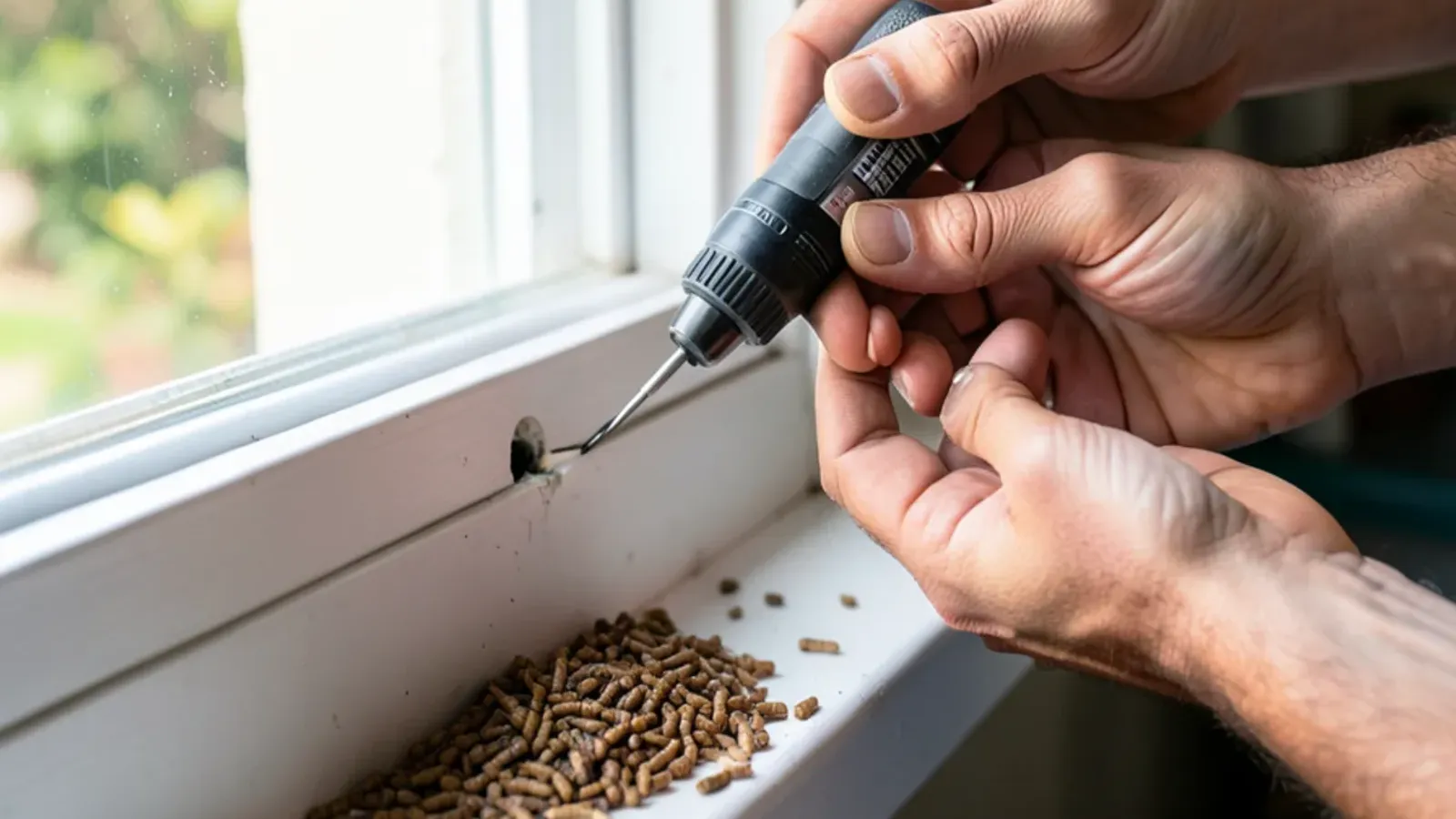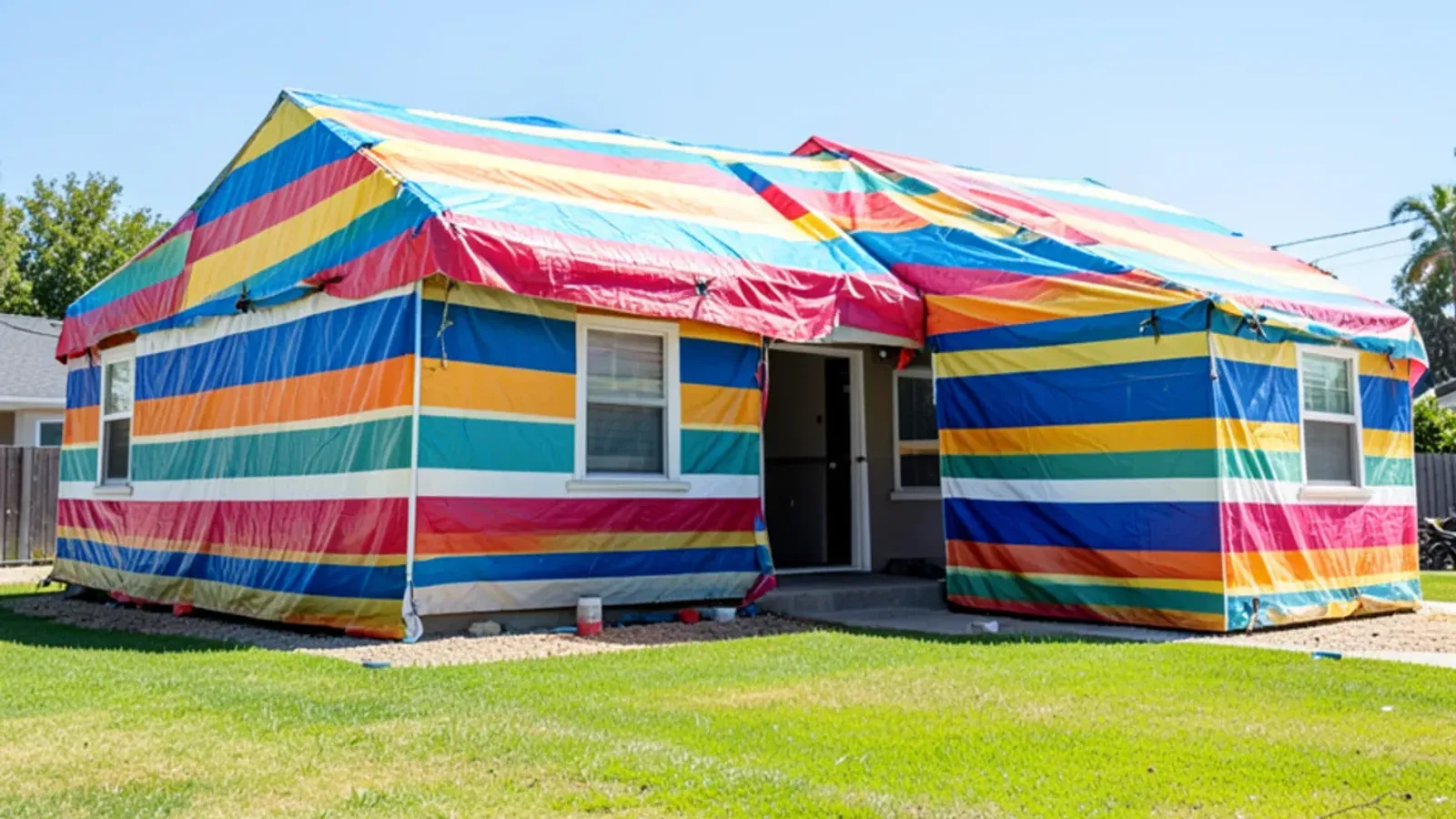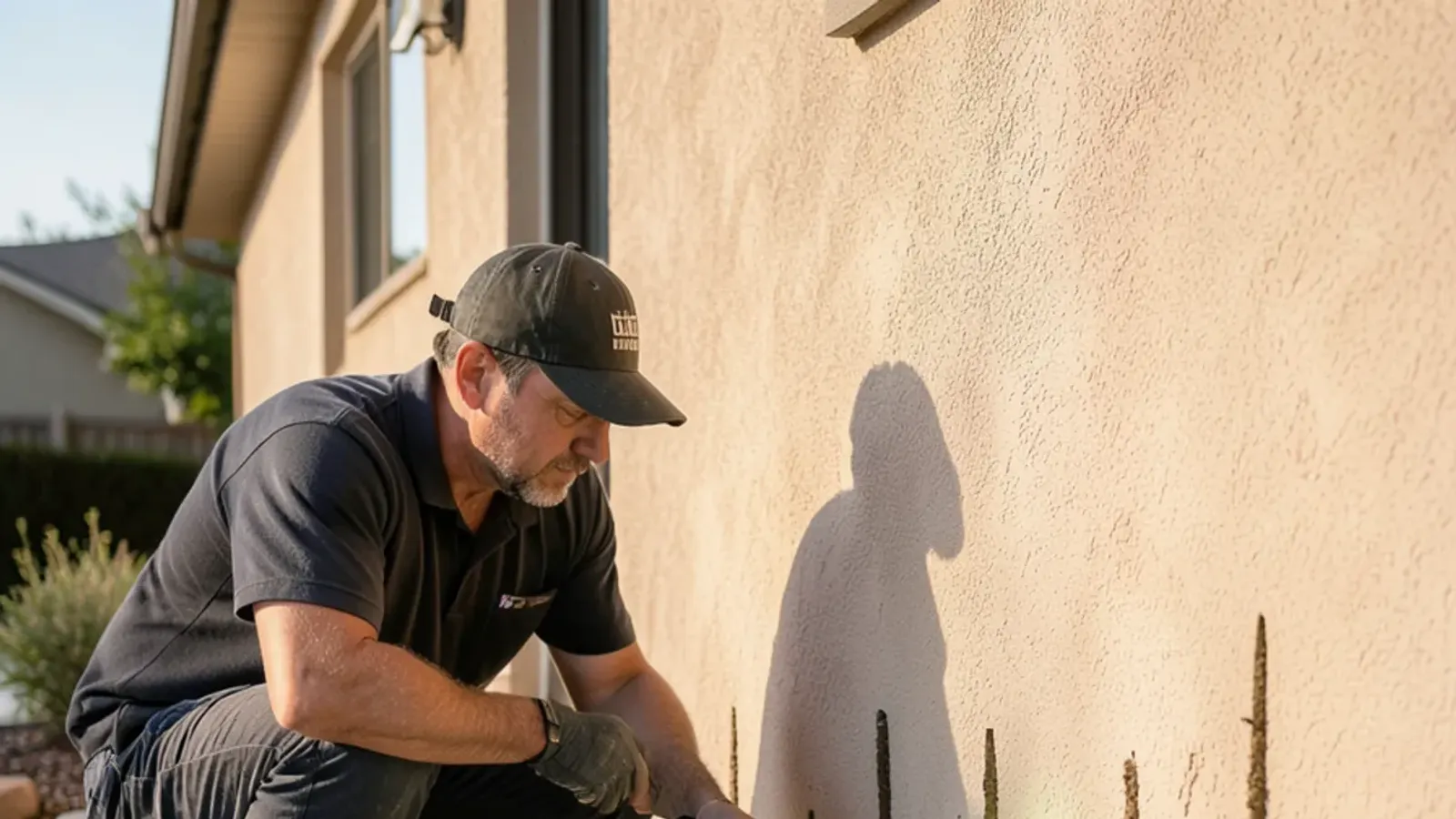
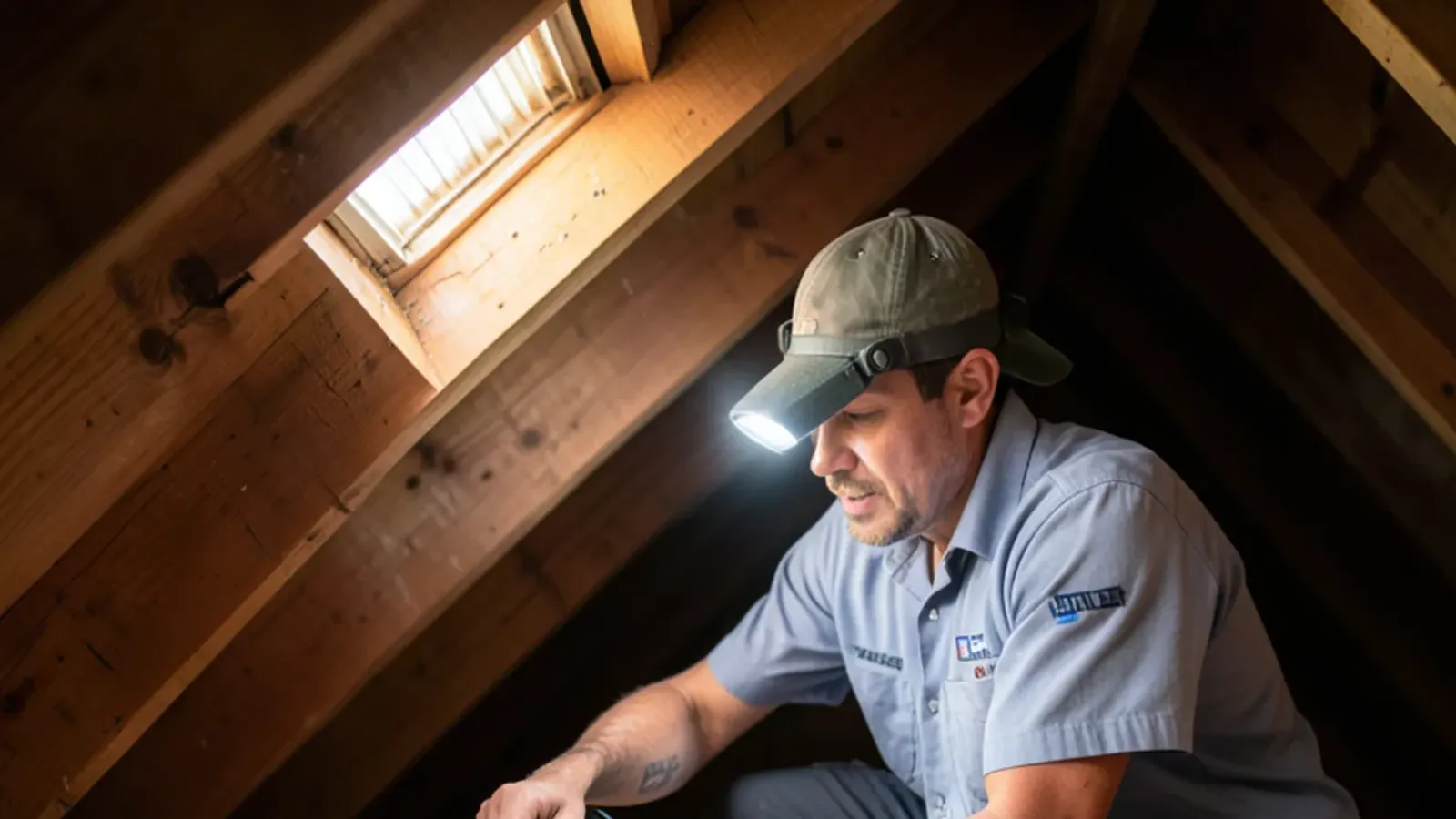
Localized termite treatment in San Jose is the no-tent option: when a drywood termite infestation is confined to accessible wood, it can be spot-treated without fumigating the whole house. Budget Pest Control inspects to confirm the infestation really is contained, then treats the galleries directly — but we will tell you honestly when the spread calls for fumigation instead.
What a localized termite treatment job includes
- An inspection to confirm the infestation is confined and accessible
- Direct treatment of the accessible galleries
- Borate or targeted wood treatment where appropriate
- A clear statement when fumigation is the better choice
- Follow-up to confirm the spot treatment held
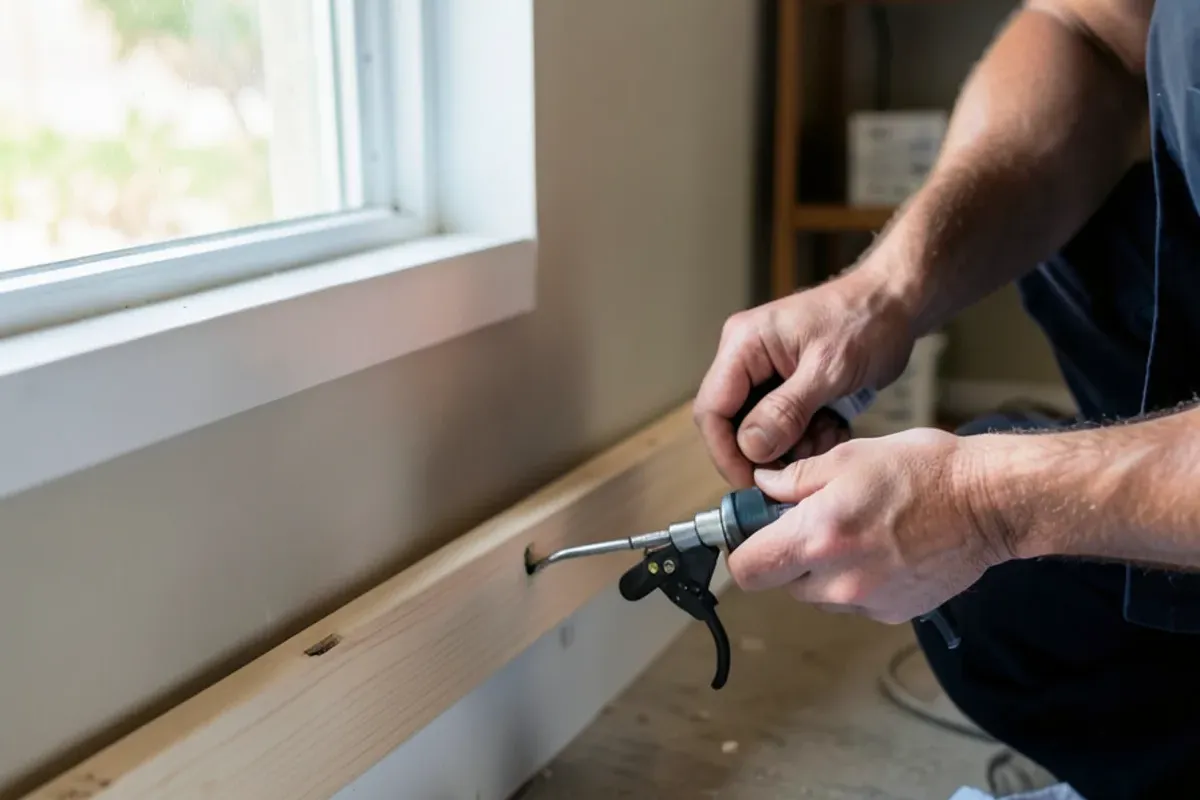
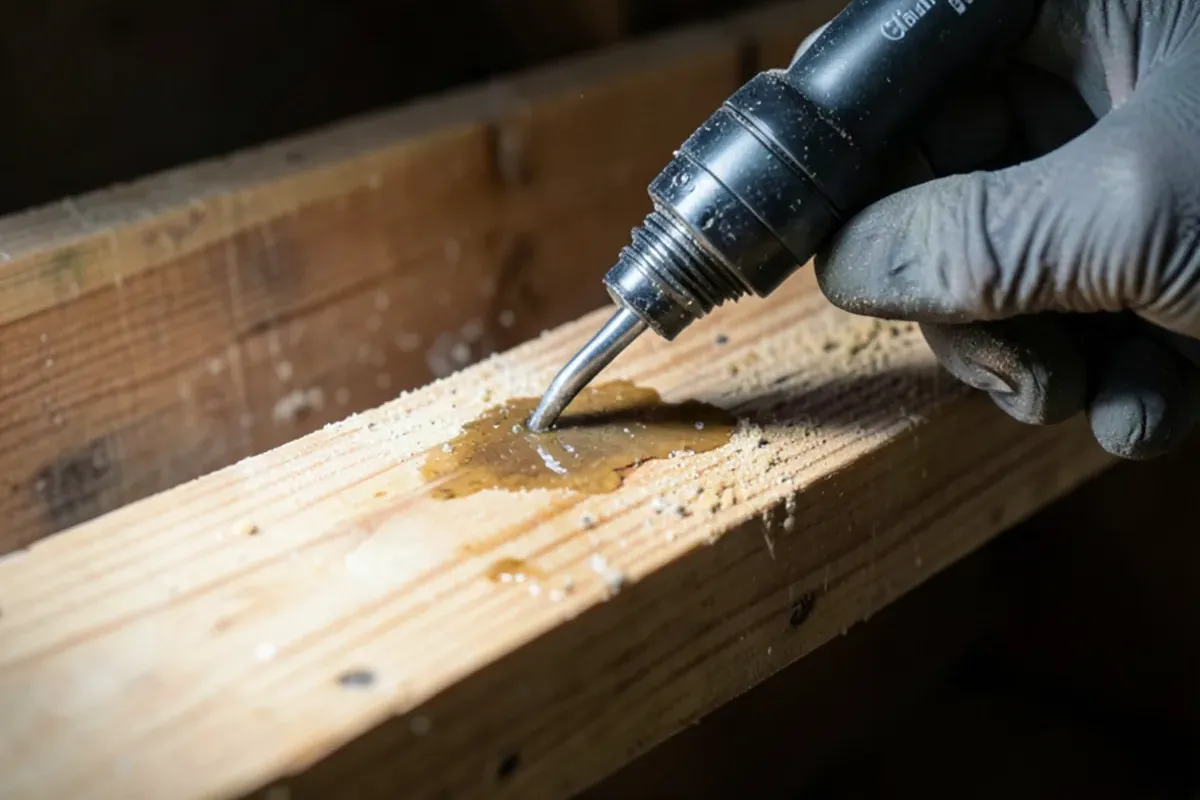
How we handle it, step by step
- Confirm it is confined. We inspect to verify the drywood infestation is limited and accessible, because localized treatment only works when the galleries are reachable.
- Treat the galleries. We treat the accessible galleries directly, with borate or targeted products as the wood and situation call for.
- Be honest about spread. If the infestation is through the structure, we say so — spot-treating a whole-house problem leaves termites behind.
- Follow up. We check back to confirm the treated area is clear and no missed galleries are active.
Talk to a licensed pro
Call for a free estimate — we inspect, explain the finding and quote in writing before any treatment.
- Licensed — SPCB #5209
- 4.8★ on Google (20)
- Serving since 2007
- Free Estimates
What affects the price
- Number and accessibility of infested areas
- Whether borate or other targeted products are used
- Whether follow-up visits are included
Why choose Budget Pest Control for localized termite treatment
- A genuine no-tent option when it truly fits
- We will not sell you a spot treatment that should be a tent
- SPCB registration #5209 — verify at pestboard.ca.gov
- Clear inspection before any recommendation
Localized Termite Treatment in San Jose & the South Bay
Plenty of San Jose homeowners want to avoid tenting, and for a drywood infestation caught early in accessible attic or trim wood, localized treatment can do the job. The key is an honest inspection: localized treatment only works when the galleries are confined and reachable.
Signs localized termite treatment is the right fit
Localized — no-tent — treatment works when a drywood infestation is confined to wood you can actually reach. It is the right call for a small, early, accessible problem, and the wrong call for termites spread through hidden framing. A few signs point to a confined infestation that spot treatment can handle, but only an inspection confirms it, because what looks like one gallery can connect to several out of sight.
- Frass showing in just one or two spots — a single sill, one length of trim
- Kick-out holes limited to accessible attic wood, eaves or exposed beams
- A recently caught infestation before swarmers have spread it
- No evidence in distant rooms or behind finished walls
- Reachable galleries that take direct treatment, not buried framing
- A small detached structure or trim detail rather than the whole house
What localized termite treatment costs in San Jose
No-tent treatment is priced by the number of areas treated and how reachable they are, so it usually costs a fraction of whole-house fumigation — which runs about $2,200–$5,500 on statewide estimates. A single accessible gallery is a small job; several spots across the attic and trim cost more. Borate wood treatment, drill-and-inject work and any follow-up visits factor in too. The one honest limit on price is reach: if the inspection finds the infestation is wider than it looked, we quote fumigation instead rather than sell an incomplete spot job. Drilling and injecting into finished trim or stucco can mean minor patching afterward, and we tell you where that will be needed before the work starts so there are no surprises.
The Branch 3 judgment behind a no-tent call
Whether spot treatment or fumigation is appropriate is a Branch 3 licensed judgment under the Structural Pest Control Board, not a sales preference. Budget Pest Control holds SPCB registration #5209 — verify at pestboard.ca.gov — and because that registration also covers fumigation, we have no reason to push one method over the other. The standard is simple: localized treatment is defensible only when the galleries are confined and accessible. If they are not, treating a spot leaves live termites in the wood you could not reach. We also note any moisture or ventilation problem feeding the wood, because drywood termites favor damp, weathered boards and fixing the condition lowers the odds a new colony starts where the old one was.