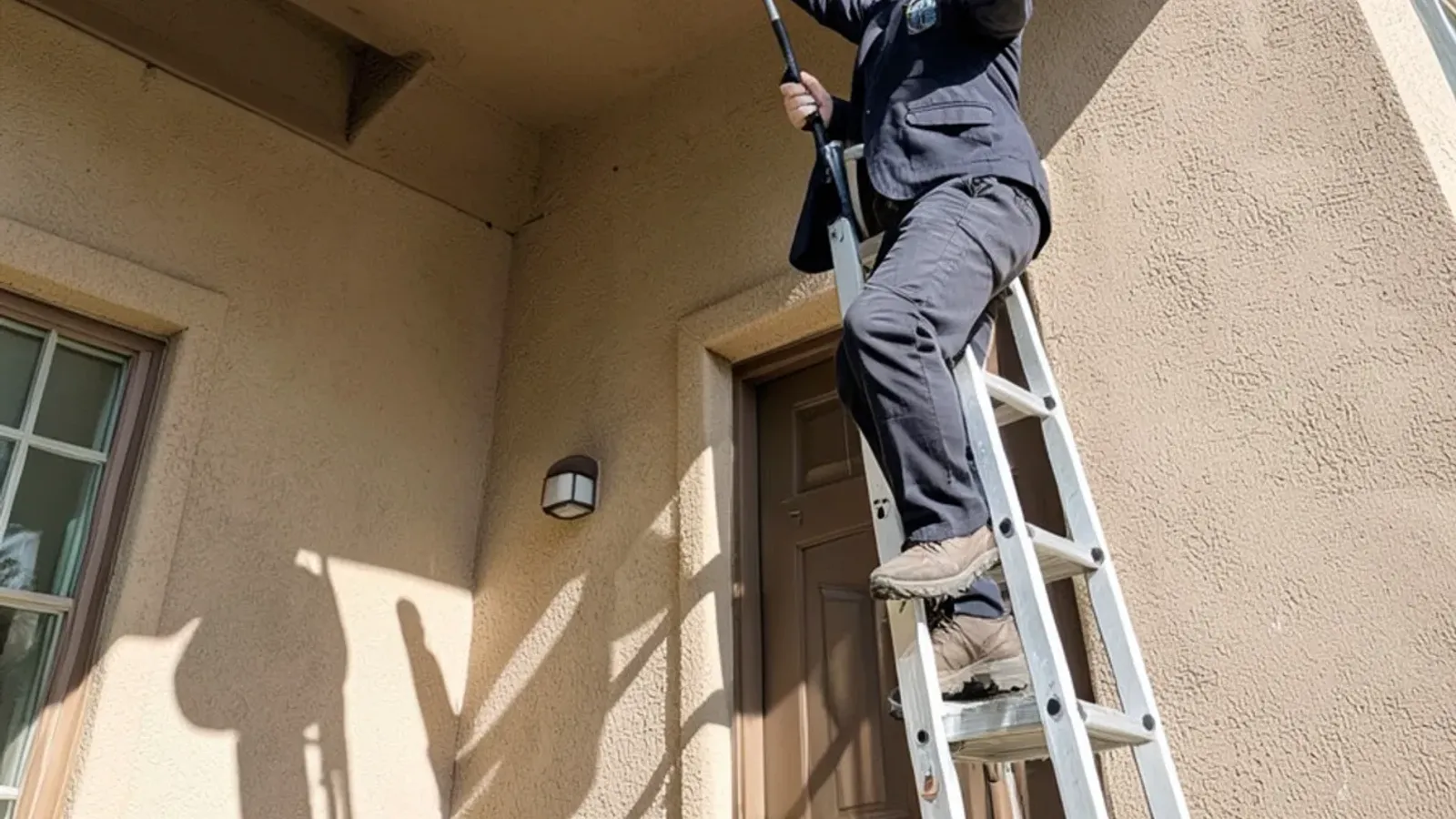
Bee and wasp control in San Jose means identifying the stinging insect first, because a paper wasp, a ground-nesting yellow jacket and a honey bee swarm each call for a different response. Budget Pest Control removes wasp and hornet nests safely and treats the colony at the source — not just the insects you can see.
What a bee & wasp control job includes
- Identification of the stinging insect — paper wasp, yellow jacket, hornet or bee
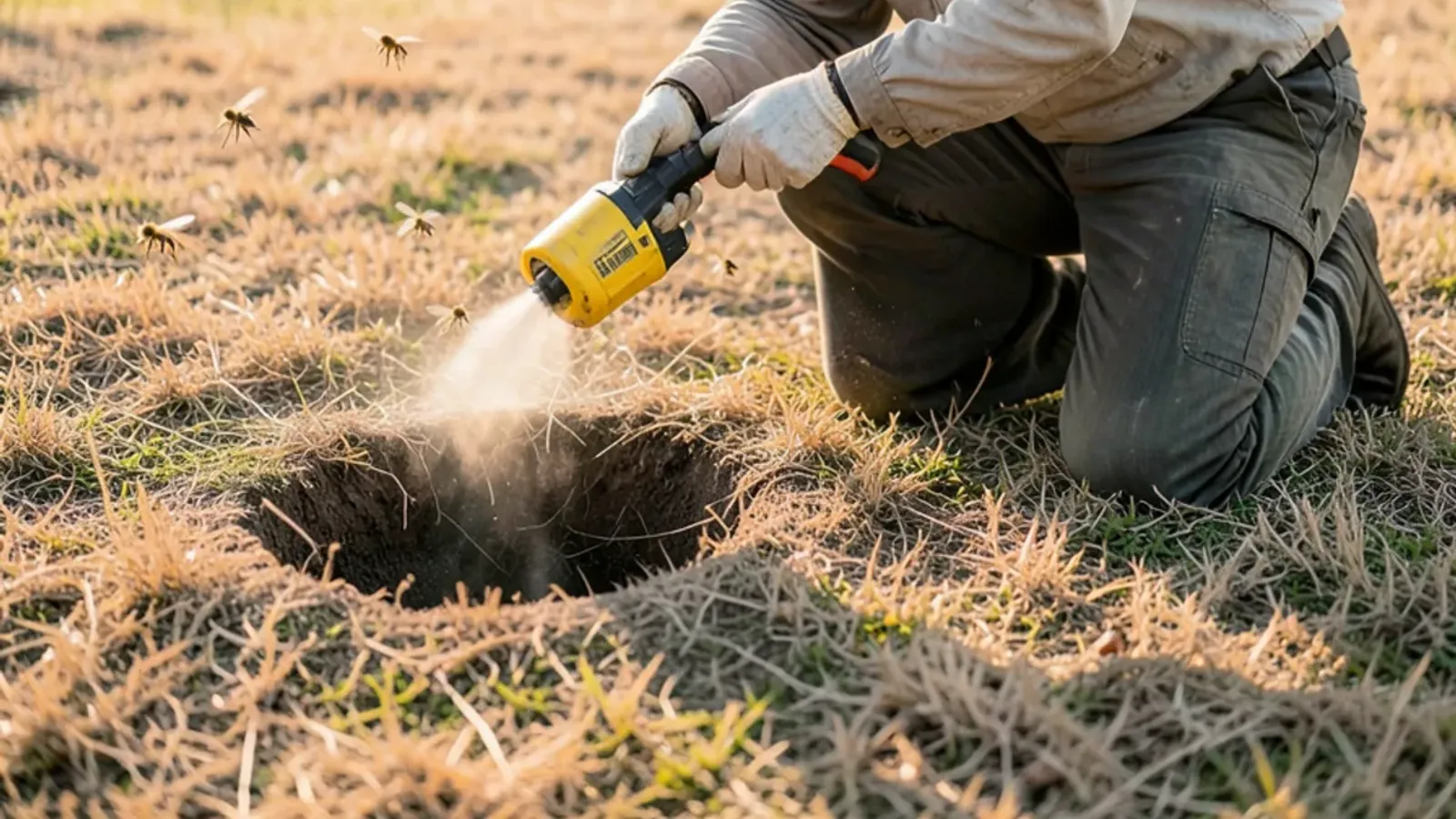
- Location of the nest, including ground nests and nests inside walls and eaves
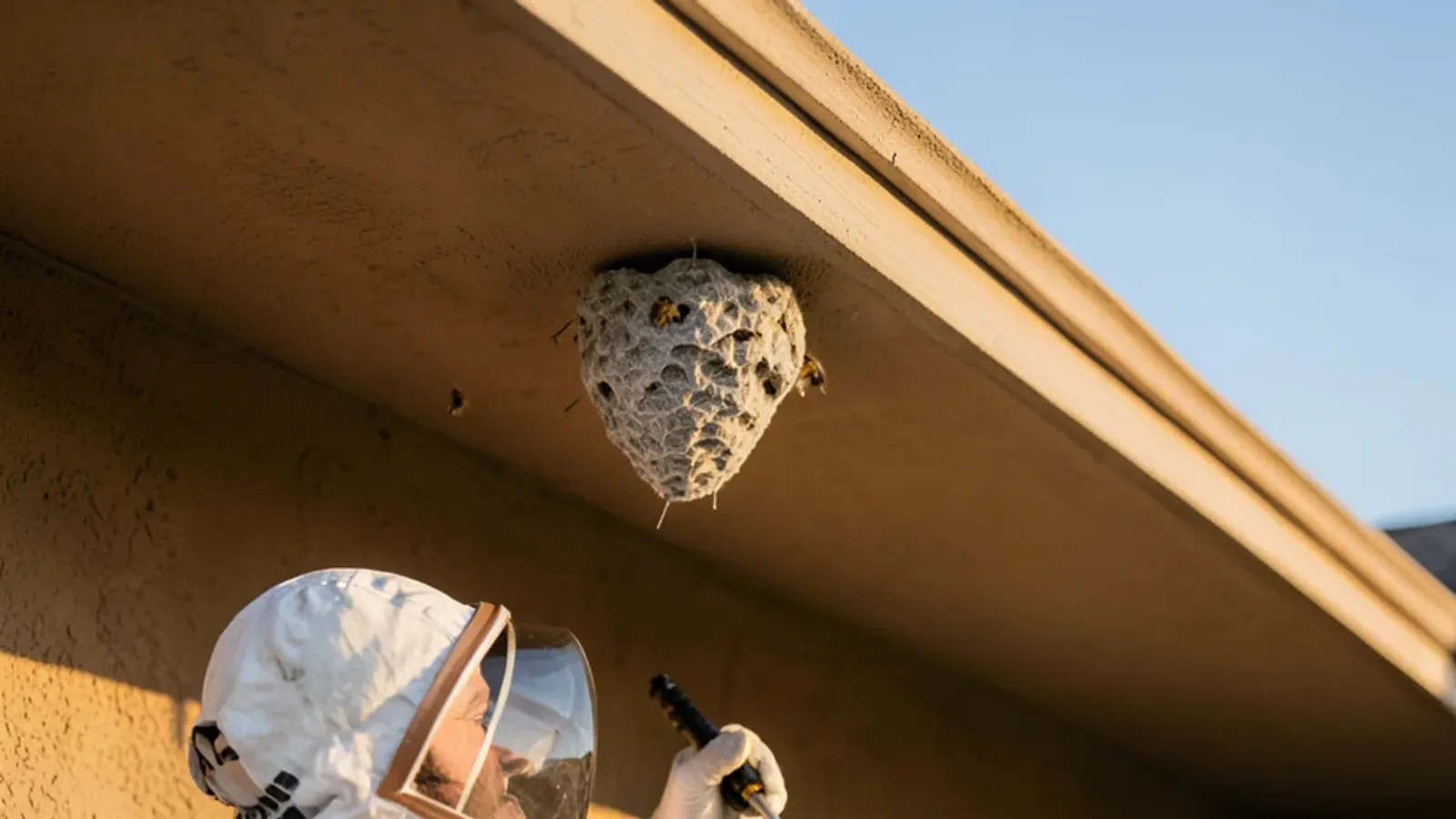
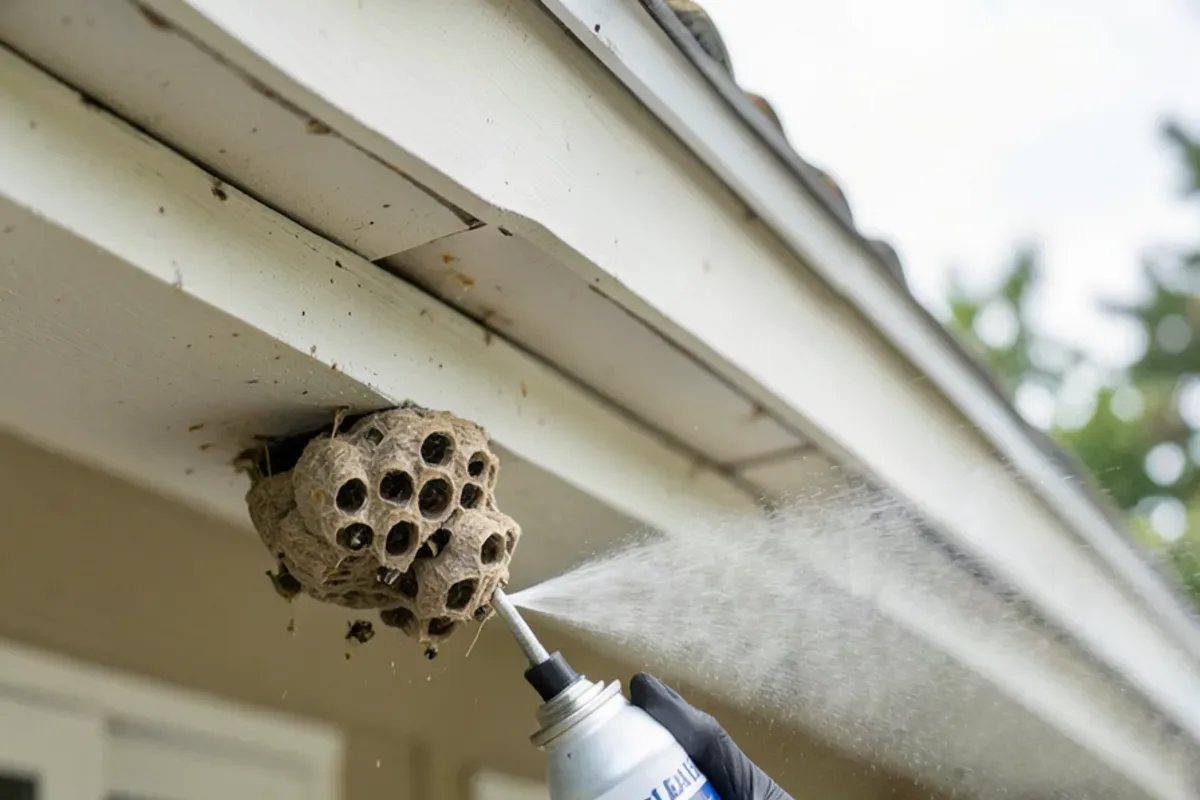
- Safe treatment and removal of wasp and hornet nests
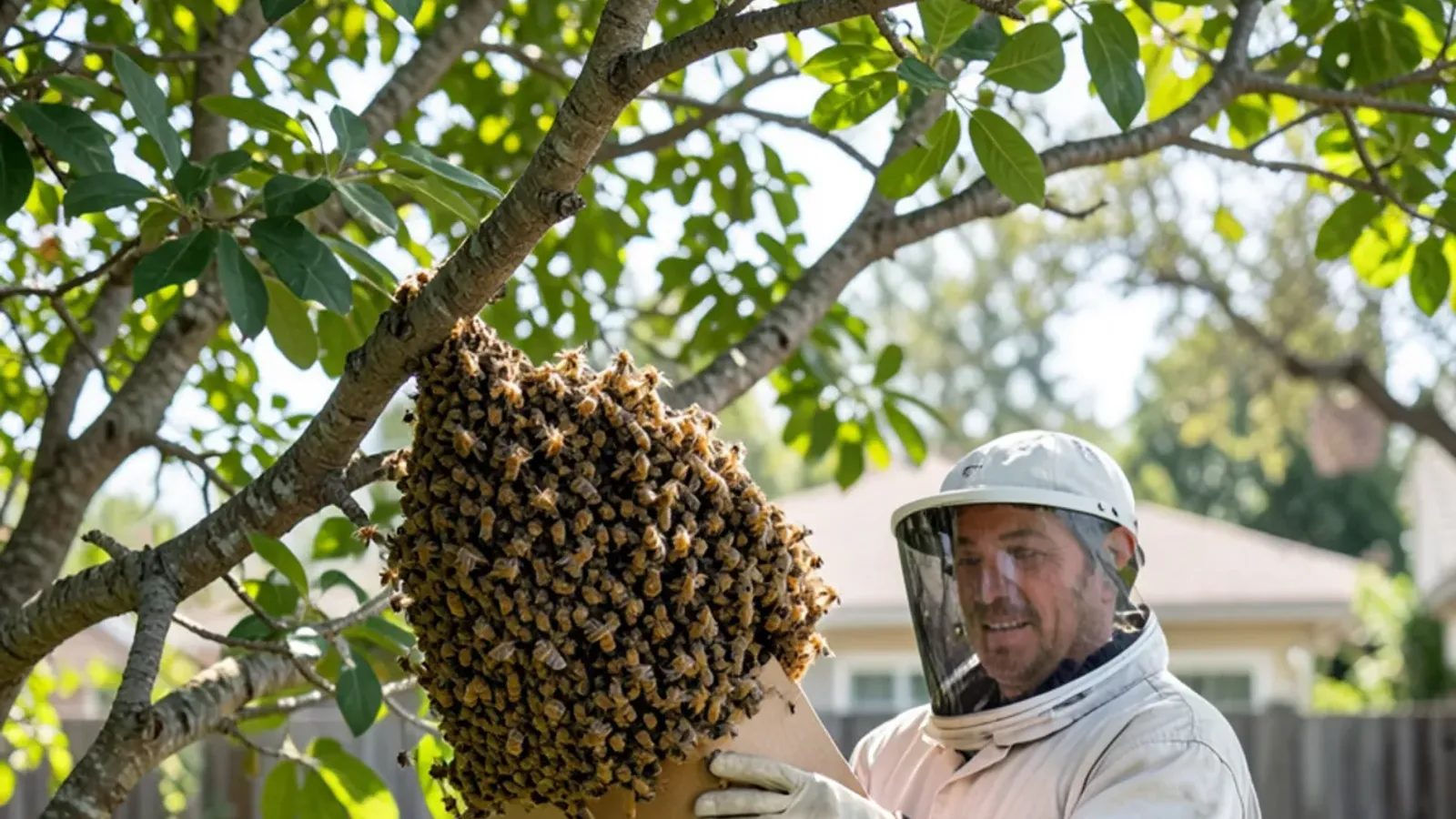
- Guidance on honey bees, which are better relocated than killed where possible
- Prevention advice for eaves, sheds, trash areas and ground burrows
How we handle it, step by step
- Identify. We confirm whether you have paper wasps, yellow jackets, hornets or honey bees, because the treatment and the risk differ for each.
- Find the nest. We locate the nest, whether it is under an eave, in a wall void or a ground burrow, and assess how aggressive the colony is.
- Treat the colony. We treat at the source so the whole colony is controlled, not just the foragers you see flying.
- Remove and prevent. We remove reachable nests and point out the eaves, sheds and ground spots where new nests tend to start so you can watch them.
Talk to a licensed pro
Call for a free estimate — we inspect, explain the finding and quote in writing before any treatment.
- Licensed — SPCB #5209
- 4.8★ on Google (20)
- Serving since 2007
- Free Estimates
What affects the price
- Type of stinging insect and how aggressive the colony is
- Nest location — accessible eave versus inside a wall void
- Number of nests
- Whether after-hours or emergency response is needed
Why choose Budget Pest Control for bee & wasp control
- Licensed SPCB operator (#11136, reg. #5209) — verify at pestboard.ca.gov
- We treat the colony at the source, not just the visible insects
- Same-day response for nests near doors, play areas and high-traffic spots
- Honest guidance on honey bees, which we steer toward relocation where we can
Bee & Wasp Control in San Jose & the South Bay
Yellow jacket colonies across Santa Clara County peak in late summer and fall, and hotter inland areas like Gilroy and Morgan Hill run a longer season. A nest tucked under an eave in spring becomes a hundreds-strong colony by August, which is why we treat early nests before they get dangerous.
What causes wasp and yellow jacket nests in San Jose yards
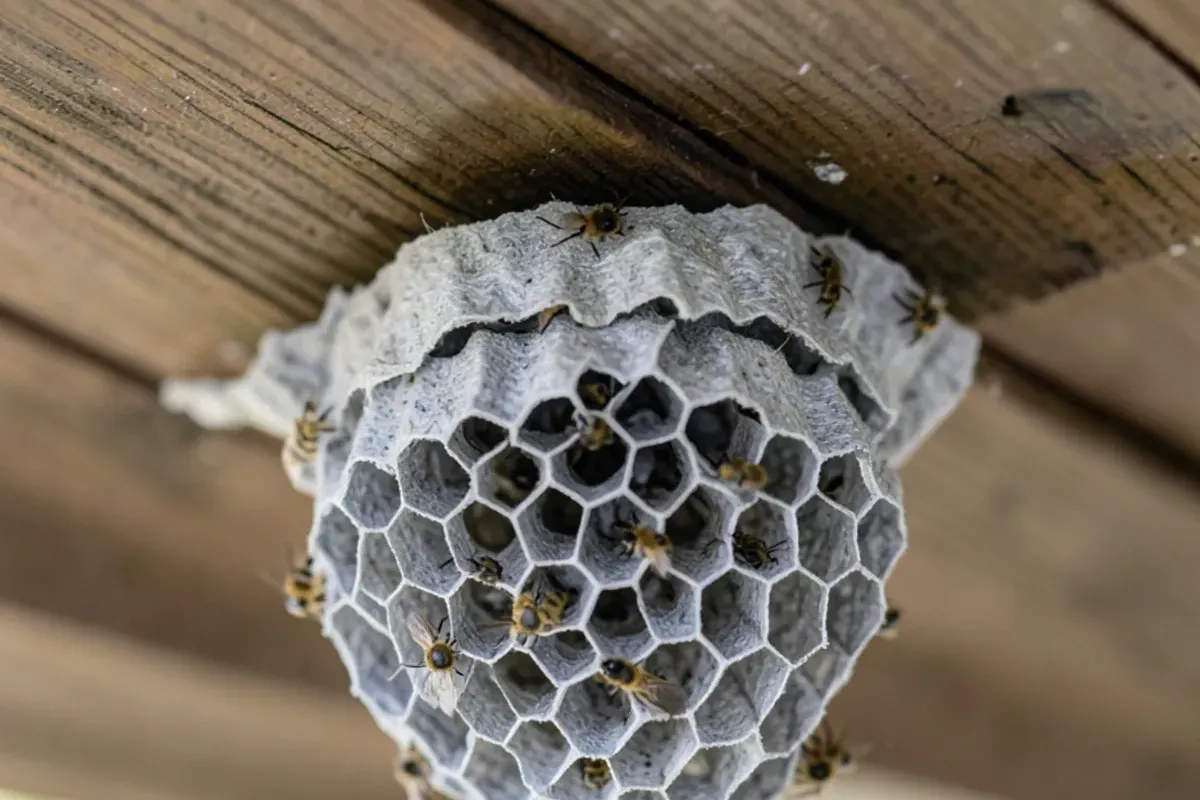
Stinging insects move in wherever there is shelter and a food source. Paper wasps want a dry, protected overhang — eaves, door frames, patio covers — to hang their open comb. Yellow jackets prefer a cavity: an abandoned rodent burrow, a wall void or a gap under decking. Both start building in spring, and an open soda can, a fallen plum or an uncovered trash bin keeps a colony fed straight through the hot South Bay summer.
- Protected eaves, door frames and patio covers for paper wasp comb
- Old rodent burrows and ground cavities that yellow jackets claim
- Wall voids and attic gaps reached through small exterior cracks
- Fallen fruit under backyard plum, apricot and fig trees
- Uncovered trash and recycling bins close to the house
- Pet food, hummingbird feeders and open drinks left on the patio
What bee and wasp control costs in San Jose
Price turns on the insect, the nest and how hard it is to reach. A single paper wasp nest on a reachable eave is a quick, low-cost job; a yellow jacket nest deep in a wall void or under a concrete slab takes more work to reach and more follow-up to confirm the colony is dead. Ground nests often need treatment after dark, when the foragers are home. Honey bees are a different situation again — pulling a colony out of a wall means opening the structure and removing comb, which is why relocation through a beekeeper is frequently the better route. Count of nests and any after-hours call move the number too, so we look before we quote.
| Insect | Looks like | Nests in | What we do |
|---|---|---|---|
| Paper wasp | Slim body, long dangling legs | Open umbrella comb under eaves | Treat and remove the nest |
| Yellow jacket | Smooth, fast, bright bands | Ground burrows and wall voids | Treat the cavity at the source |
| Honey bee | Fuzzy, amber, flower-bound | Walls, trees, hive boxes | Steer toward relocation |
The San José approach to treating nests safely
The City of San José’s June 2023 IPM policy favors pest-specific treatment over broad-spectrum spraying, and stinging insects fit that approach well — the target is the colony at the nest, not a cloud of product across the yard. Treating at the source reaches the queen and brood so the nest does not simply rebuild a week later. Honey bees are protected in practice by their value as pollinators; where it is safe we route them to a beekeeper rather than kill them. Budget Pest Control is a licensed SPCB operator (registration #5209, Operator License #11136, verify at pestboard.ca.gov), so the work meets California standards.