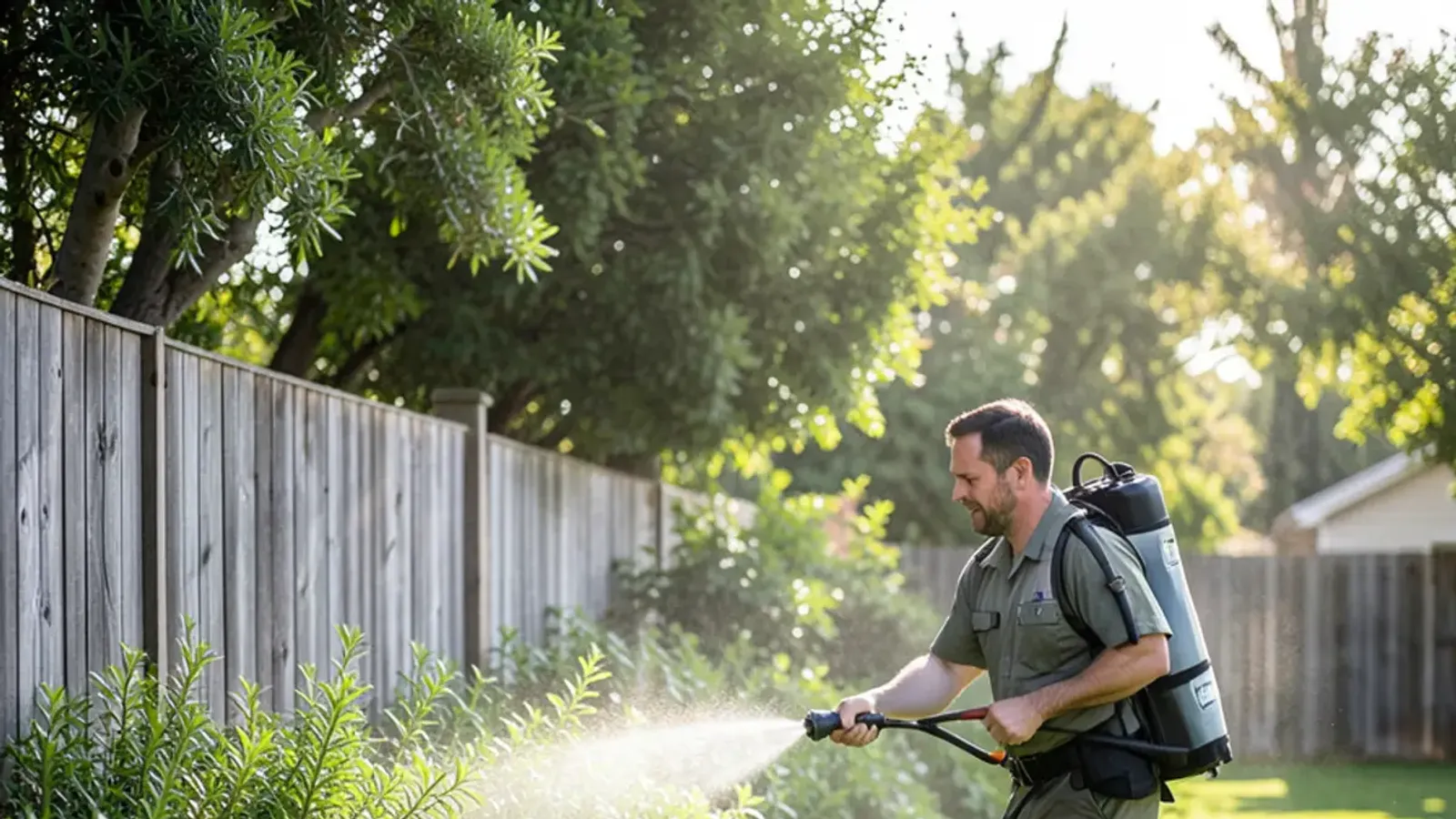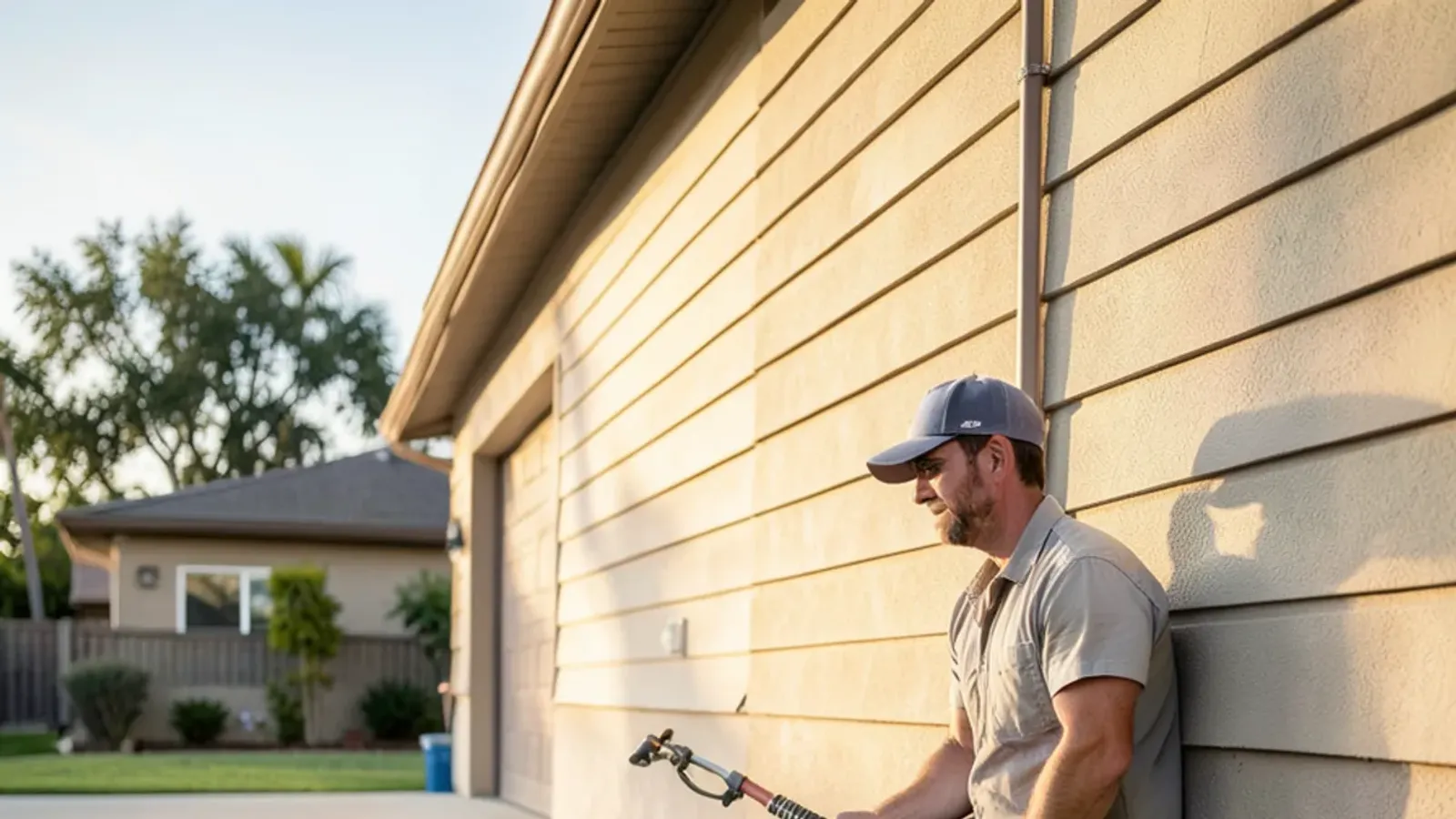
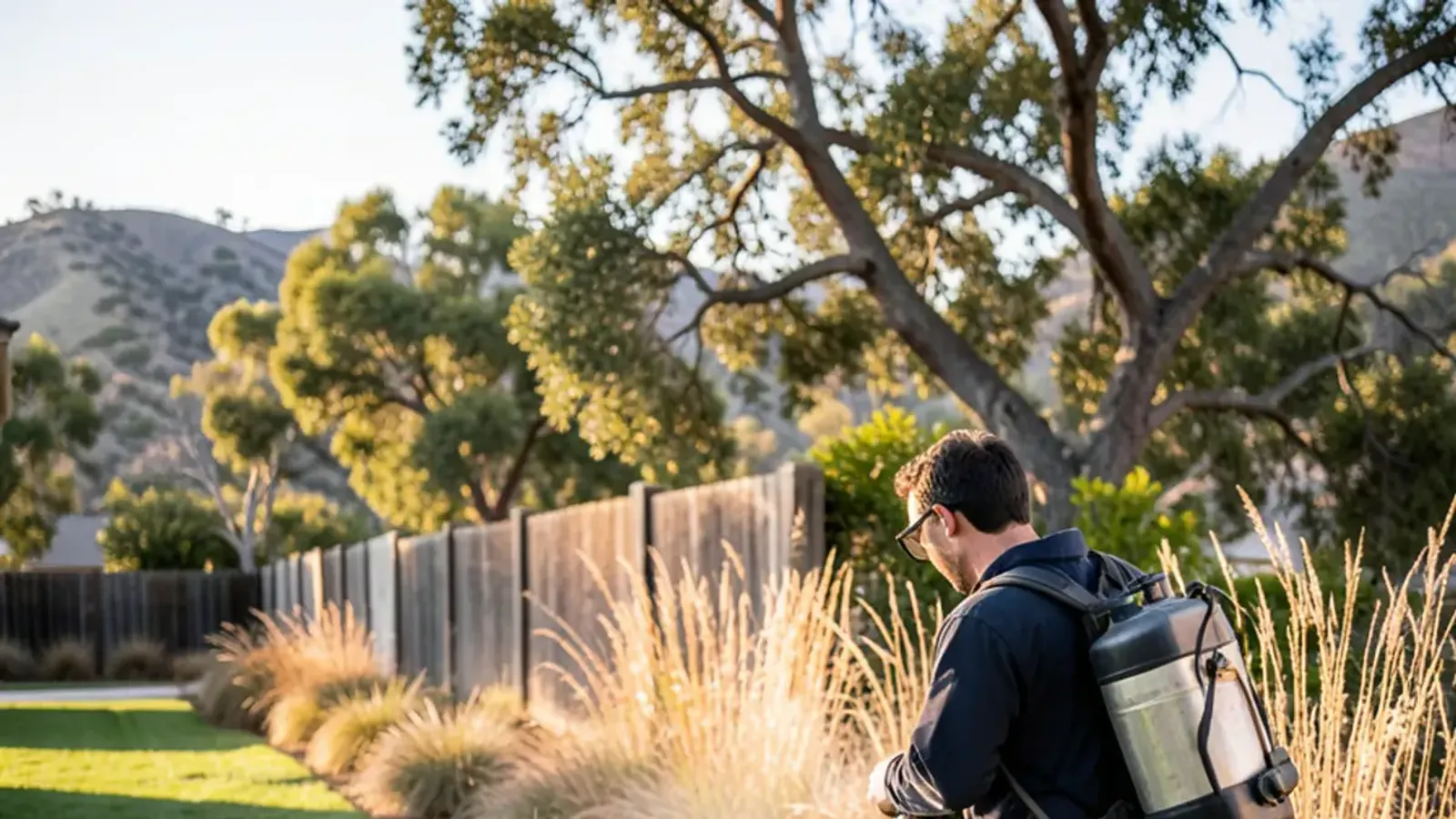
Tick control in San Jose focuses on the yard edges — ticks wait on tall grass and brush along trails, fence lines and wooded borders, not in open mowed lawn. Budget Pest Control treats those transition zones and helps you make the yard less tick-friendly, which matters most for homes backing onto open space.
What a tick control job includes
- Treatment of shaded, brushy yard edges and trail borders
- Attention to fence lines, leaf litter and tall grass where ticks quest
- Guidance on landscaping that reduces tick habitat
- Advice for pet owners on yard-to-dog tick pressure
- Seasonal programs for high-risk properties

How we handle it, step by step
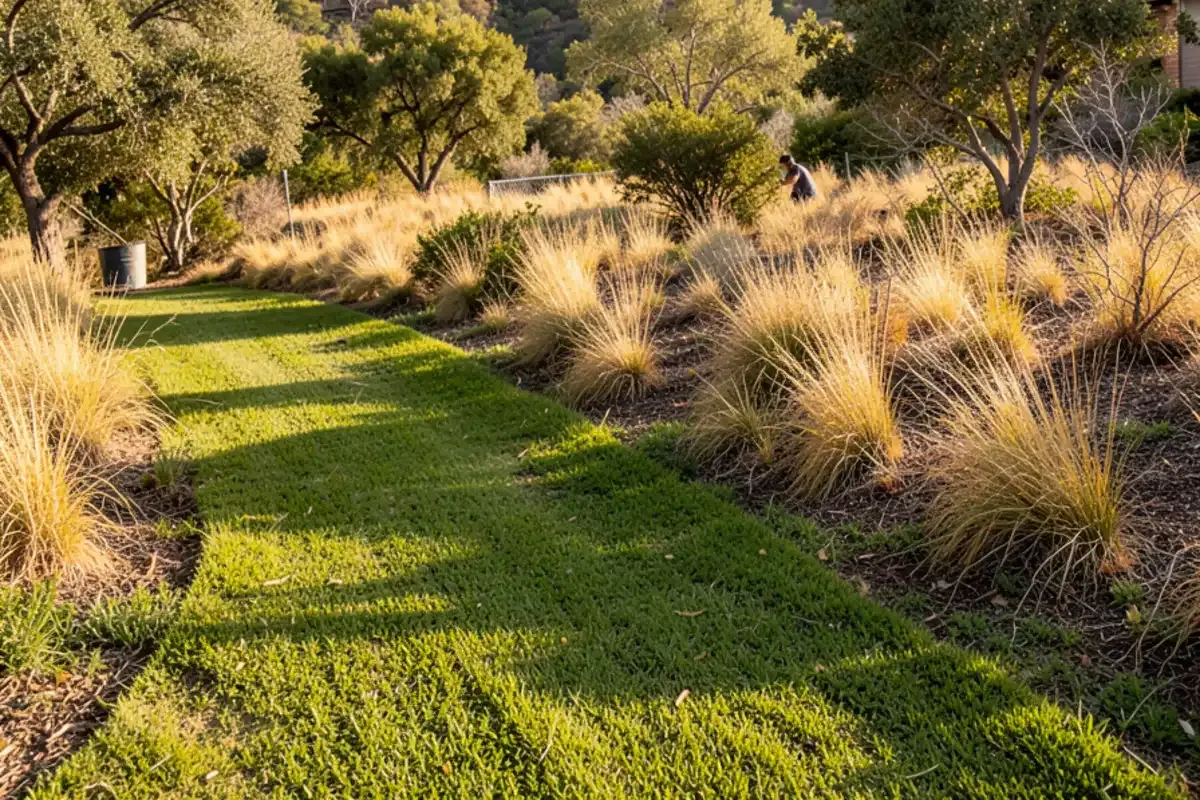
- Map the risk. We identify the brushy, shaded edges and transition zones where ticks wait — not the open lawn, where they rarely survive.
- Treat the edges. We treat those border areas, leaf litter and tall grass where ticks quest for a host.
- Reduce habitat. We advise on clearing leaf litter, cutting back brush and creating a barrier between lawn and wild edge.
- Maintain. For properties against open space, a seasonal program keeps pressure down through the active months.
Talk to a licensed pro
Call for a free estimate — we inspect, explain the finding and quote in writing before any treatment.
- Licensed — SPCB #5209
- 4.8★ on Google (20)
- Serving since 2007
- Free Estimates
What affects the price
- Yard size and the length of brushy, wooded edge
- Proximity to open space and trails
- One-time versus seasonal treatment
Why choose Budget Pest Control for tick control
- We treat the edge zones where ticks actually are
- Practical habitat advice for pet owners and families
- Licensed SPCB operator (#11136) — verify at pestboard.ca.gov
- Local knowledge of foothill and open-space properties
Tick Control in San Jose & the South Bay
The western black-legged tick lives in the grassy, wooded edges of Santa Clara County’s foothills and open-space preserves, and homes in the East Foothills, Almaden and the Santa Cruz Mountains fringe see the most pressure. Ticks concentrate where lawn meets wild land, which is exactly where we focus.
What causes ticks in San Jose yards
Ticks do not fly or jump — they quest, climbing to the tip of tall grass or a low branch and waiting for a host to brush past. That behavior ties them to specific places: the shaded, humid, brushy edges where lawn meets wild land, leaf litter under trees, fence lines and trail borders. Open, mowed, sunny lawn dries them out, so they rarely survive there. Homes against the foothills and open-space preserves see the most pressure, carried in by deer, rodents and the family dog returning from a walk.
- Ticks found on pets or pant legs after time in the yard’s edges
- Tall grass, brush and leaf litter along a wooded or fence-line border
- A property backing onto open space, a creek or a trail
- Deer, rabbits or rodents moving through the yard’s wild edge
- Ticks concentrated where lawn transitions to brush, not in open turf
- Shaded, humid ground cover that stays damp through the day
What tick control costs in San Jose
Tick pricing follows the size of the yard, the length of brushy and wooded edge to treat, how close the property sits to open space, and whether you want a one-time treatment or a seasonal program. A small lot with a short border is a smaller job than acreage ringed with brush and leaf litter against a preserve. On statewide estimates a one-time general pest visit runs about $125–$350. Properties on the open-space fringe usually do best on a seasonal plan that keeps the edge zones treated through the active questing months rather than reacting after ticks turn up on a pet. Fall and spring are the peak questing windows here, so a treatment timed to those stretches does the most good.
The western black-legged tick and local guidance
Tick work is Branch 2 general pest work under California’s Structural Pest Control Board, and Budget Pest Control holds SPCB registration #5209 under operator #11136 — verify at pestboard.ca.gov. The western black-legged tick, which can carry Lyme disease, lives in the grassy, wooded edges of Santa Clara County’s foothills, and the county’s vector guidance emphasizes habitat awareness and personal precautions. Our licensed work targets the transition zones where ticks actually quest and pairs treatment with habitat reduction, because a drier, cleared edge is a yard ticks struggle to hold.