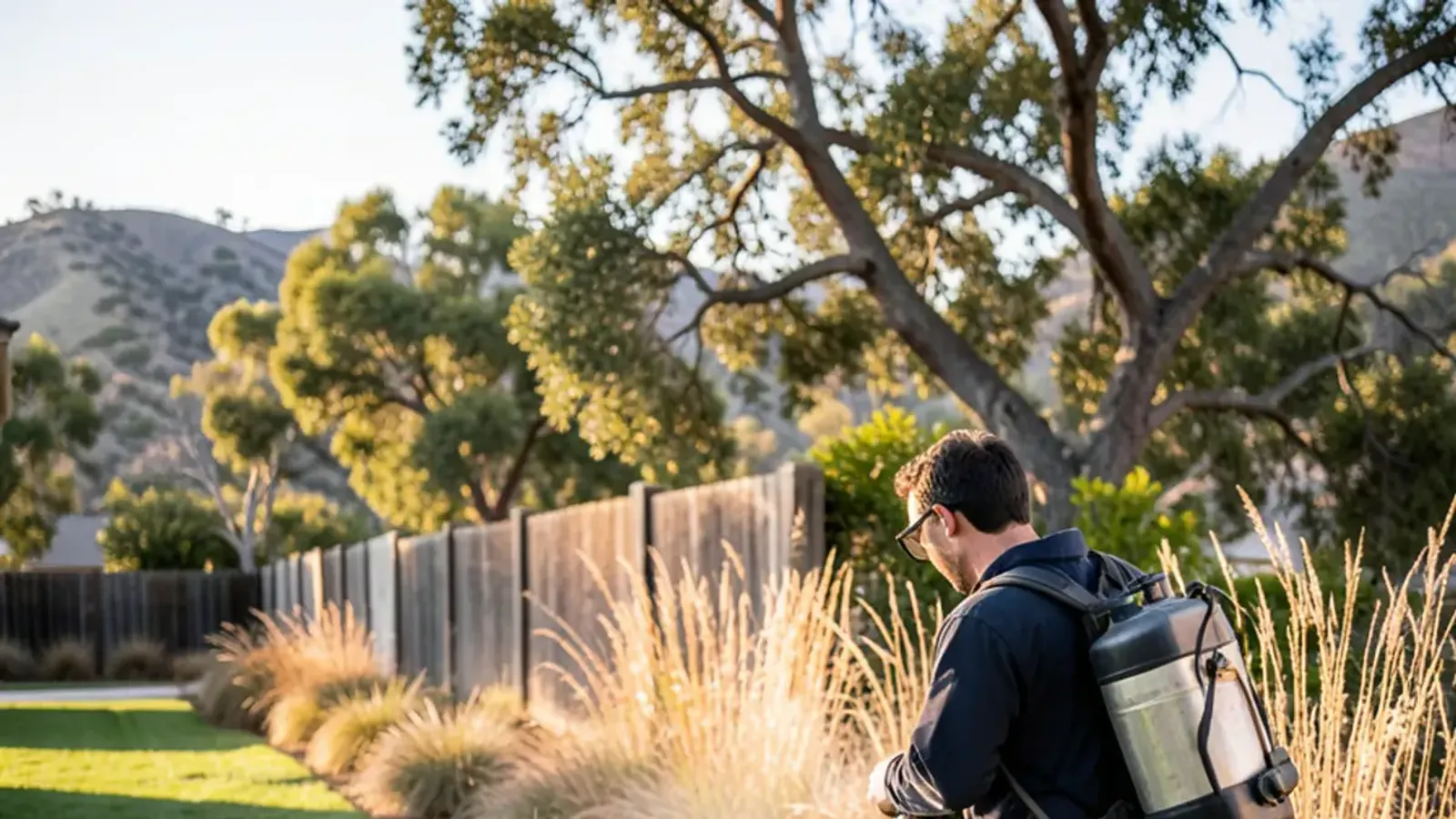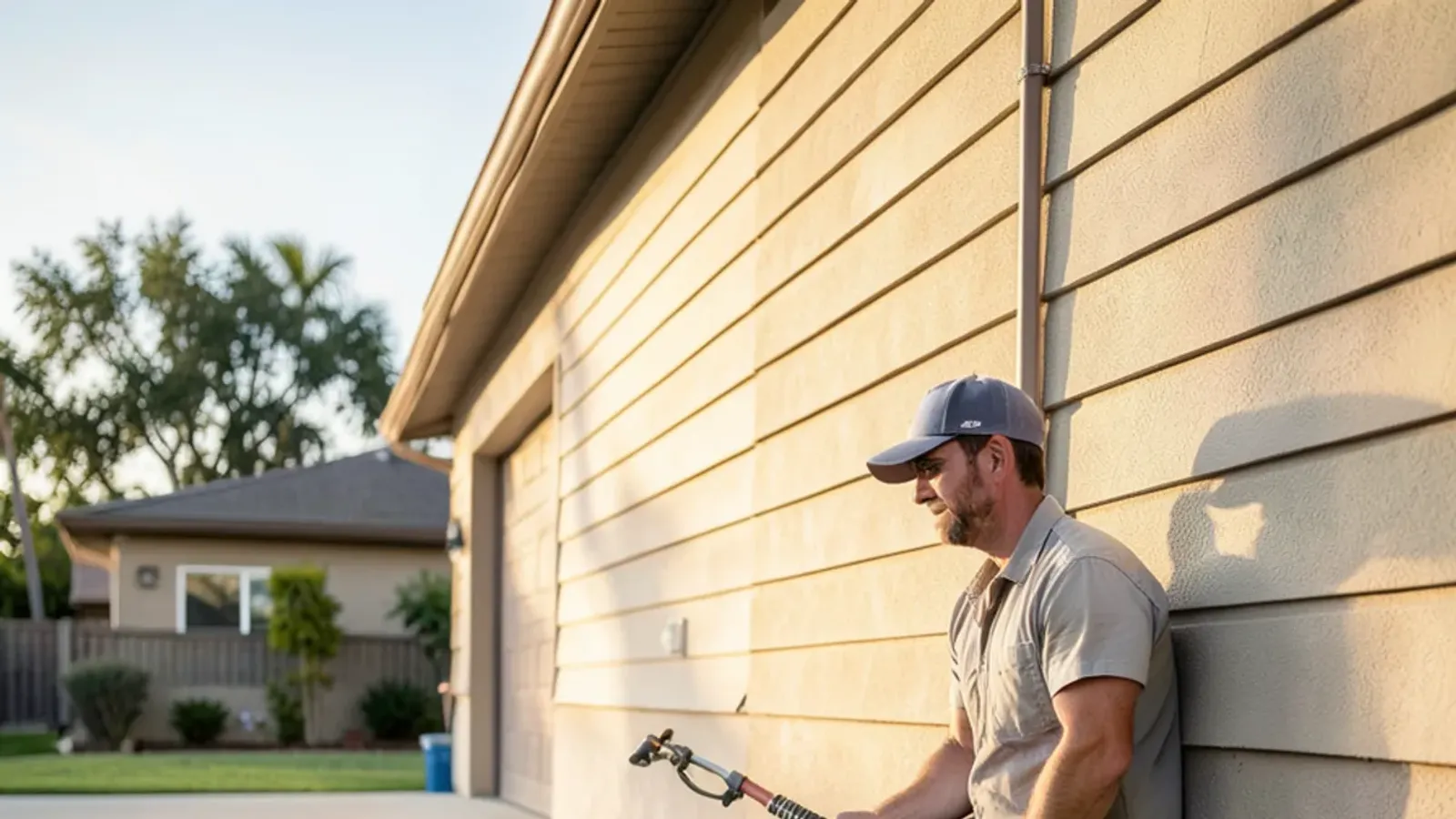
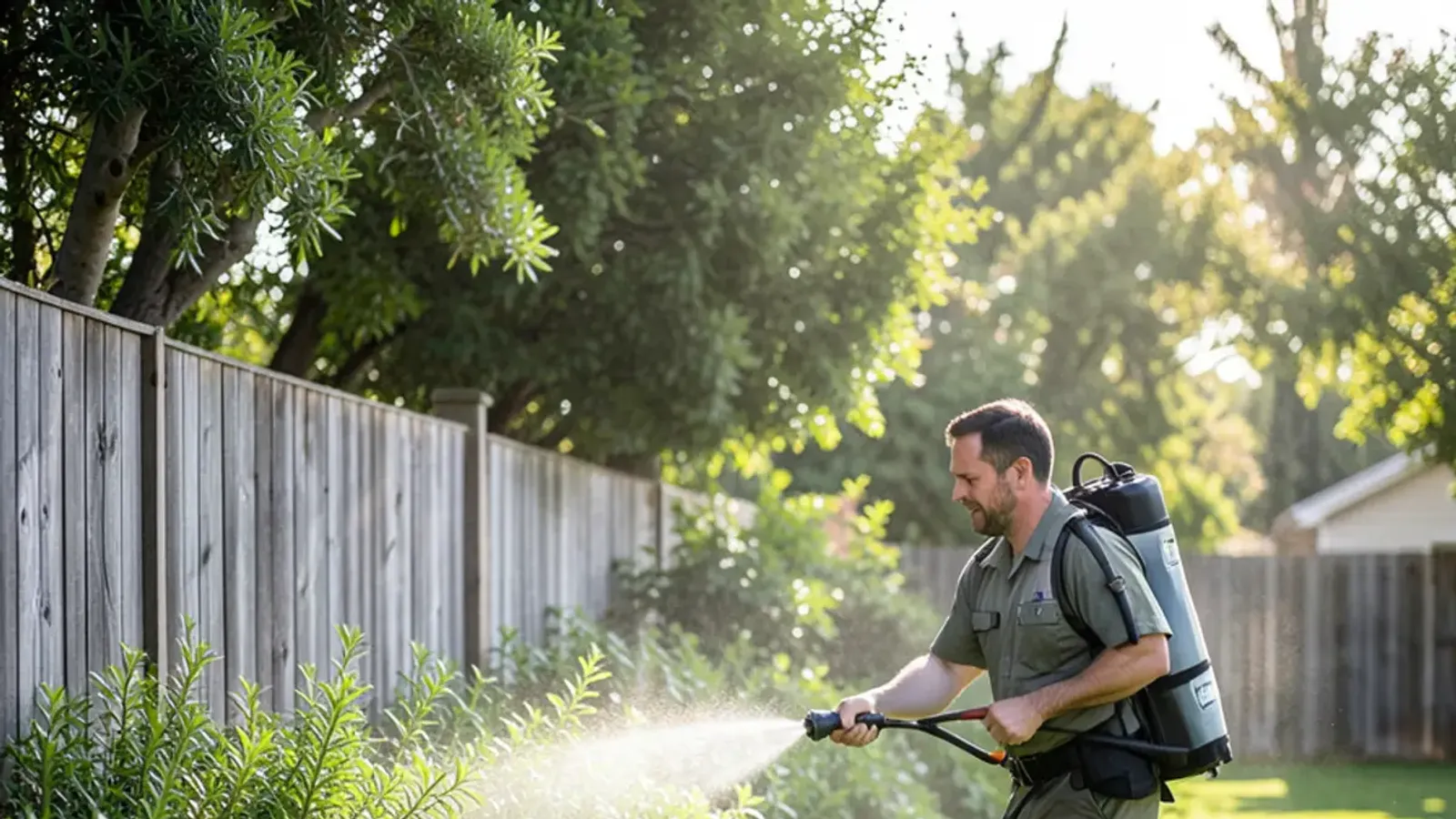
Mosquito control in San Jose targets two things: the standing water where mosquitoes breed and the shaded foliage where adults rest. Budget Pest Control treats the resting areas and helps you find and remove the breeding sources, because an unaddressed source refills the yard within days.
What a mosquito control job includes
- A yard survey for standing-water breeding sources
- Treatment of shaded resting areas — dense foliage, under decks, fence lines
- Guidance to eliminate or treat water that cannot be drained
- Seasonal programs for the warm months
- Coordination with county vector guidance on West Nile
How we handle it, step by step
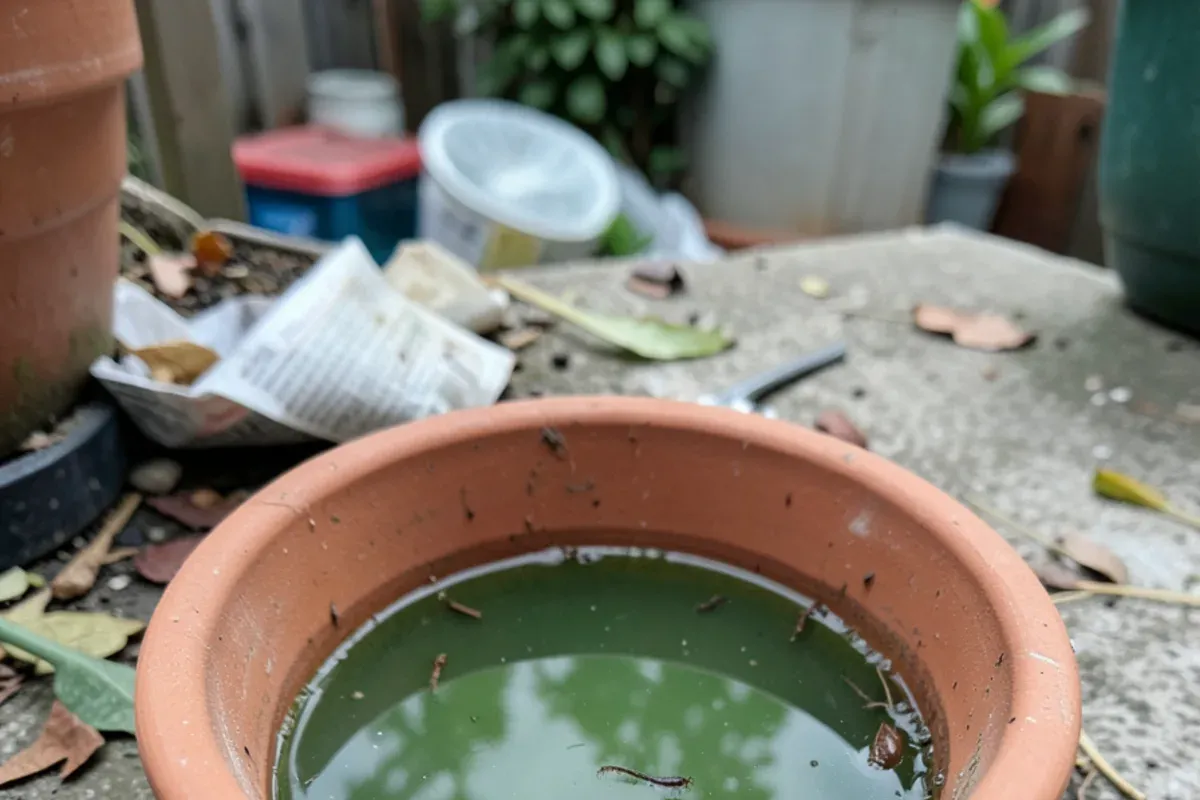
- Survey the yard. We find the standing water — saucers, gutters, drains, bird baths, low spots — where mosquitoes breed, and the shaded areas where adults rest.
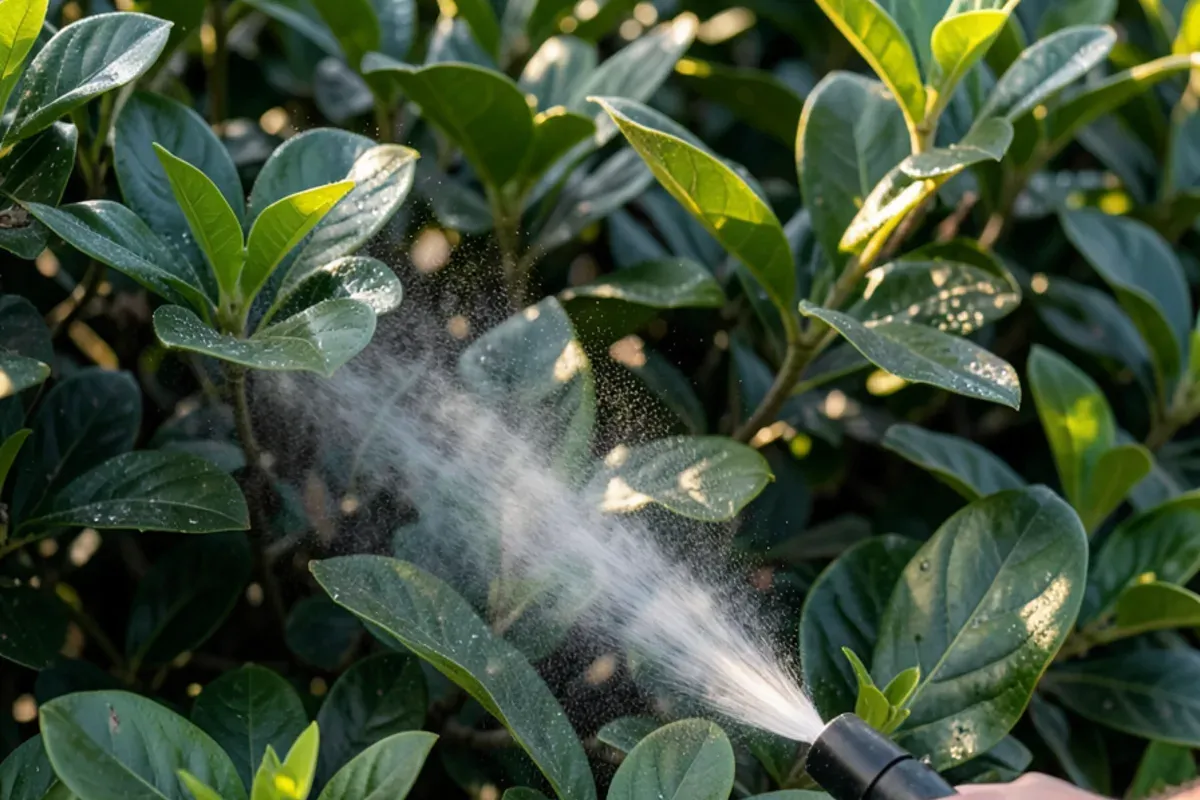
- Treat resting areas. We treat the dense foliage, under-deck spaces and fence lines where adult mosquitoes shelter during the day.
- Cut the breeding source. We help you drain or treat the water sources, since killing adults without removing the source only buys a few days.
- Maintain. For the warm season we set a recurring schedule to keep the bite pressure down.
Talk to a licensed pro
Call for a free estimate — we inspect, explain the finding and quote in writing before any treatment.
- Licensed — SPCB #5209
- 4.8★ on Google (20)
- Serving since 2007
- Free Estimates
What affects the price
- Yard size and the amount of foliage and shade
- Number of breeding sources
- One-time treatment versus a seasonal program
Why choose Budget Pest Control for mosquito control
- We treat resting areas and attack breeding sources, not just fog the air
- West Nile aware and aligned with county vector guidance
- Licensed SPCB operator (#11136) — verify at pestboard.ca.gov
- Local since 2007
Mosquito Control in San Jose & the South Bay
The Santa Clara County Vector Control District monitors West Nile virus, and the Baylands, creek corridors and irrigated yards drive mosquito pressure across the valley. Standing water in a forgotten saucer or clogged gutter can seed a yard, so source reduction is the heart of the job.
What causes mosquito problems in San Jose yards
Mosquitoes need only a bottle-cap of standing water to breed, and they develop from egg to biting adult in about a week when it is warm. The adults do not roam far — they rest through the day in cool, shaded foliage and emerge to bite at dawn and dusk. So a yard that bites usually has two things: a breeding source you have overlooked and dense shade where the adults shelter. A forgotten plant saucer, a clogged gutter or a low spot that holds water after irrigation is often the whole problem. The females that bite are looking for a blood meal to lay eggs, so cutting the water cuts the next generation.
- Biting that spikes at dawn and dusk, worst near shaded plantings
- Standing water in saucers, buckets, tarps, toys and wheelbarrows
- Clogged gutters or a drain that holds water for days
- Dense, shaded foliage, ivy or under-deck space where adults rest
- Low lawn spots that stay wet after watering or rain
- A green pool, fountain or rain barrel left untreated
What mosquito control costs in San Jose
Mosquito pricing follows the size of the yard, the amount of shade and foliage to treat, the number of breeding sources, and whether you want one treatment or a seasonal program through the warm months. A small, open yard with one obvious source is a smaller job than a large, heavily planted lot with several water sources and deep shade. On statewide estimates a one-time general pest visit runs about $125–$350. Because an untouched source refills the yard within days, most customers get more value from a recurring warm-season plan than from a single spray. Yards near the Baylands, a creek corridor or a neighbor’s neglected pool carry more pressure, so the surrounding area factors into the plan too.
Where the county ends and our licensed work begins
Mosquito work is Branch 2 general pest work under California’s Structural Pest Control Board, and Budget Pest Control holds SPCB registration #5209 under operator #11136 — verify at pestboard.ca.gov. We also work in step with the Santa Clara County Vector Control District, which monitors West Nile virus and treats some public water sources but does not service private yards. That line matters: the county handles the public side, and licensed property-level work handles your resting areas and breeding sources. Source reduction is the heart of it, because fogging adults without removing the water only buys a few days.