Flea and mite control in San Jose has to break the life cycle, not just kill the adults — most of a flea problem is eggs and larvae in the carpet and yard. Budget Pest Control treats indoors and out, and tracks mite problems back to their source, which is often birds or rodents, not pets.
What a flea & mite control job includes
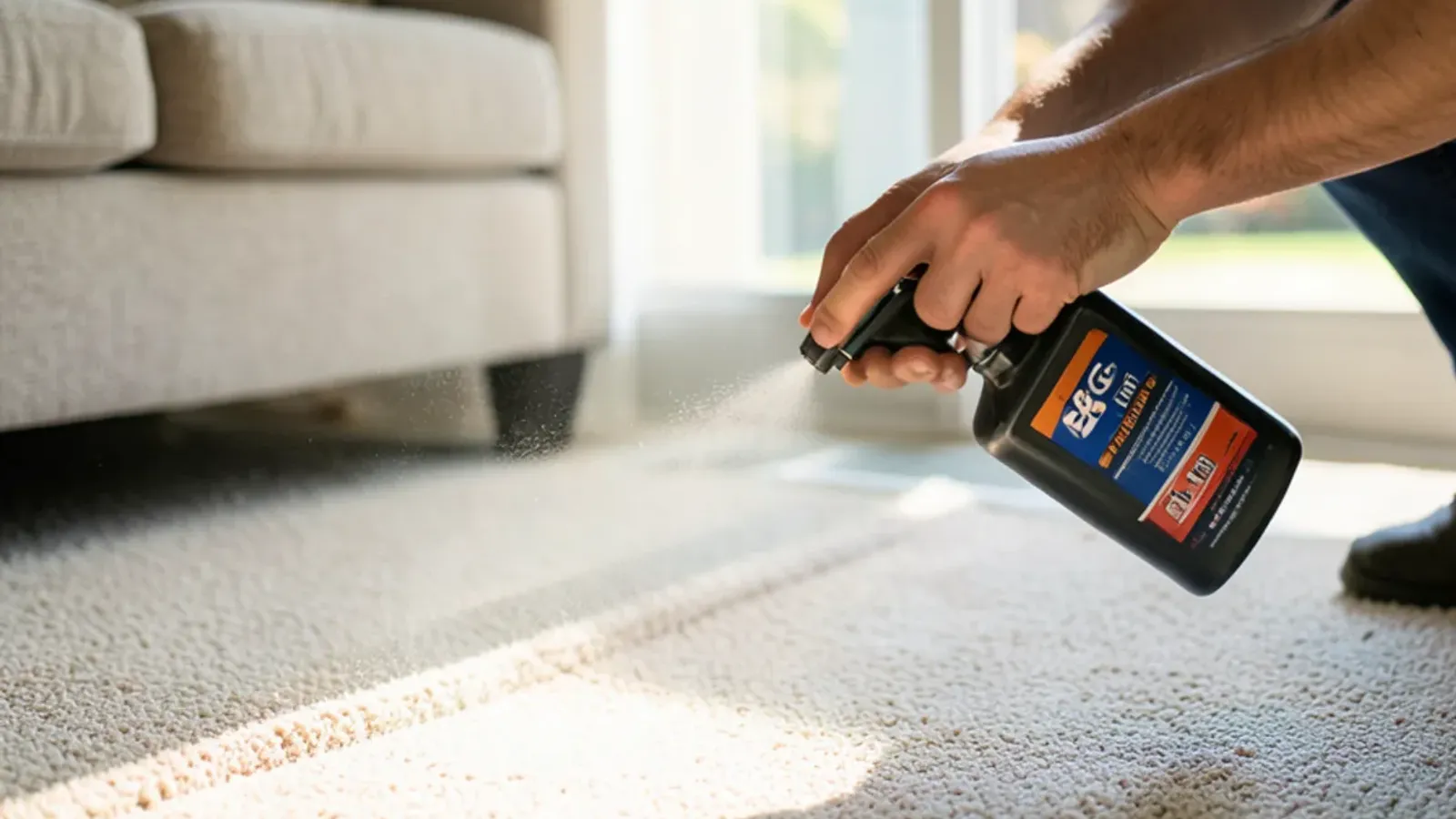
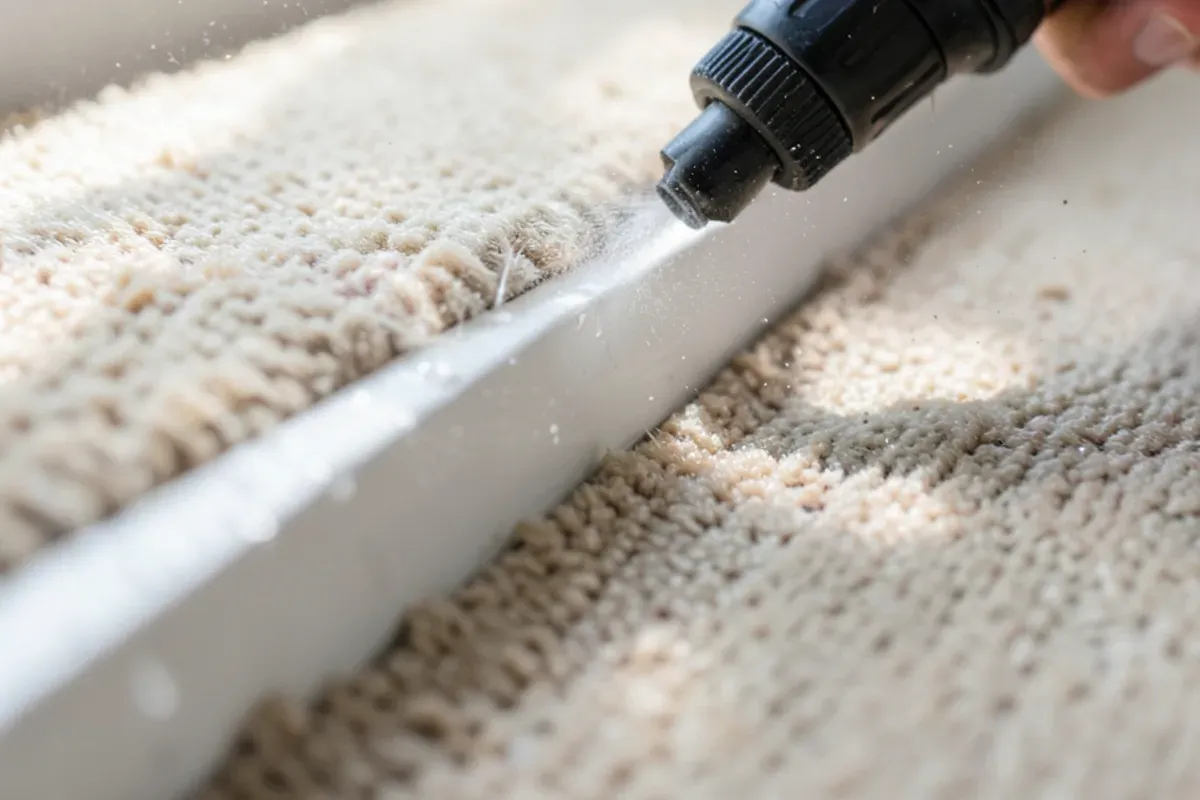
- Treatment of carpets, baseboards, pet areas and resting spots with an adulticide and growth regulator
- Yard treatment of shaded, protected areas where fleas develop
- Guidance to coordinate with your vet on pet treatment
- Identification of mite problems — bird, rodent or other
- Follow-up to catch fleas emerging from the pupal stage
How we handle it, step by step
- Inspect. We find where fleas or mites are concentrated — pet resting areas, carpets, shaded yard spots, or a bird or rodent nest for mites.
- Treat the cycle. We use an adulticide plus a growth regulator so eggs and larvae do not simply mature into the next wave.
- Treat the yard. For fleas we treat the protected outdoor areas where they breed, since an indoor-only treatment leaves a reservoir.
- Follow up. We return because pupae are protected and hatch over days — the follow-up catches that second emergence.
Talk to a licensed pro
Call for a free estimate — we inspect, explain the finding and quote in writing before any treatment.
- Licensed — SPCB #5209
- 4.8★ on Google (20)
- Serving since 2007
- Free Estimates
What affects the price
- Indoor-only versus indoor plus yard treatment
- Severity and square footage
- Whether a mite source (bird or rodent nest) must be removed
Why choose Budget Pest Control for flea & mite control
- We break the life cycle instead of killing only adults
- We find the real mite source rather than assuming pets
- Licensed SPCB operator (#11136) — verify at pestboard.ca.gov
- Pet-conscious products and timing
Flea & Mite Control in San Jose & the South Bay
Fleas often turn up in a San Jose home with no pets at all — carried in by rodents or left behind by a previous tenant’s animals, then hatching from eggs already in the carpet. Bird mites follow nests in eaves and vents, so finding the source is half the job.
What causes fleas and mites in San Jose homes
Most of a flea problem is invisible — the adults you see are a fraction of the eggs, larvae and protected pupae waiting in carpet, cracks and shaded yard soil. Fleas ride in on rodents and wildlife or hatch from eggs a previous tenant’s pet left behind, which is why a home with no animals can suddenly have them weeks after move-in. Mites are a different story: bird and rodent mites follow a nest in the eaves, attic or wall, then come looking for a host indoors once the animal leaves.
- Fast, dark fleas jumping around ankles, carpet and pet bedding
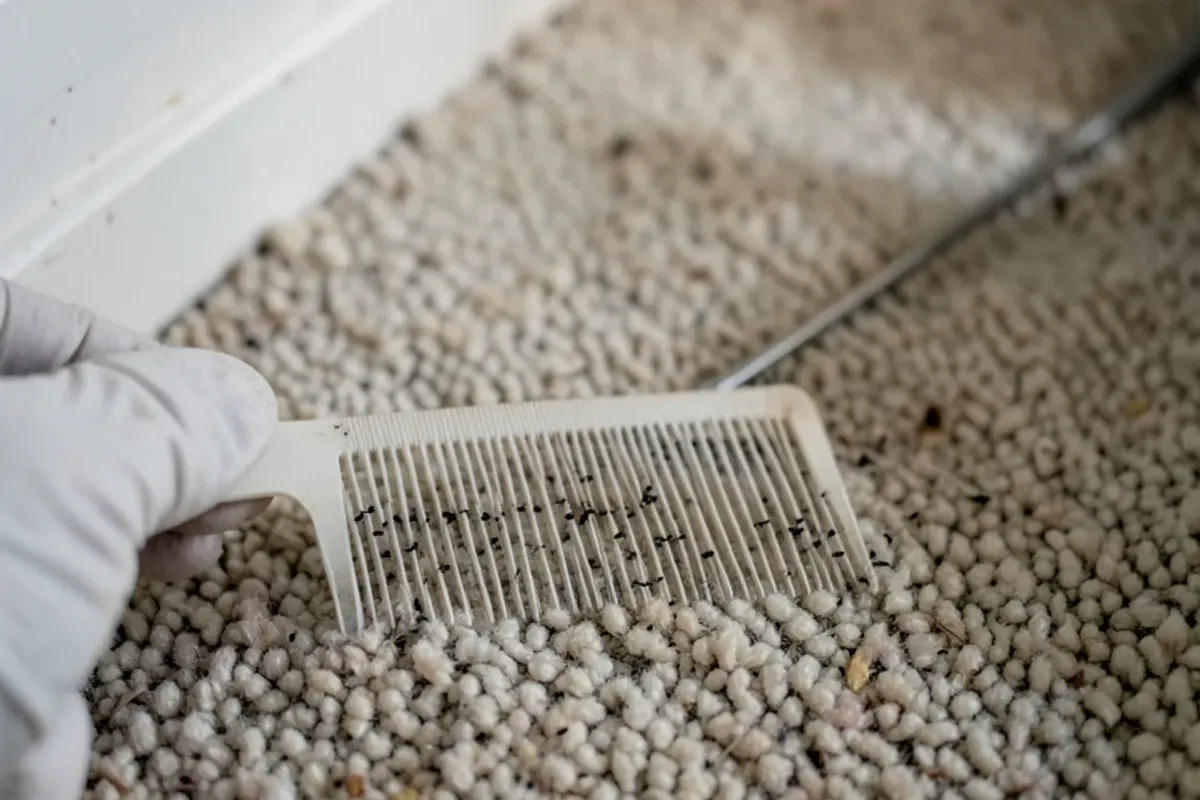
- Flea dirt — pepper-like specks that turn red-brown when wet
- Itchy bites clustered on the lower legs and ankles
- A fresh wave of fleas a few weeks after moving in
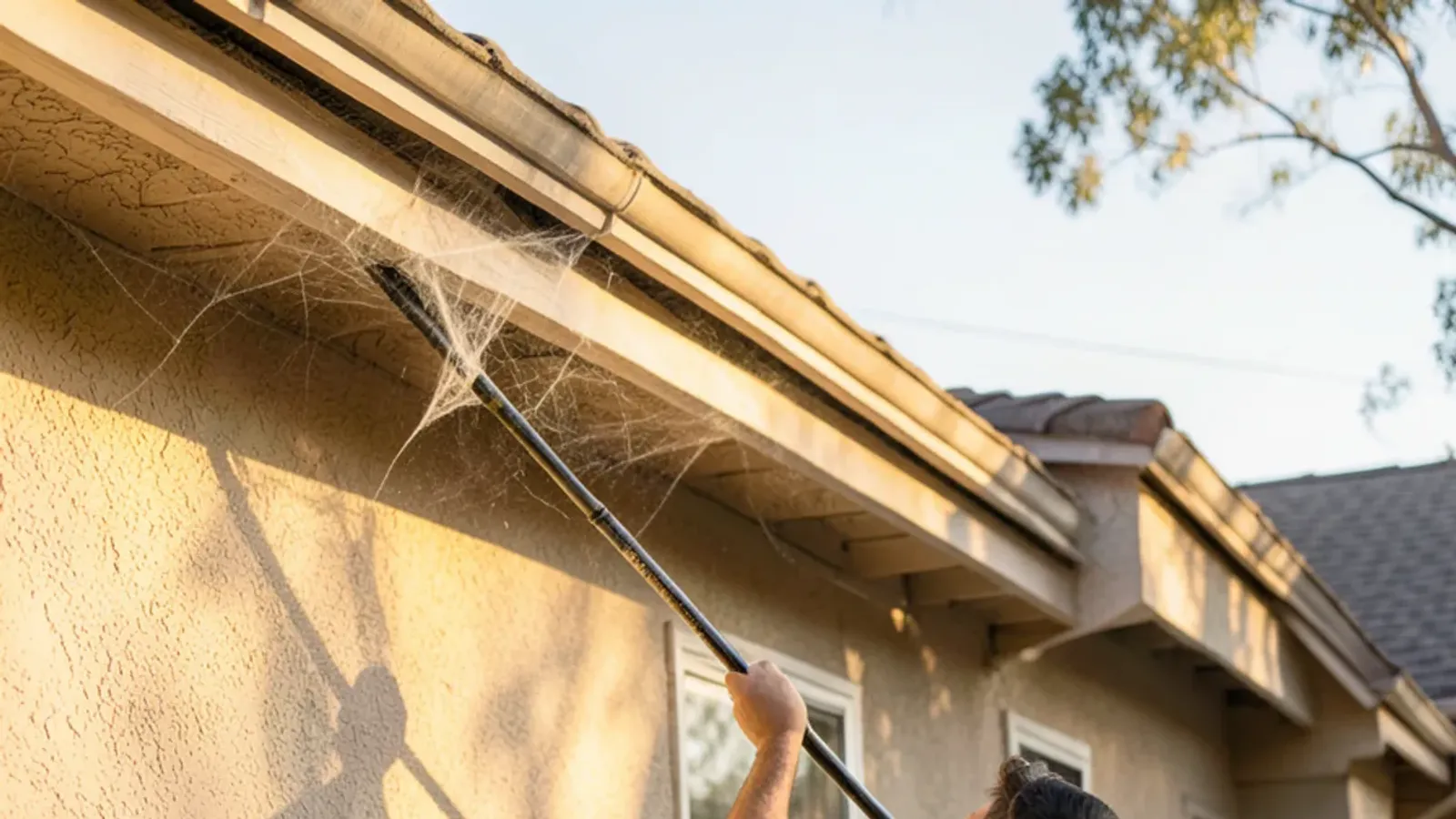
- Tiny crawling mites near a window, vent or old bird nest
- Mite activity tracing back to a nest in the eaves or attic
What flea and mite control costs in San Jose
Cost depends on whether we treat indoors only or add the yard, on the square footage and severity, and — for mites — on whether a bird or rodent nest has to be found and removed before treatment will hold. An indoor-only flea treatment of a contained area is smaller; a home plus shaded yard breeding zones, or a mite job that includes nest removal, runs higher. On statewide estimates a one-time general pest visit runs about $125–$350. Fleas almost always need a follow-up because pupae are armored against product and hatch over days, so we build that second pass into the plan. Homes with both carpet and a yard dog usually need the indoor-and-outdoor combination, since either side alone keeps reseeding the other.
Breaking the life cycle under a Branch 2 license
Flea and mite treatment is Branch 2 general pest work under California’s Structural Pest Control Board; Budget Pest Control holds SPCB registration #5209 under operator #11136, verifiable at pestboard.ca.gov. The license is why we treat with an adulticide paired with an insect growth regulator — the Board recognizes that breaking the life cycle, not just killing adults, is what clears fleas. For mites, the licensed work is really detective work: finding and clearing the host nest, because no amount of surface product fixes a mite problem while the source is still in the eaves.