Pantry pest control in San Jose starts with finding the source — one infested bag of flour, rice, cereal or pet food is usually feeding every moth or beetle you see. Budget Pest Control locates the source, treats the pantry and voids, and shows you how to store food so they do not come back.
What a pantry pest control job includes
- A search for the source product feeding the infestation
- Inspection of shelving, cracks and voids where larvae pupate
- Treatment of the pantry and surrounding cracks
- Guidance on discarding infested items and sealed storage
- A follow-up to confirm the cycle is broken
How we handle it, step by step
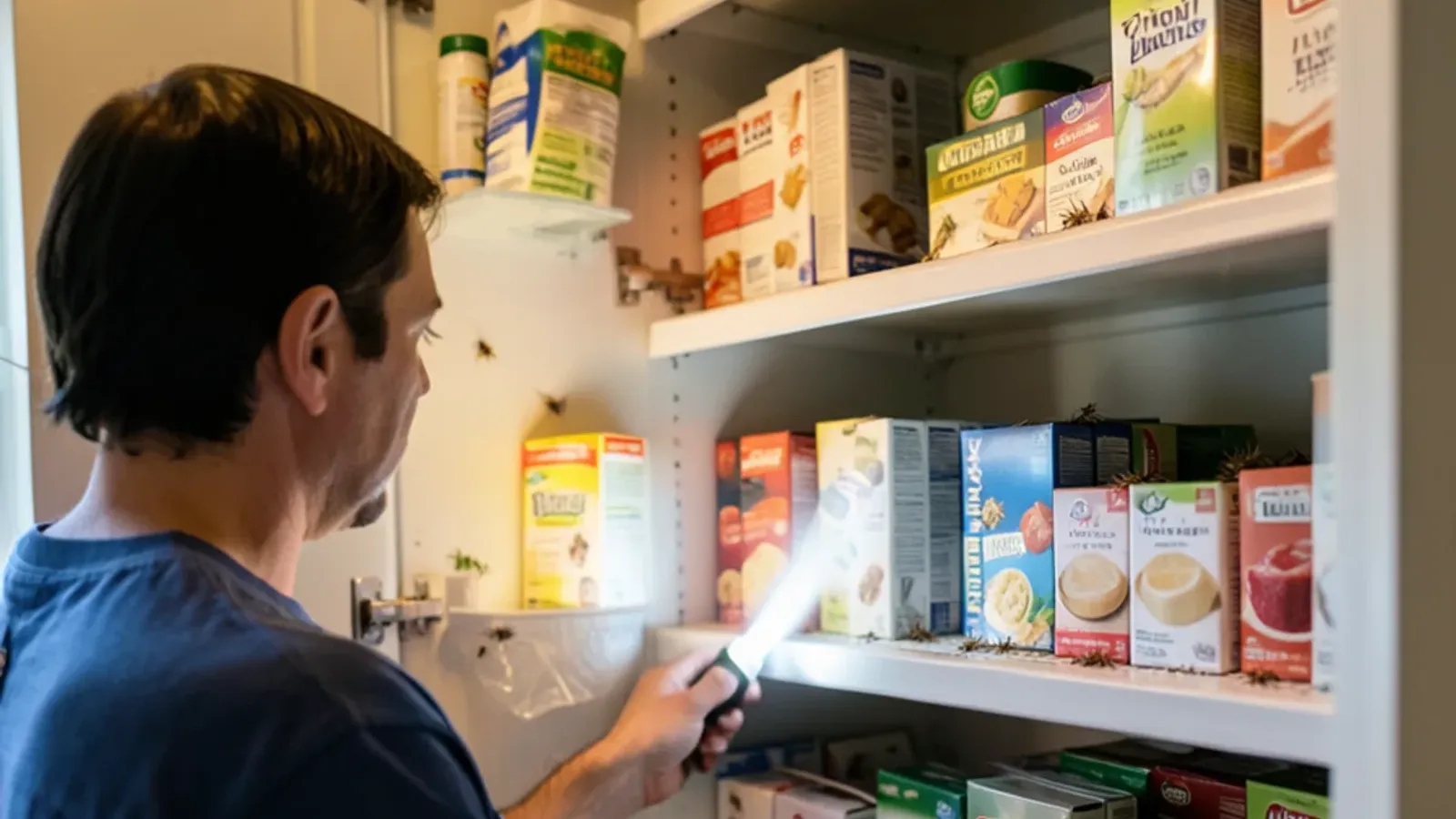
- Find the source. We trace the moths or beetles to the infested product — flour, grains, cereal, spices, pet food or birdseed — because that single source feeds the whole problem.
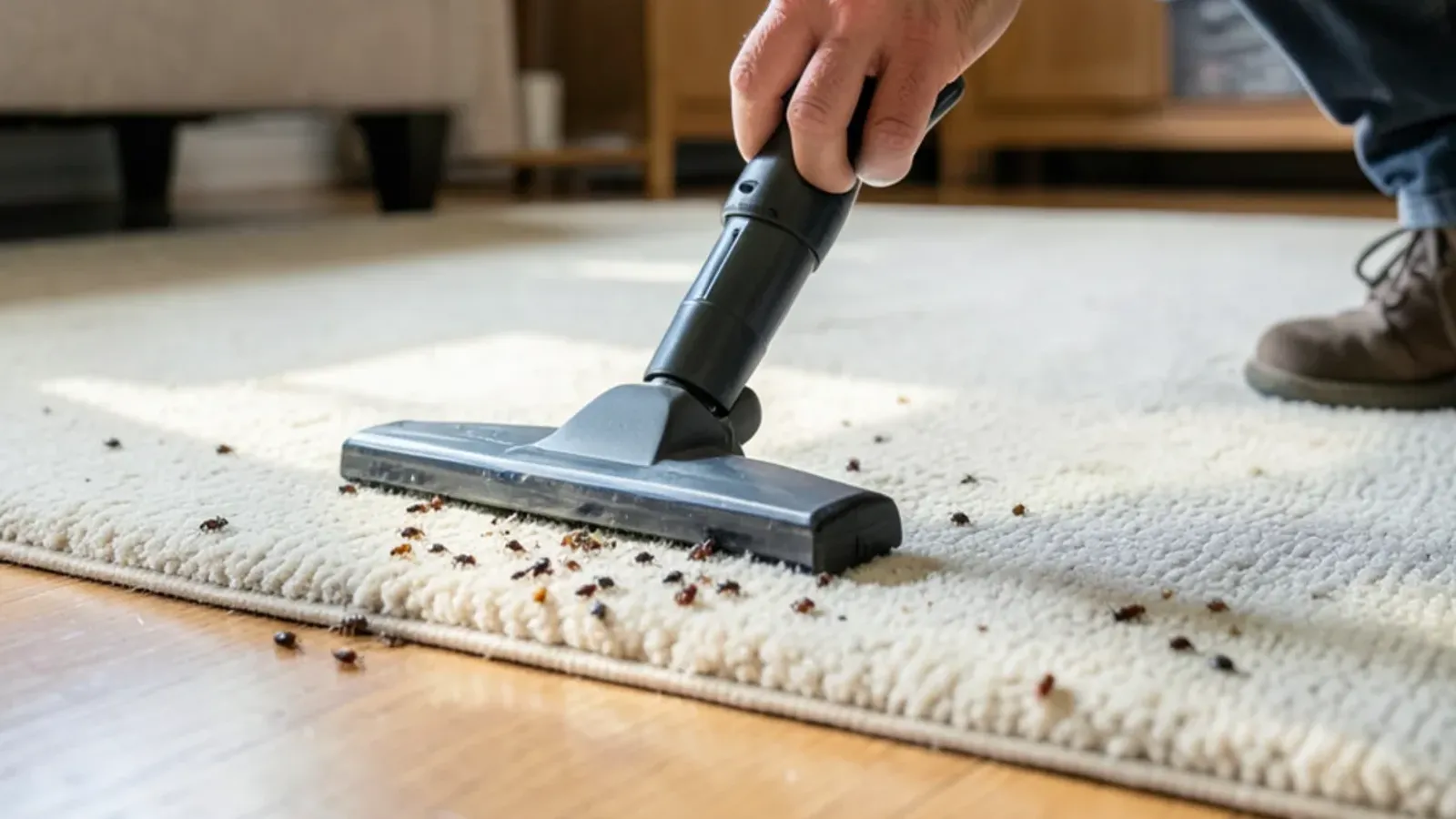
- Clear and treat. We have you discard infested items and we treat the shelving cracks and voids where larvae crawl off to pupate.
- Seal the pantry. We advise on airtight storage so a new infestation cannot start from a fresh bag.
- Follow up. We check back to confirm no adults are still emerging from a missed source.
Talk to a licensed pro
Call for a free estimate — we inspect, explain the finding and quote in writing before any treatment.
- Licensed — SPCB #5209
- 4.8★ on Google (20)
- Serving since 2007
- Free Estimates
What affects the price
- Severity and how many products are infested
- Size of the pantry and kitchen
- Whether larvae have spread beyond the pantry
Why choose Budget Pest Control for pantry pest control
- We find the source, which is the whole fix — treatment alone fails without it
- Practical storage guidance so it does not recur
- Licensed SPCB operator (#11136) — verify at pestboard.ca.gov
- Local since 2007
Pantry Pest Control in San Jose & the South Bay
Pantry pests ride into San Jose kitchens inside the packaging — eggs are already in the flour, grain or birdseed when you buy it, then hatch on the shelf. Bulk-buying and warm pantries speed the cycle, so the find-the-source step matters more than any spray.
Signs you need pantry pest control in San Jose
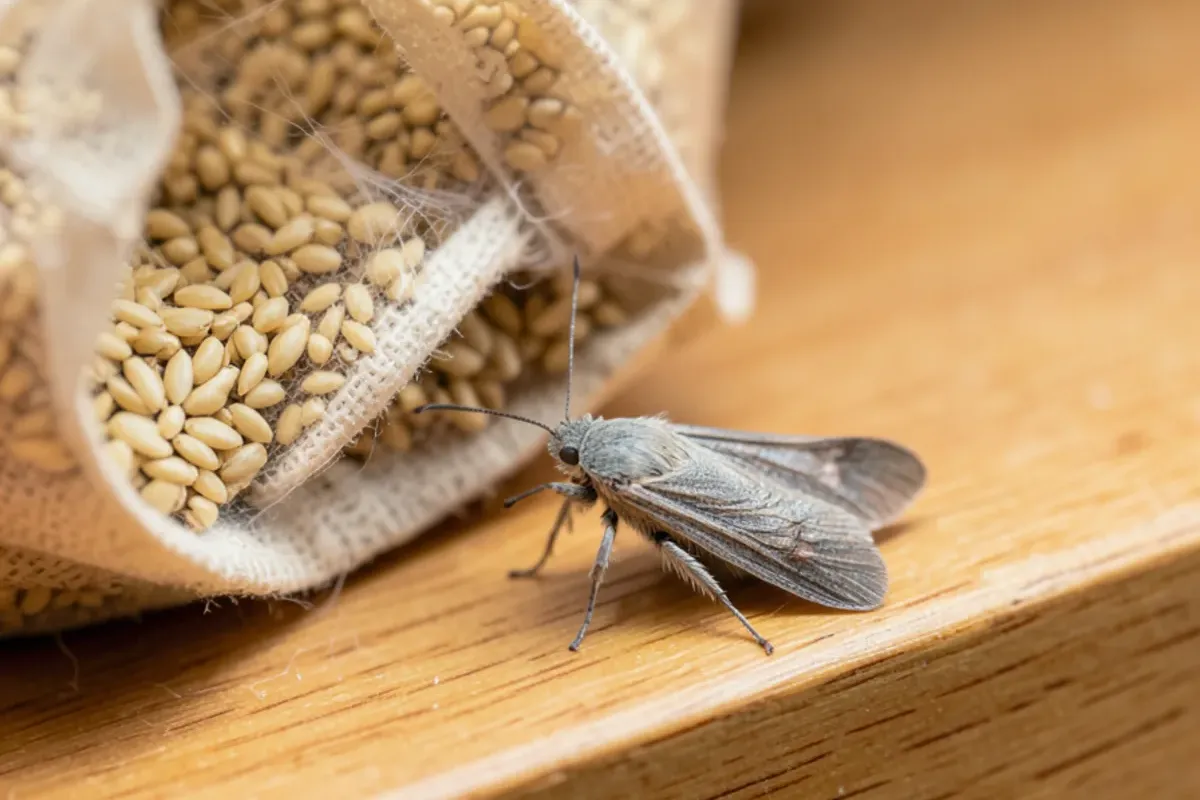
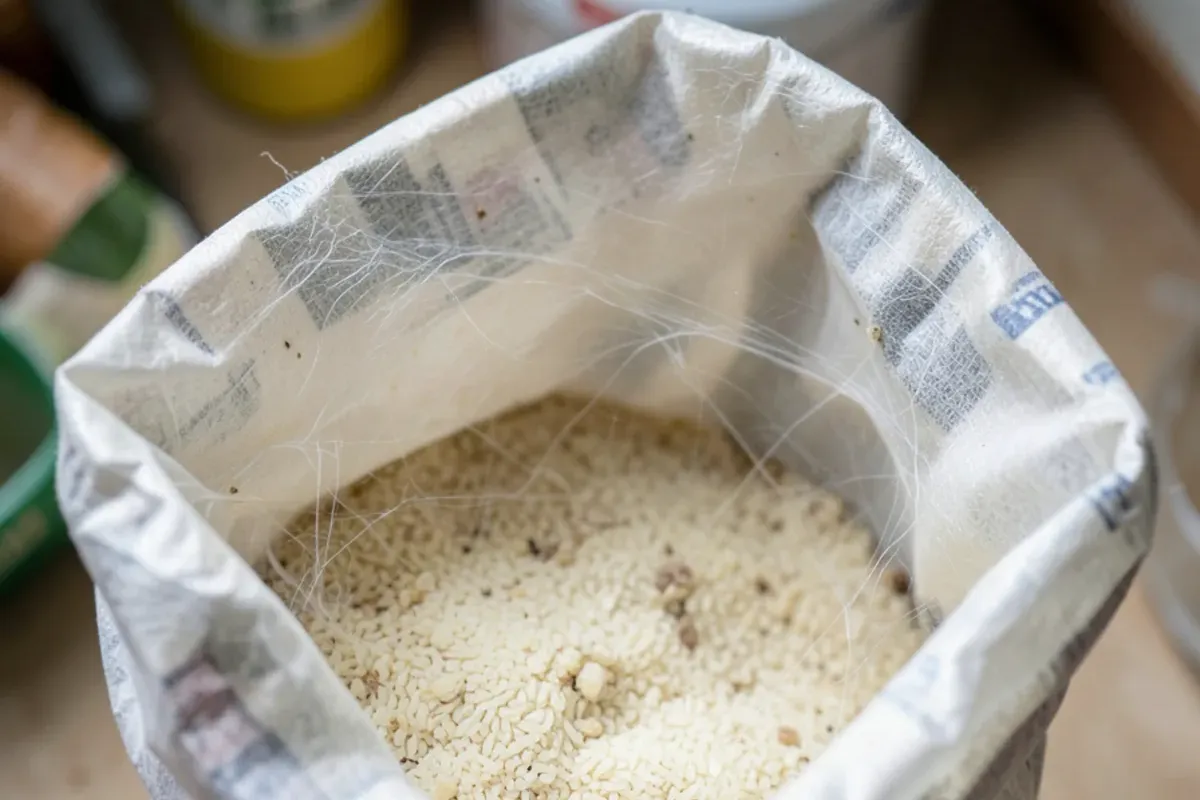
Pantry pests announce themselves with small moths fluttering out of a cupboard at eye level, or little beetles and weevils walking across a shelf. The real signature, though, is webbing: Indian meal moth larvae leave a silken mat and clumped grains inside a bag of flour, cereal, rice, spices, pet food or birdseed. One infested package usually feeds everything you see, because the eggs were already inside when you brought it home. Larvae then crawl off to pupate in shelf cracks and ceiling corners, which is why the moths appear far from the food. A few moths today can mean dozens in a month, since each female lays a large batch of eggs.
- Small moths flying in a lazy zig-zag near the pantry ceiling
- Webbing, clumping or a musty smell inside a bag or box of dry goods
- Tiny beetles or weevils walking across shelves and counters
- Larvae or cocoons wedged in shelf cracks and cupboard corners
- Clumped, discolored flour, grain, cereal, spice or pet food
- Moths or beetles appearing weeks after a bulk grocery or feed run
What pantry pest control costs in San Jose
Cost depends on how many products are infested, how far larvae have crawled beyond the pantry, and the size of the kitchen. A single infested bag caught early is a small job; an infestation that has spread into several packages and up into shelf cracks and corners takes longer to clear and often needs a follow-up. On statewide estimates a one-time general pest visit runs about $125–$350. The decisive step costs nothing extra — finding and discarding the source product — so we focus the visit there, then treat the shelving voids where larvae pupate. If larvae have reached cabinets and ceiling corners beyond the pantry, the treatment widens, which is why catching it at one bag saves the most.
Why we keep product away from your food
Pantry pest work is Branch 2 general pest work regulated by California’s Structural Pest Control Board; Budget Pest Control holds SPCB registration #5209 under operator #11136, verifiable at pestboard.ca.gov. Because this is food-storage space, licensing and IPM standards both steer us away from spraying pesticide across shelves where food sits. We treat cracks and voids precisely, rely on source removal and sealed storage, and keep product away from food-contact surfaces — the targeted, pest-specific approach the City of San José’s IPM direction calls for.