Beetle control in San Jose depends on the beetle: carpet beetles whose larvae eat wool, silk and stored fabrics, or pantry beetles in dry food. Budget Pest Control identifies the beetle, finds the material it is feeding on, and treats the harborages so the damage stops.
What a beetle control job includes
- Identification of the beetle and the larval source
- Inspection of closets, carpets, vents, pantries and stored goods
- Treatment of harborages, cracks and voids
- Guidance on cleaning, storage and discarding infested items
- A follow-up for established populations
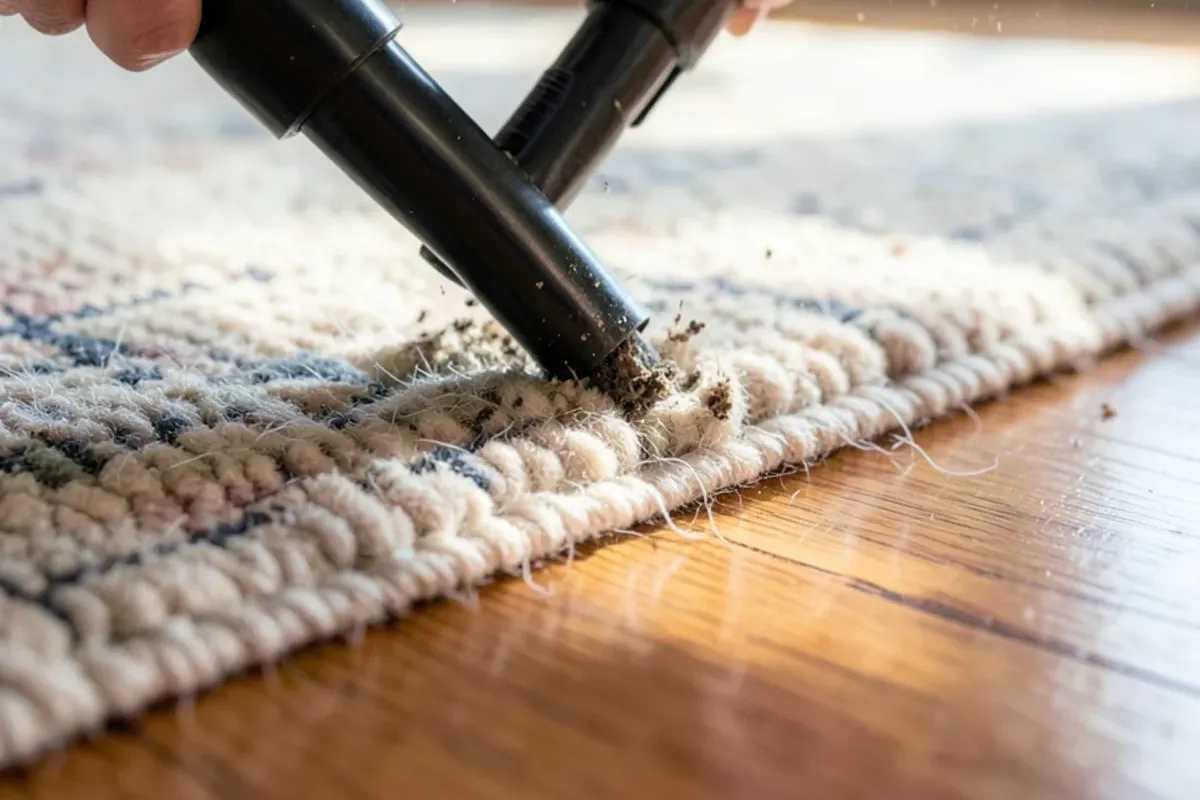
How we handle it, step by step
- Identify. We confirm the beetle — carpet beetle, flour or grain beetle, or another — because each feeds on something different.
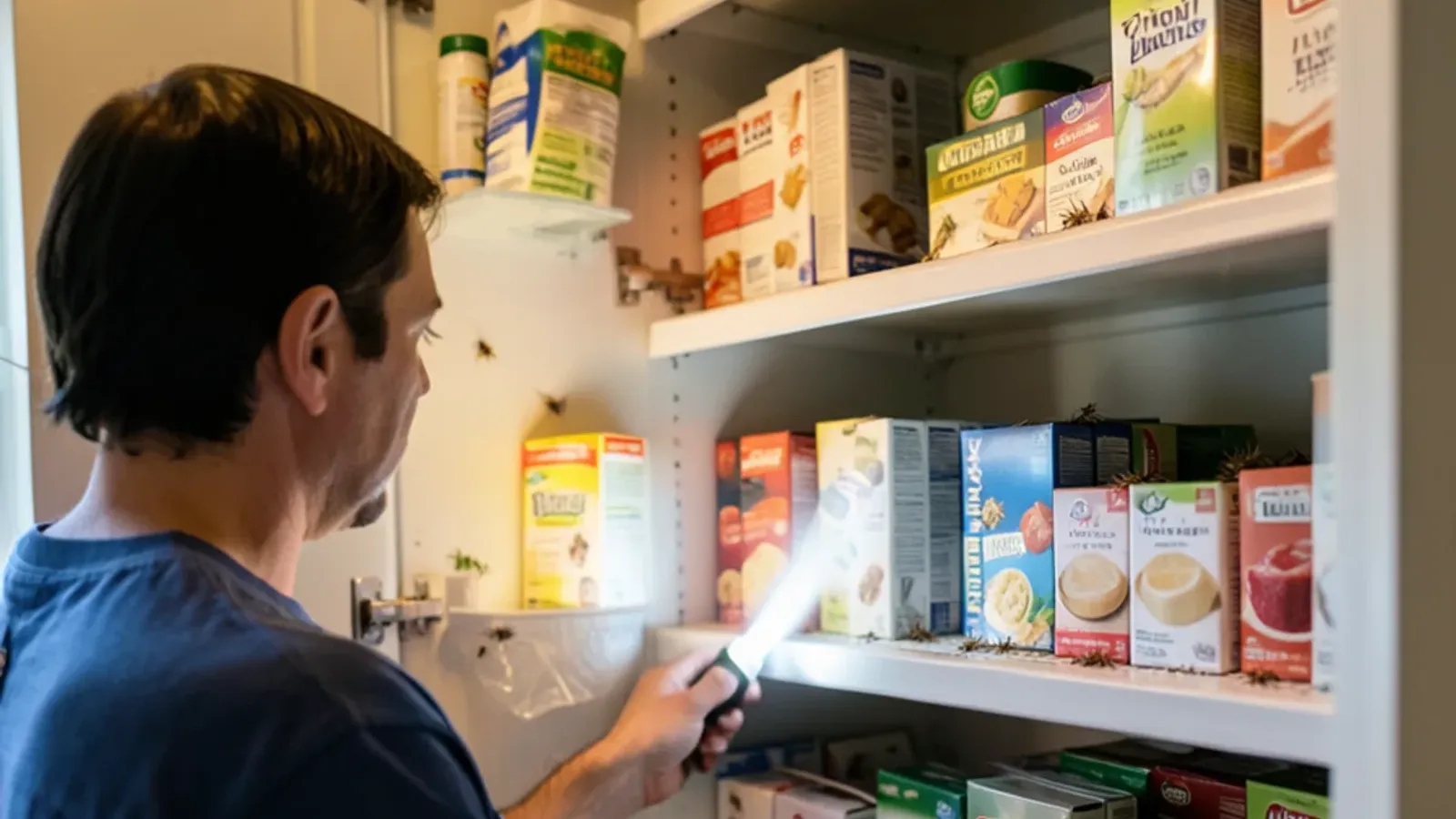
- Find the food. We locate what the larvae are feeding on: wool and stored fabrics for carpet beetles, dry goods for pantry beetles, or dead insects and lint in vents.
- Treat. We treat the harborages, cracks and voids and have you clean or discard infested material.
- Prevent and follow up. We advise on storage and cleaning and return for established populations.
Talk to a licensed pro
Call for a free estimate — we inspect, explain the finding and quote in writing before any treatment.
- Licensed — SPCB #5209
- 4.8★ on Google (20)
- Serving since 2007
- Free Estimates
What affects the price
- Carpet/fabric beetles versus pantry beetles
- How widespread the larvae are
- Number of rooms and stored-goods areas
Why choose Budget Pest Control for beetle control
- We find the larval source, which is the real fix
- We protect fabrics and stored food, not just kill adults
- Licensed SPCB operator (#11136) — verify at pestboard.ca.gov
- Local since 2007
Beetle Control in San Jose & the South Bay
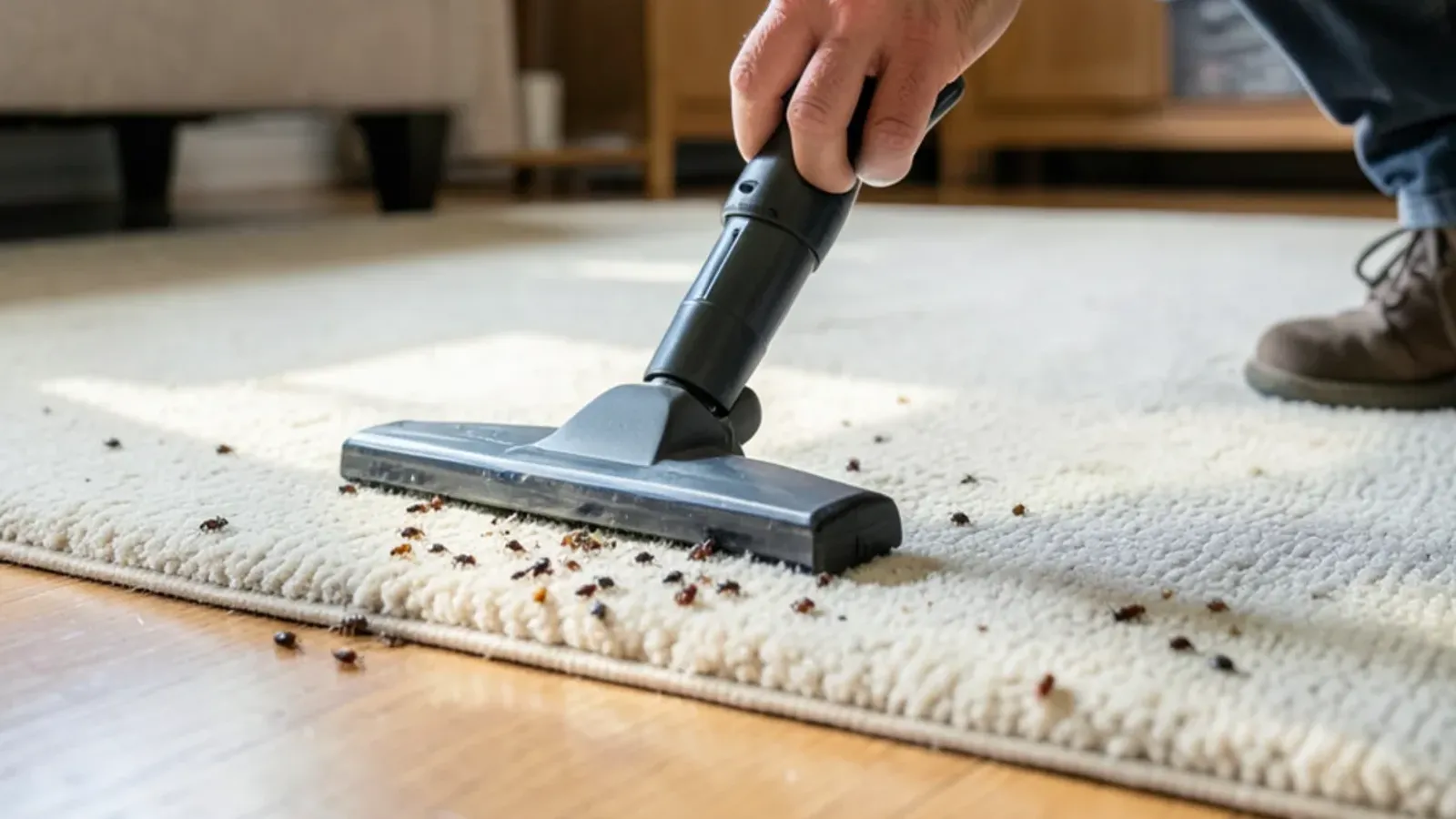
Carpet beetle larvae quietly damage wool rugs, stored sweaters and natural-fiber upholstery in San Jose homes, often in closets and under furniture that rarely moves. Pantry beetles, like pantry moths, arrive inside packaged dry goods and spread on the shelf.
What causes beetle problems in San Jose homes
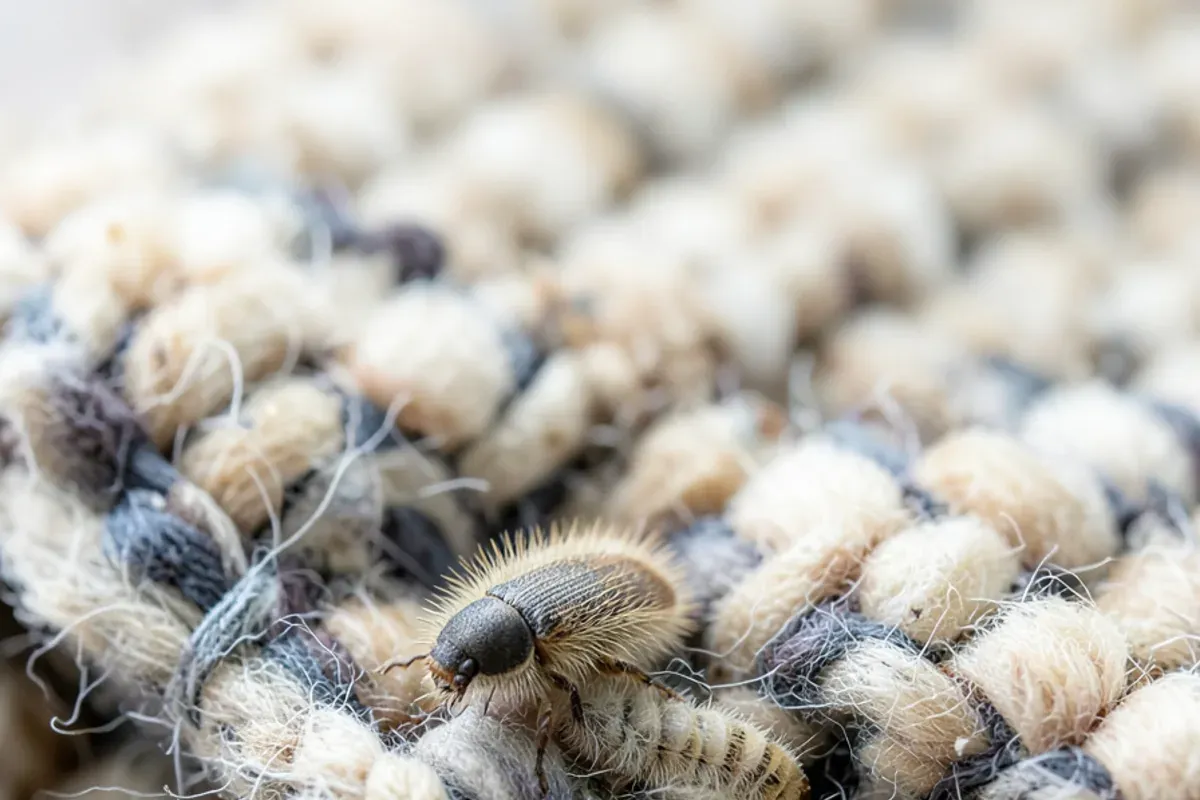
Beetles split into two very different household groups, and the fix starts with telling them apart. Carpet beetles are the fabric pest: their bristly larvae quietly graze wool rugs, stored sweaters, feathers, upholstery and even dead insects in vents, leaving irregular holes in closets and under furniture that rarely moves. Pantry beetles — flour and grain beetles, weevils — are the food pest, arriving inside packaged dry goods and spreading on the shelf. The adults you spot near a window are often harmless; it is the larvae, hidden in fiber or food, that do the damage. Many homeowners first notice the adult beetles at a sunny window in spring, long after the larvae have been feeding out of sight.
- Irregular holes or thinning in wool rugs, sweaters and upholstery
- Shed bristly larval skins in closets, drawers and under furniture
- Small round beetles crawling up windows or across shelves
- Beetles or larvae inside flour, grain, cereal or spice packages
- Damage concentrated where items sit undisturbed for months
- Larvae in lint, dead insects or pet hair inside vents and corners
What beetle control costs in San Jose
Pricing depends on whether you have fabric-feeding carpet beetles or food-infesting pantry beetles, how widespread the larvae are, and the number of rooms and storage areas involved. A single infested pantry item or one closet is a smaller job than carpet beetle larvae spread across several rooms, rugs and vents. On statewide estimates a one-time general pest visit runs about $125–$350. Established populations usually need a follow-up, and because cleaning and proper storage carry much of the result, we build those steps into the plan rather than relying on product alone. We also note whether the larvae have reached stored clothing or only a single rug, since that changes both the treatment and the cleaning it calls for.
A licensed, source-first method
Beetle treatment is Branch 2 general pest work regulated by California’s Structural Pest Control Board; Budget Pest Control holds SPCB registration #5209 under operator #11136, verifiable at pestboard.ca.gov. Whether the target is a closet full of wool or a pantry of dry goods, the licensed, IPM-minded approach the City of San José favors is the same: find and remove the larval source, treat the specific harborages and cracks, and avoid broadcasting pesticide across fabrics or food. Source and sanitation do the heavy lifting; targeted treatment finishes it.