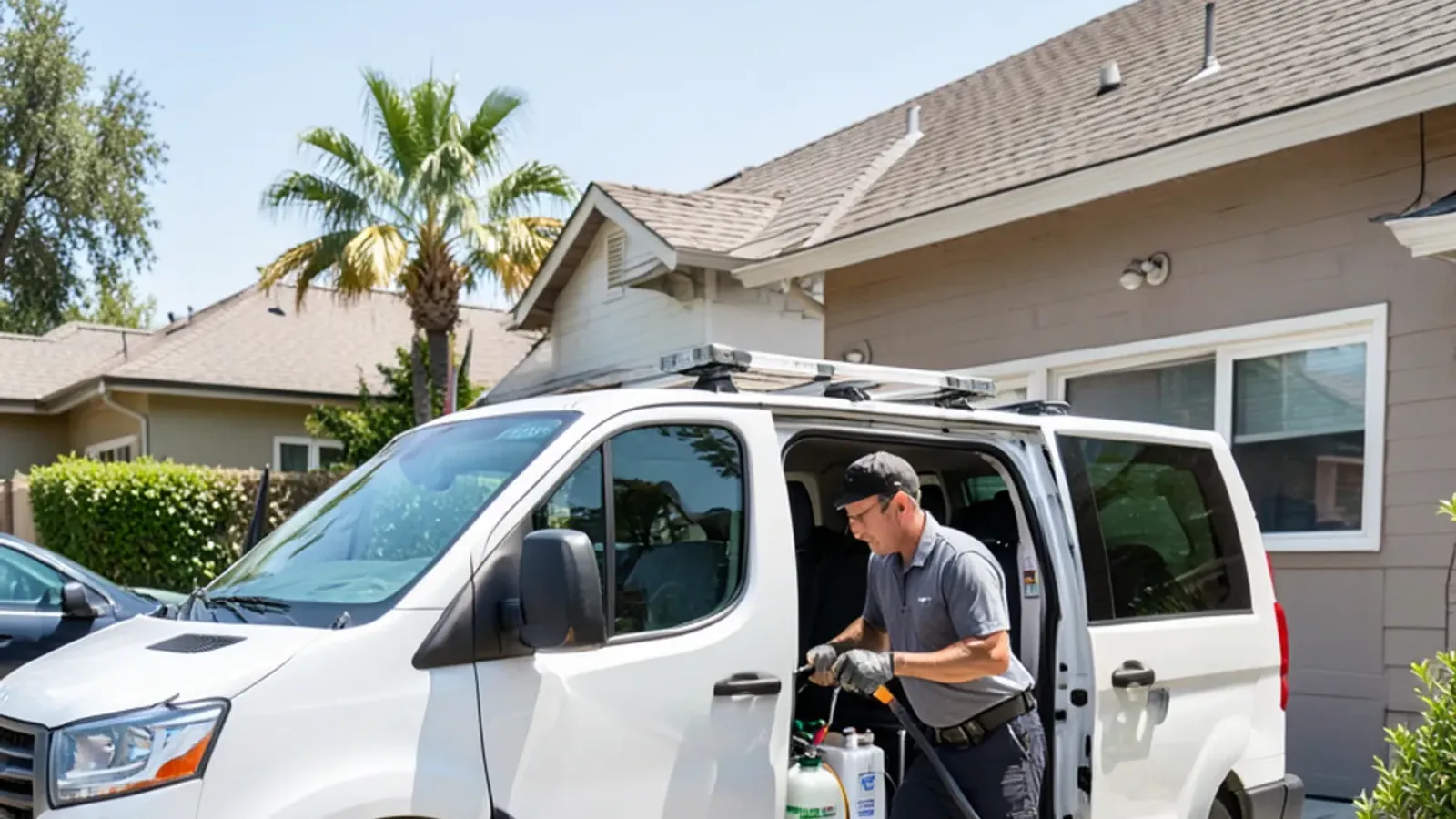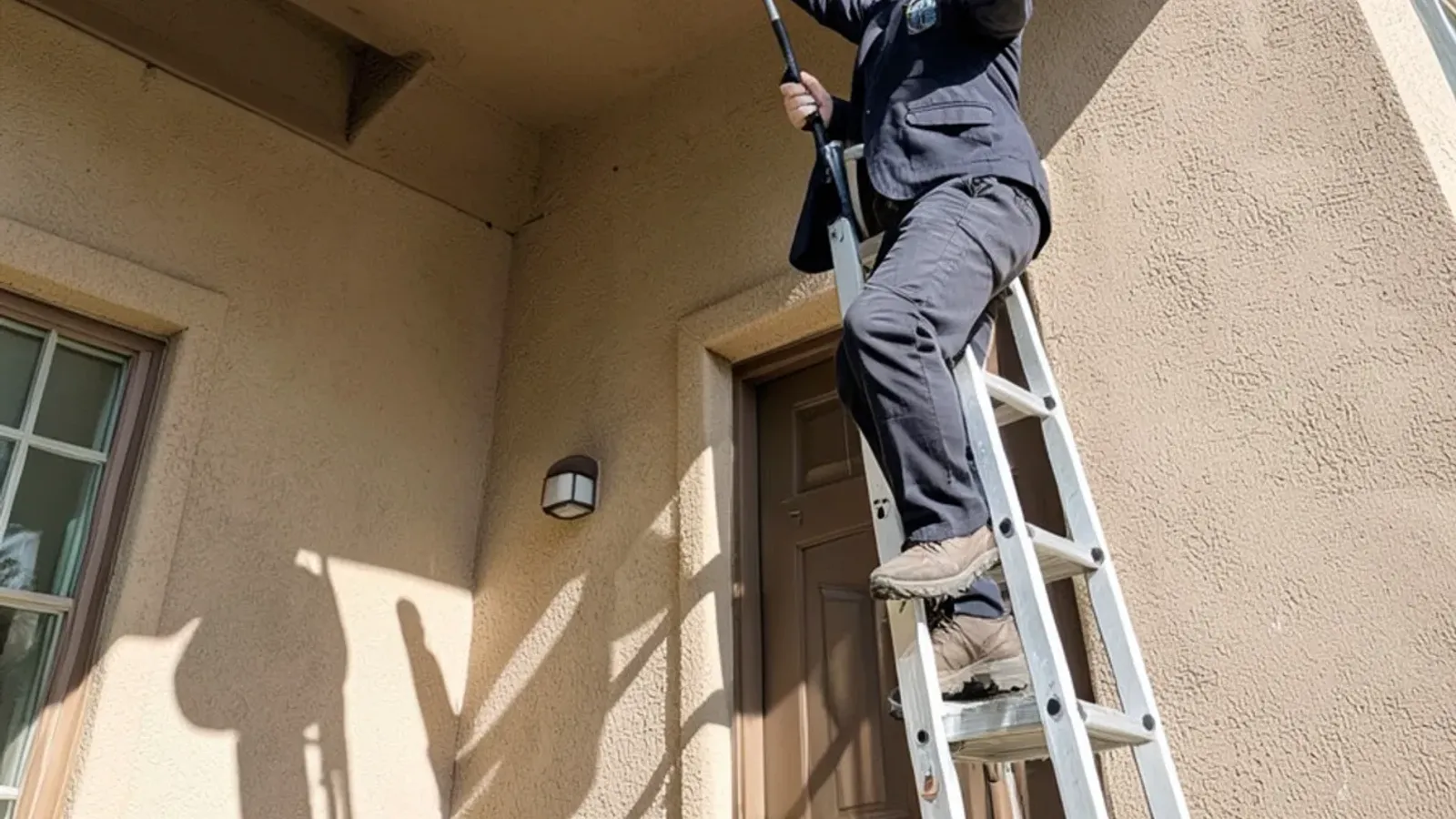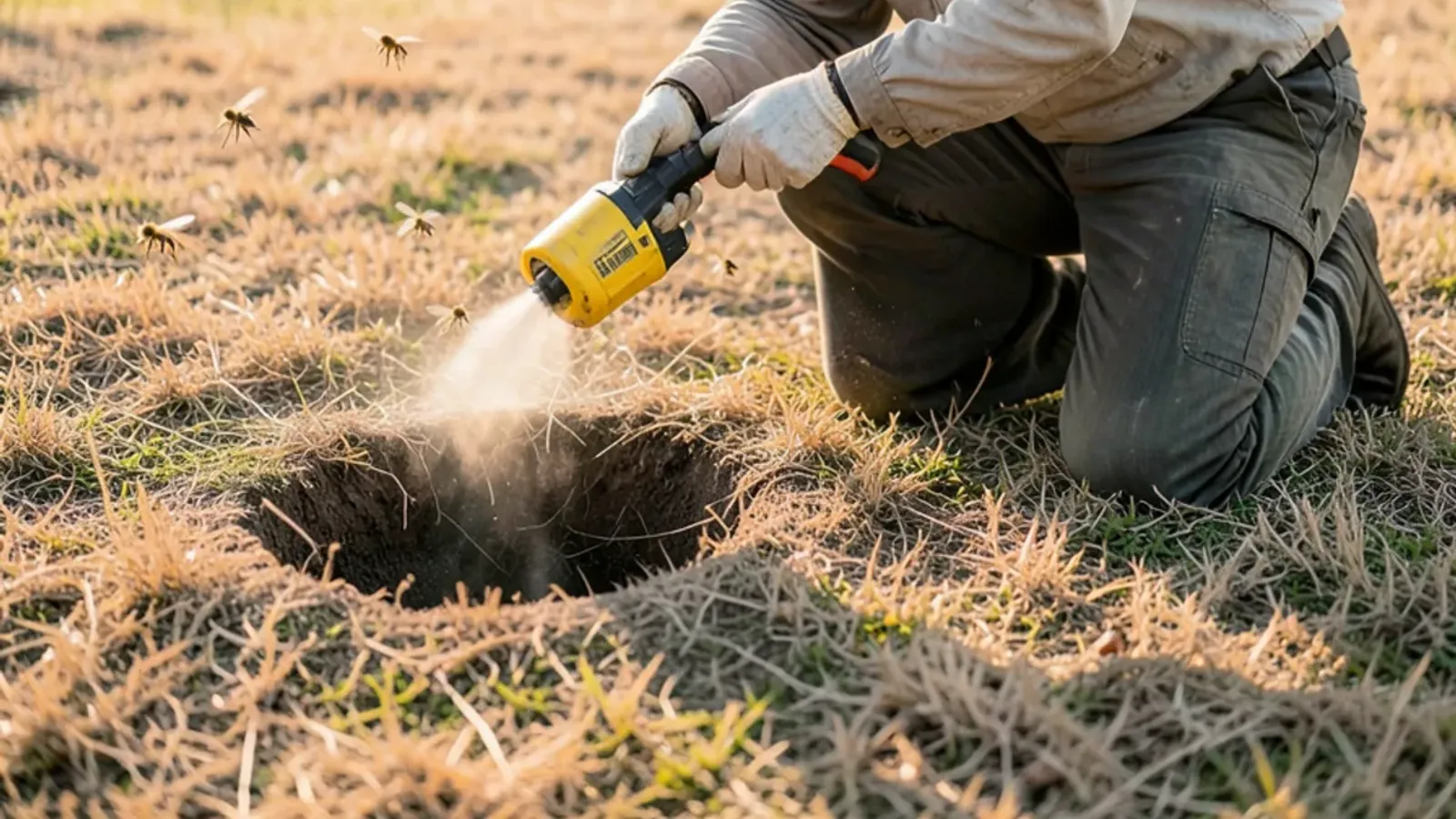
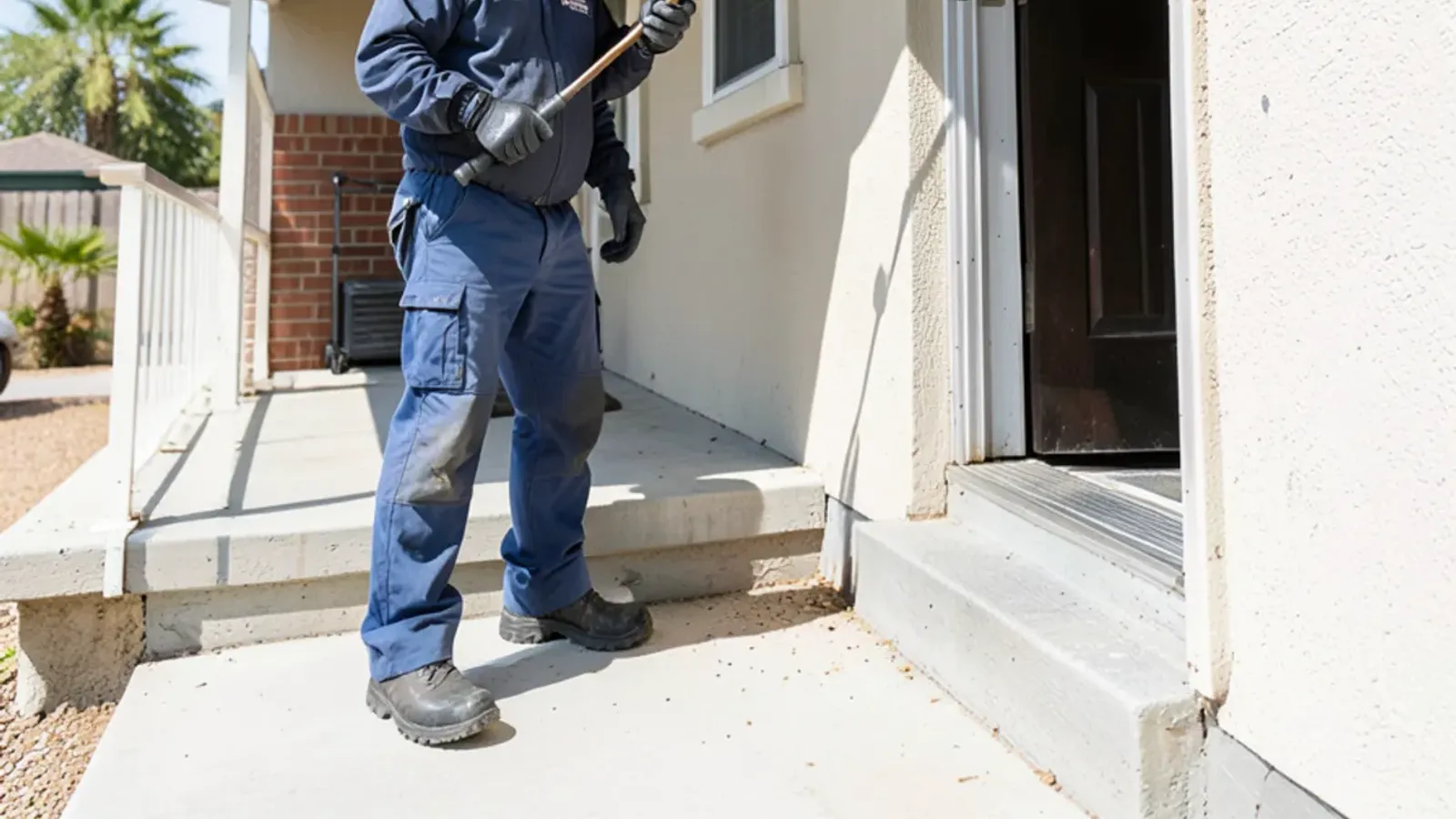
Emergency wasp nest removal in San Jose is for the nest that cannot wait — over a doorway, by a play area, or where someone has already been stung. Budget Pest Control prioritizes these for same-day service, treats the colony before removal, and handles the aggressive late-summer yellow jacket and hornet nests that make a yard unusable.
What a emergency wasp nest removal job includes
- Same-day priority for nests in high-traffic or dangerous spots
- Treatment of the colony before any nest is disturbed
- Removal of accessible nests and treatment of wall-void nests
- Help for anyone with a sting-allergy concern in the household
- Advice to prevent rebuilds on the same spot
How we handle it, step by step
- Call immediately. A nest over a door, by a play area or where someone was stung is an emergency — we prioritize it for same-day service.
- Stay clear. We tell you to keep people and pets away and not to disturb the nest while we come out.
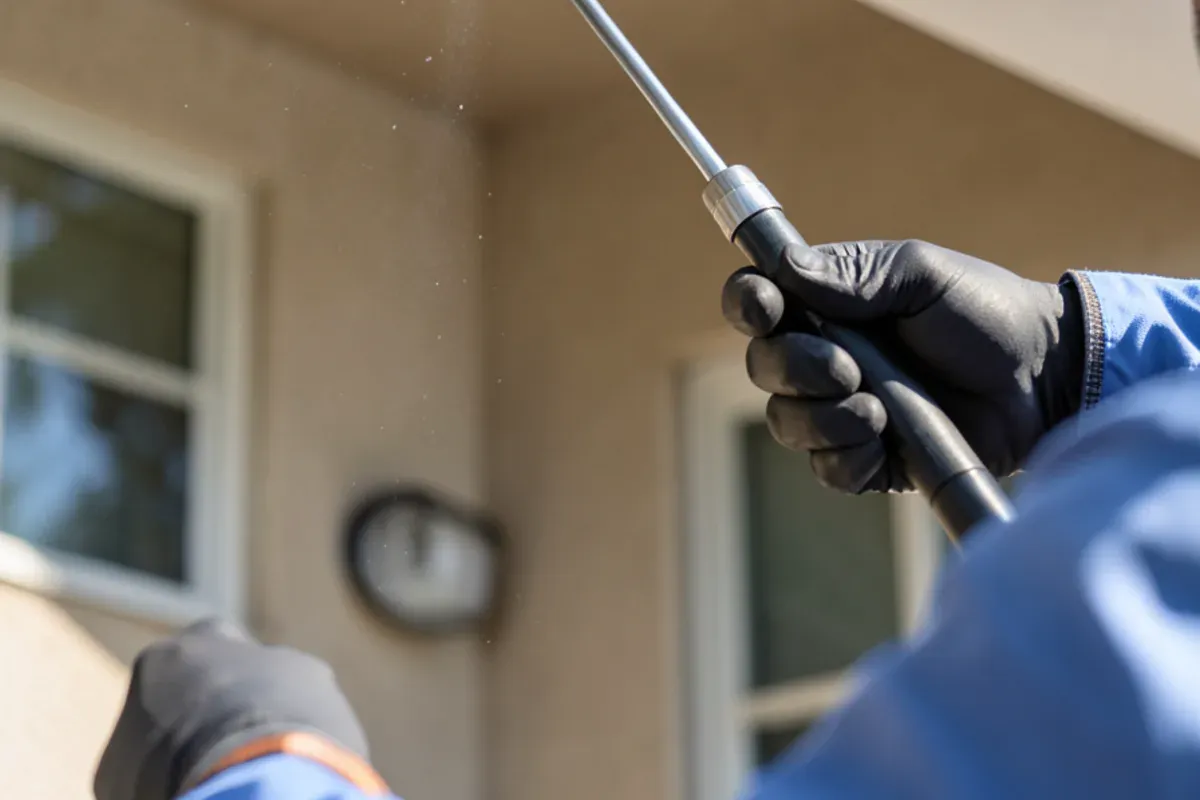
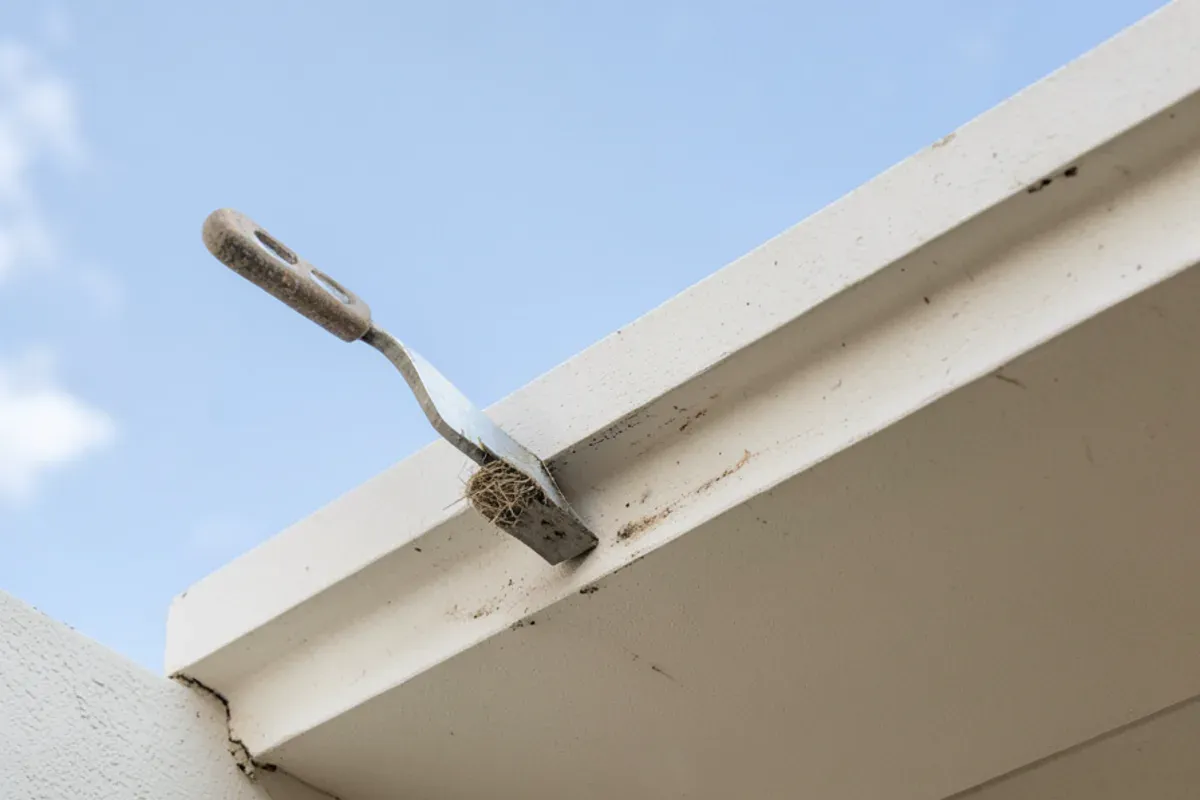
- Treat then remove. We treat the colony first so the wasps are controlled, then remove accessible nests and treat those in wall voids.
- Prevent. We advise on the eaves and gaps that drew the nest so it does not come back to the same spot.
Talk to a licensed pro
Call for a free estimate — we inspect, explain the finding and quote in writing before any treatment.
- Licensed — SPCB #5209
- 4.8★ on Google (20)
- Serving since 2007
- Free Estimates
What affects the price
- Urgency and time of day
- Nest location — eave versus wall void or ground
- Wasps, hornets or yellow jackets and colony size
Why choose Budget Pest Control for emergency wasp nest removal
- Same-day priority for dangerous nests
- We treat the colony before removal — safer
- Licensed SPCB operator (#11136) — verify at pestboard.ca.gov
- Owner-led, Saturday and on-call response
Emergency Wasp Nest Removal in San Jose & the South Bay
Late-summer yellow jacket and hornet colonies across Santa Clara County can number in the hundreds and turn a doorway or patio into a no-go zone, and hotter inland areas run a longer season. A nest where people pass — or where someone allergic lives — is exactly the emergency this service is for.
When a wasp nest is an emergency
A wasp nest becomes an emergency when it sits where people pass or where someone has already been stung — a doorway, a patio, a play area, or a home with an allergic resident. Late-summer yellow jacket and hornet colonies can number in the hundreds and defend the nest aggressively, so the location matters as much as the size. A few situations warrant a same-day call rather than a wait-and-see.
- A nest over or beside a door, garage or main walkway
- A nest near a play area, patio or where children gather
- Someone in the household already stung by the colony
- A resident with a known sting allergy
- A ground yellow jacket nest in a lawn or along a path
- A nest in a wall void with wasps entering the living space
What emergency wasp nest removal costs in San Jose
An urgent nest is priced by location and type — an accessible eave nest is simpler than one in a wall void or a ground colony that has to be treated at the burrow, and wasps, hornets and yellow jackets of different colony sizes vary in effort. Urgency and time of day can affect scheduling. The treatment comes before removal: we knock the colony down first so the nest can be taken out safely, rather than disturbing live, defensive wasps. We give a written estimate on arrival, and any work to prevent a rebuild on the same spot is quoted with it. A nest in a difficult spot — high on a roofline, deep in a wall, or in a tree over a walkway — takes more setup and access work, which we price on arrival once we can see it.
The Branch 2 license and a treat-first method
Stinging-insect work is Branch 2 general pest control under the Structural Pest Control Board, handled here by licensed SPCB operator #11136 — verify at pestboard.ca.gov. The licensing matters for a dangerous nest because the method does: we treat the colony before removal and, for a wall-void nest, treat through the entry point rather than sealing live wasps inside where they chew into living space. Santa Clara County’s late-summer colonies are at their most defensive on warm afternoons, and hotter inland areas like Gilroy and Morgan Hill run a longer season, so the right approach is a safety matter, not a convenience.