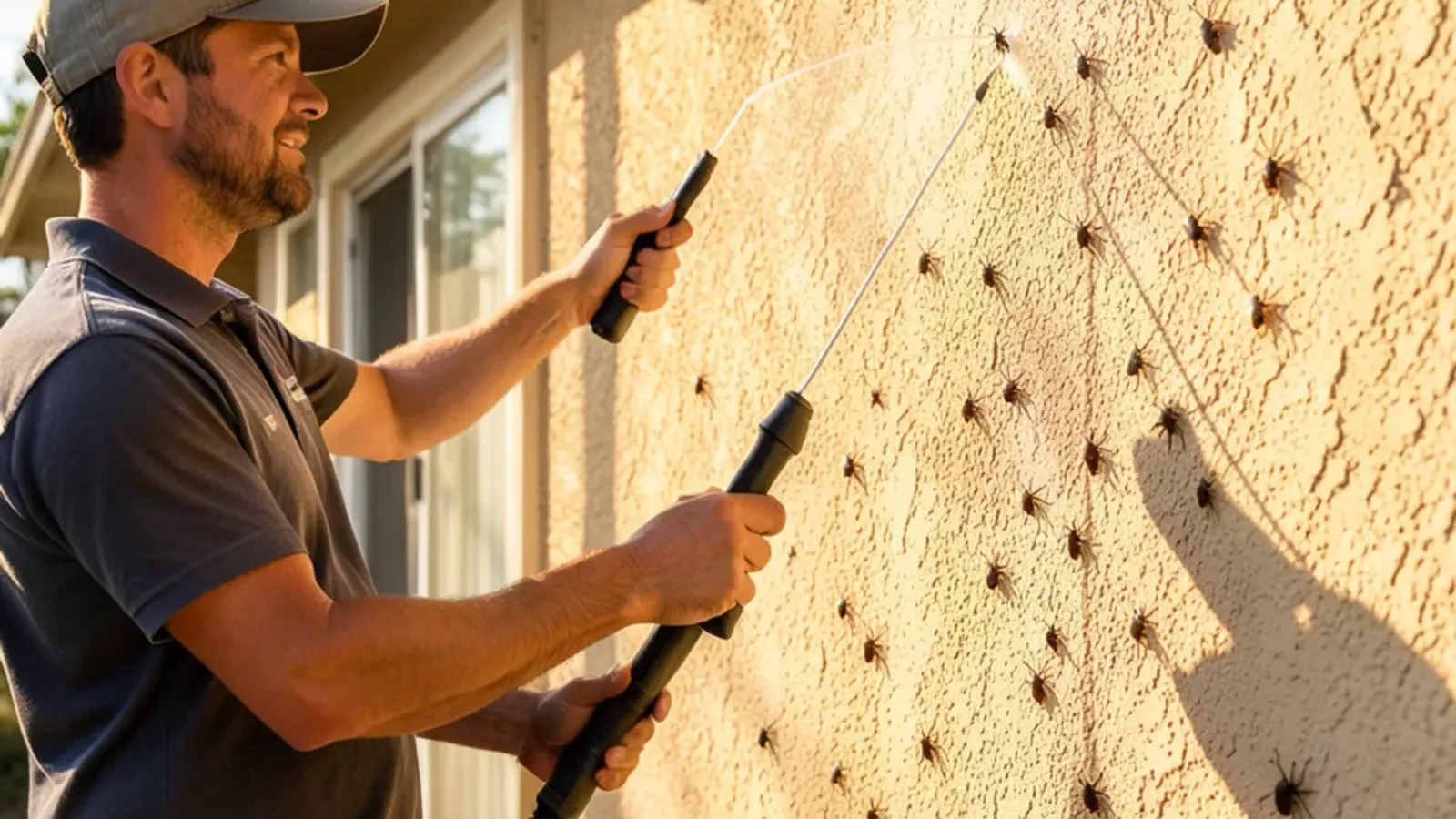
Pest-proofing in San Jose is prevention done physically — sealing the gaps, screening the vents and fitting the door sweeps that rodents and insects use, so fewer pests ever get in. Budget Pest Control inspects the building envelope and closes the openings, because the cheapest pest to deal with is the one that never reaches the door.
What a pest-proofing & sealing job includes
- An envelope inspection for the gaps pests exploit
- Sealing of pipe penetrations, roofline gaps and foundation openings
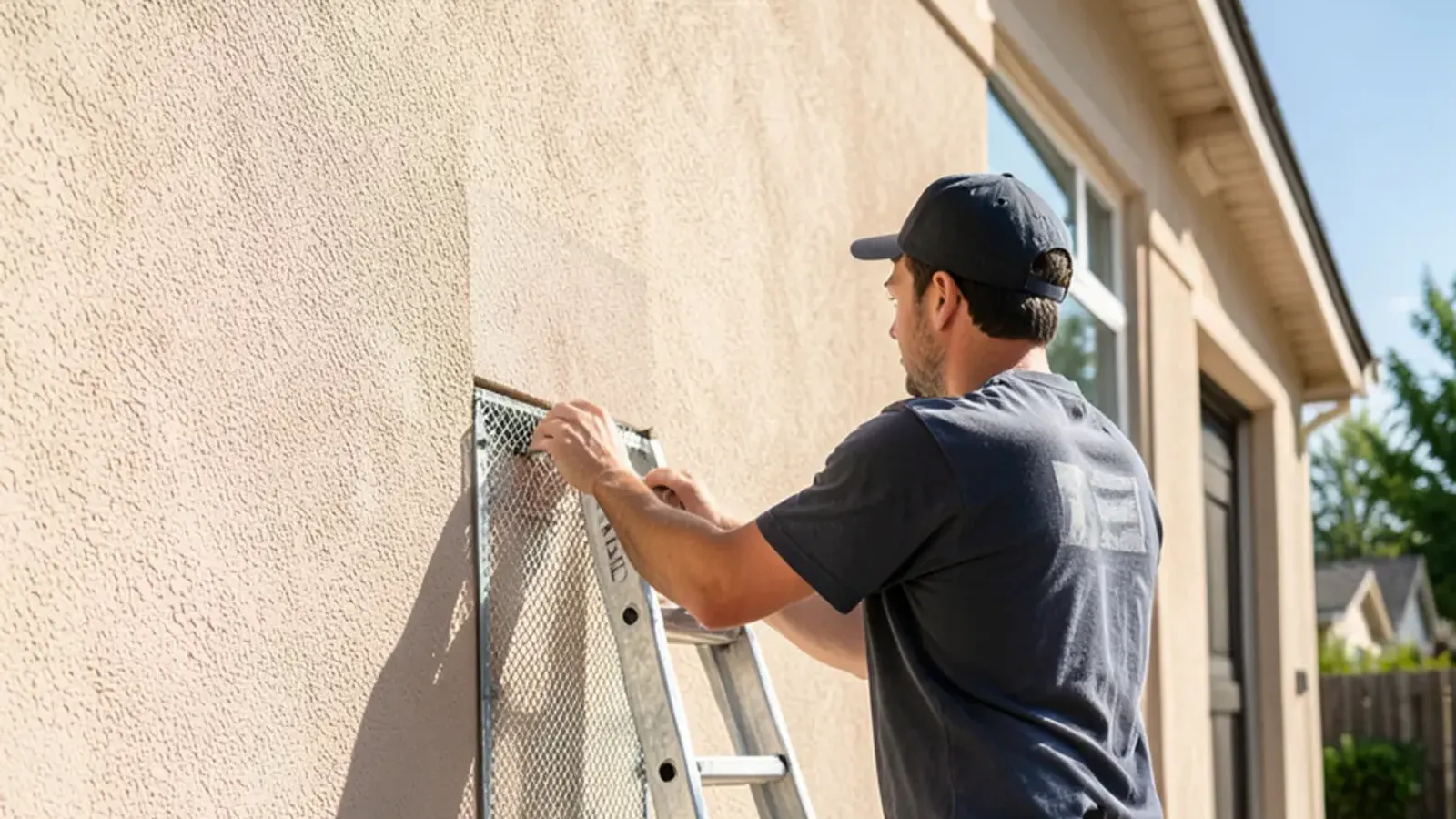
- Screening of foundation and crawlspace vents
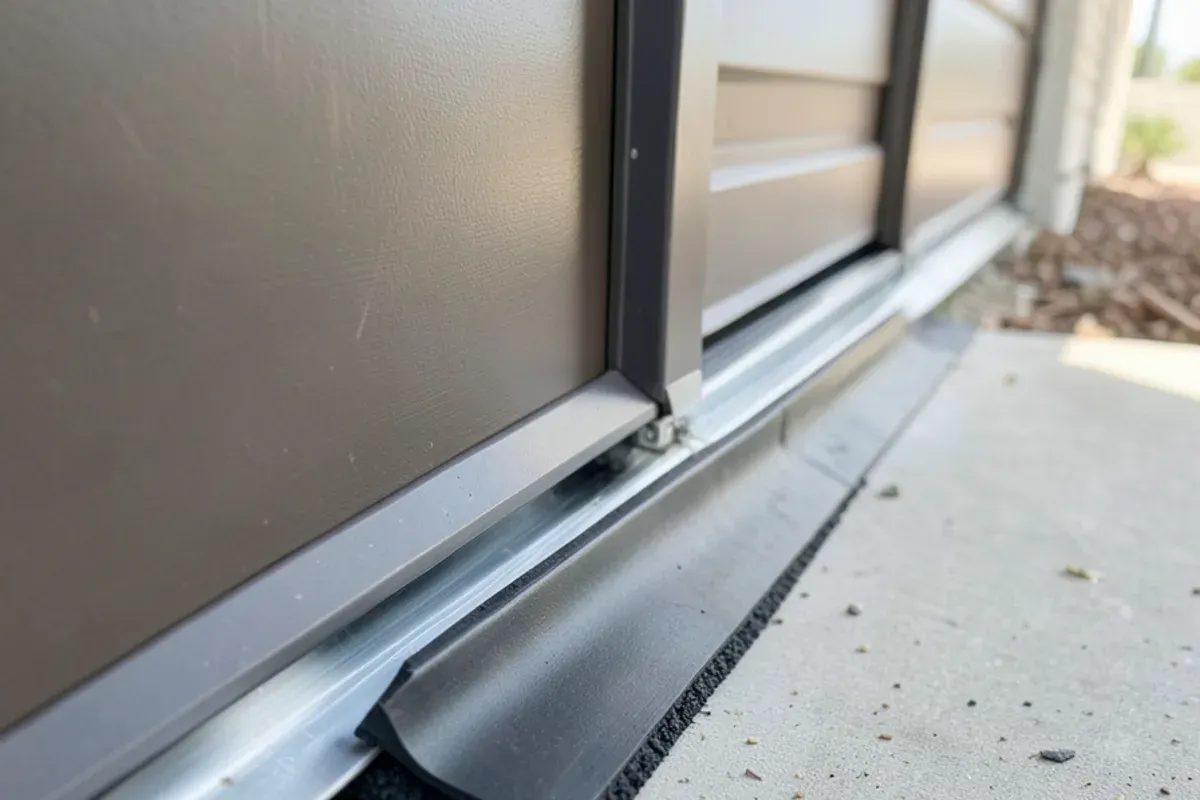
- Door sweeps and garage-corner fixes
- A prioritized plan when full proofing is phased
How we handle it, step by step
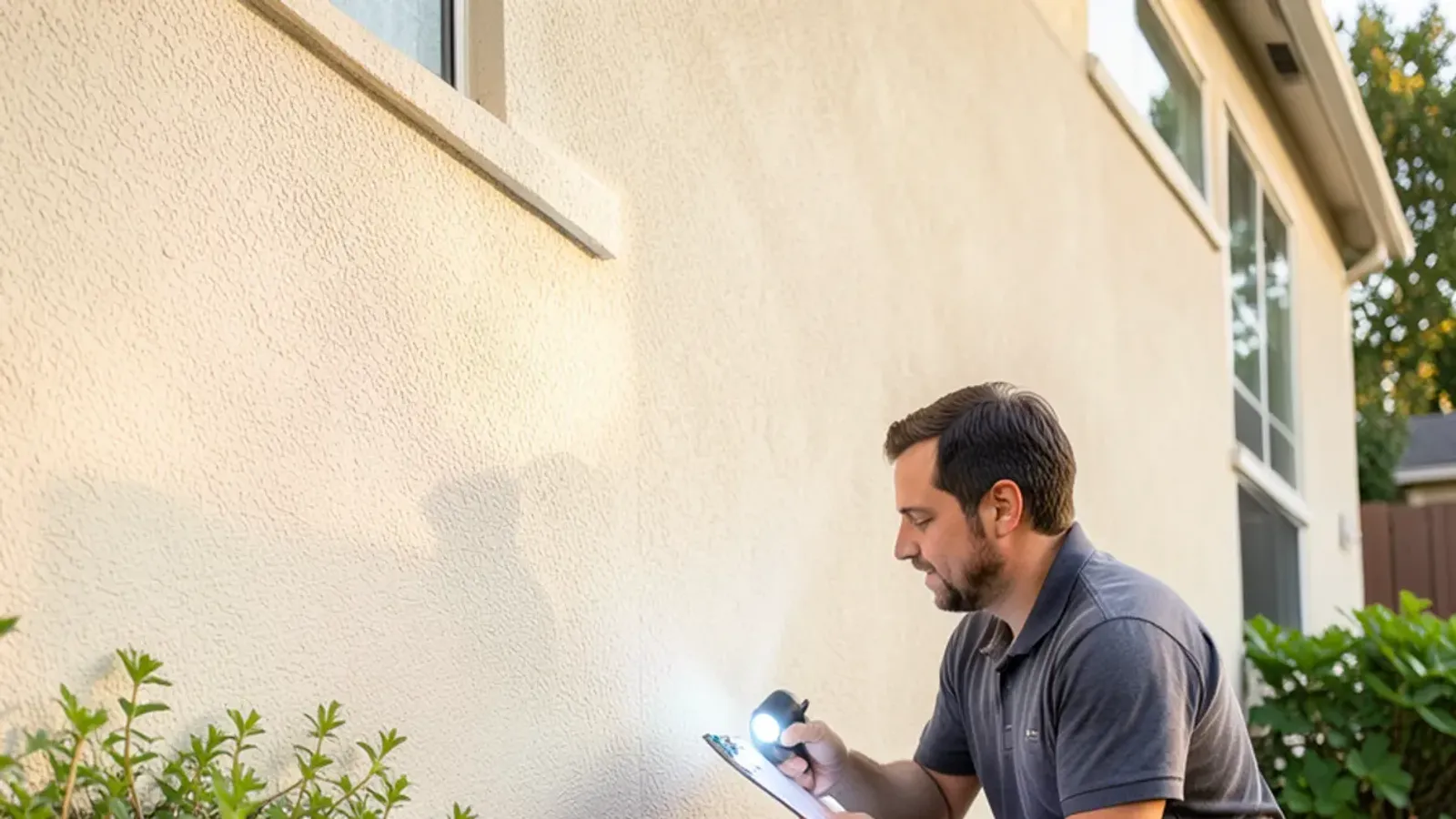
- Inspect the envelope. We examine the roofline, vents, pipe and utility penetrations, foundation, doors and garage for the gaps pests use.
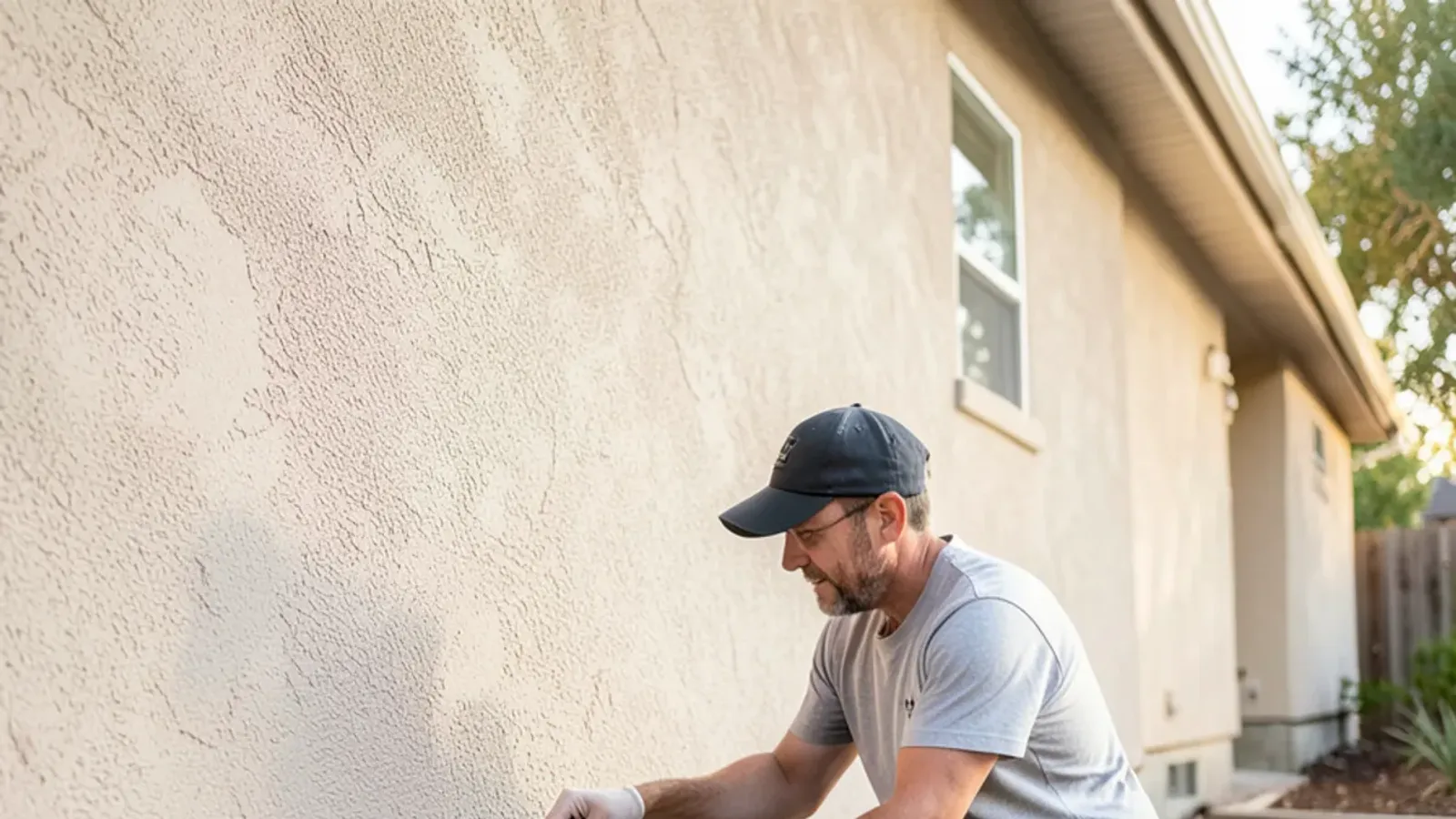
- Seal the big gaps. We close the openings rodents and insects exploit, using durable materials rather than temporary fillers.
- Screen and sweep. We screen foundation and crawlspace vents and fit door sweeps and garage-corner fixes.
- Prioritize. If proofing is phased, we sequence the highest-impact gaps first.
Talk to a licensed pro
Call for a free estimate — we inspect, explain the finding and quote in writing before any treatment.
- Licensed — SPCB #5209
- 4.8★ on Google (20)
- Serving since 2007
- Free Estimates
What affects the price
- Number and difficulty of openings
- Access to roofline and crawlspace
- Whether screening and door sweeps are included
Why choose Budget Pest Control for pest-proofing & sealing
- Prevention that reduces treatment later
- Durable sealing, not temporary fillers
- Licensed SPCB operator (#11136) — verify at pestboard.ca.gov
- Local knowledge of San Jose construction
Pest-Proofing & Sealing in San Jose & the South Bay
San Jose’s raised-foundation tract homes have crawlspace vents and gaps that rodents and insects pry into, while slab homes and Eichlers leak at the roofline and utility penetrations instead. Pest-proofing matched to the construction type is what keeps a treated home from becoming a repeat customer.
Signs a home needs pest-proofing
Pest-proofing is prevention done physically — closing the gaps and screening the vents pests use — and it pays off most for homes that keep getting the same invaders no matter how often they are treated. The building envelope, not the baseboard, is where those problems start. A few signs tell you a home is leaking at the envelope and would benefit more from sealing than from another round of spray.
- Rodents in the attic, garage or crawlspace returning after treatment
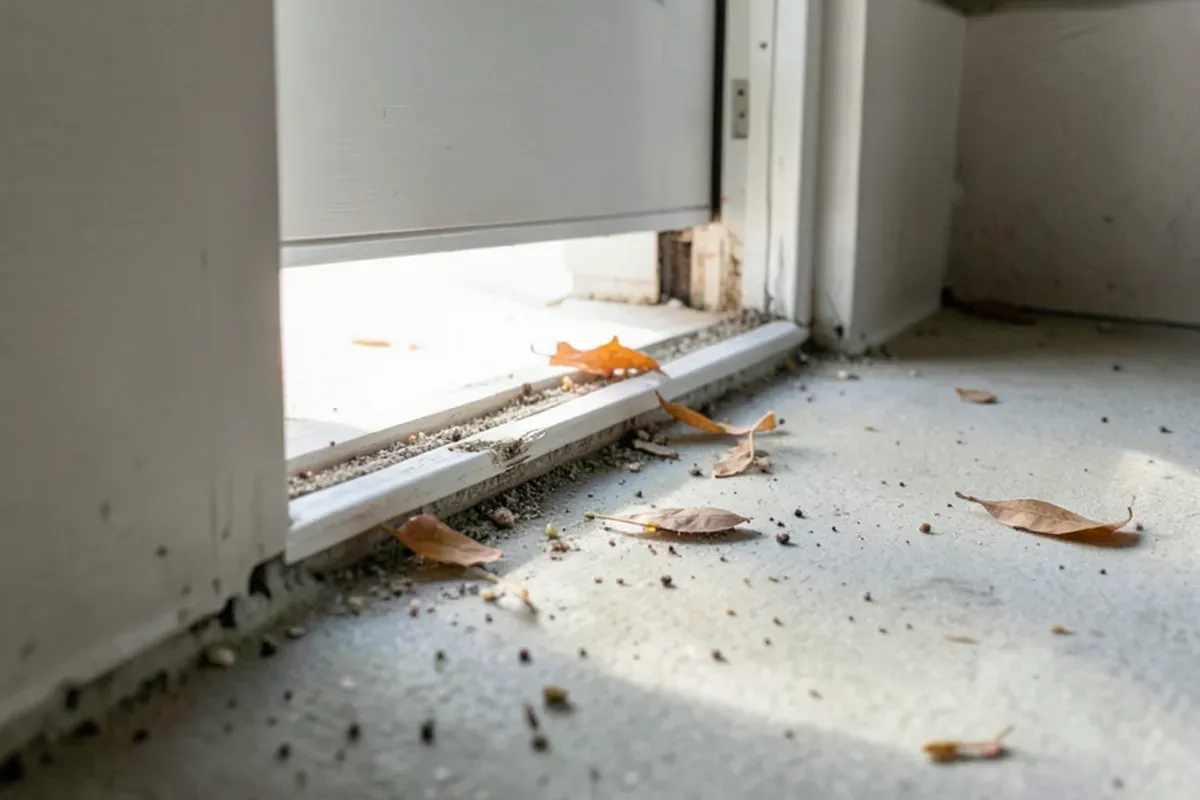
- Daylight visible under exterior doors or at the garage corners
- Unscreened or torn foundation and crawlspace vents
- Gaps around pipe, cable and utility penetrations through the wall
- Roofline, eave and fascia openings where wires and pipes enter
- The same insects getting in each season despite regular treatment
What pest-proofing costs in San Jose
Sealing is priced by the number and difficulty of the openings and by access — a reachable foundation vent is quick; a roofline gap or a tight crawlspace is more labor. Whether screening and door sweeps are included moves the number, and full proofing is often phased so the highest-impact gaps are closed first. Proofing costs more than a single treatment up front, but it reduces how much treatment the home needs afterward, so over a couple of years it usually pays for itself in visits you no longer schedule. We inspect the envelope and quote the openings that matter for your construction. Phasing the work lets you spread the cost while still closing the openings that drive the most calls first, so even a partial round of proofing cuts the pest pressure.
Exclusion matched to San Jose construction types
Pest-proofing is part of integrated pest management, the approach the City of San José’s 2023 IPM policy puts ahead of chemical treatment, and Budget Pest Control does this work as licensed SPCB operator #11136 — verify at pestboard.ca.gov. The licensing matters because effective exclusion depends on reading the construction: raised-foundation tract homes leak at crawlspace and foundation vents, while slab houses and Eichlers leak at the roofline and utility penetrations. Durable materials fitted to the right gap are what hold; a temporary filler in the wrong spot just delays the next entry. We photograph the openings we seal so you have a record of the work, which is useful if you later add a treatment plan or sell the home and want to show the envelope was addressed.