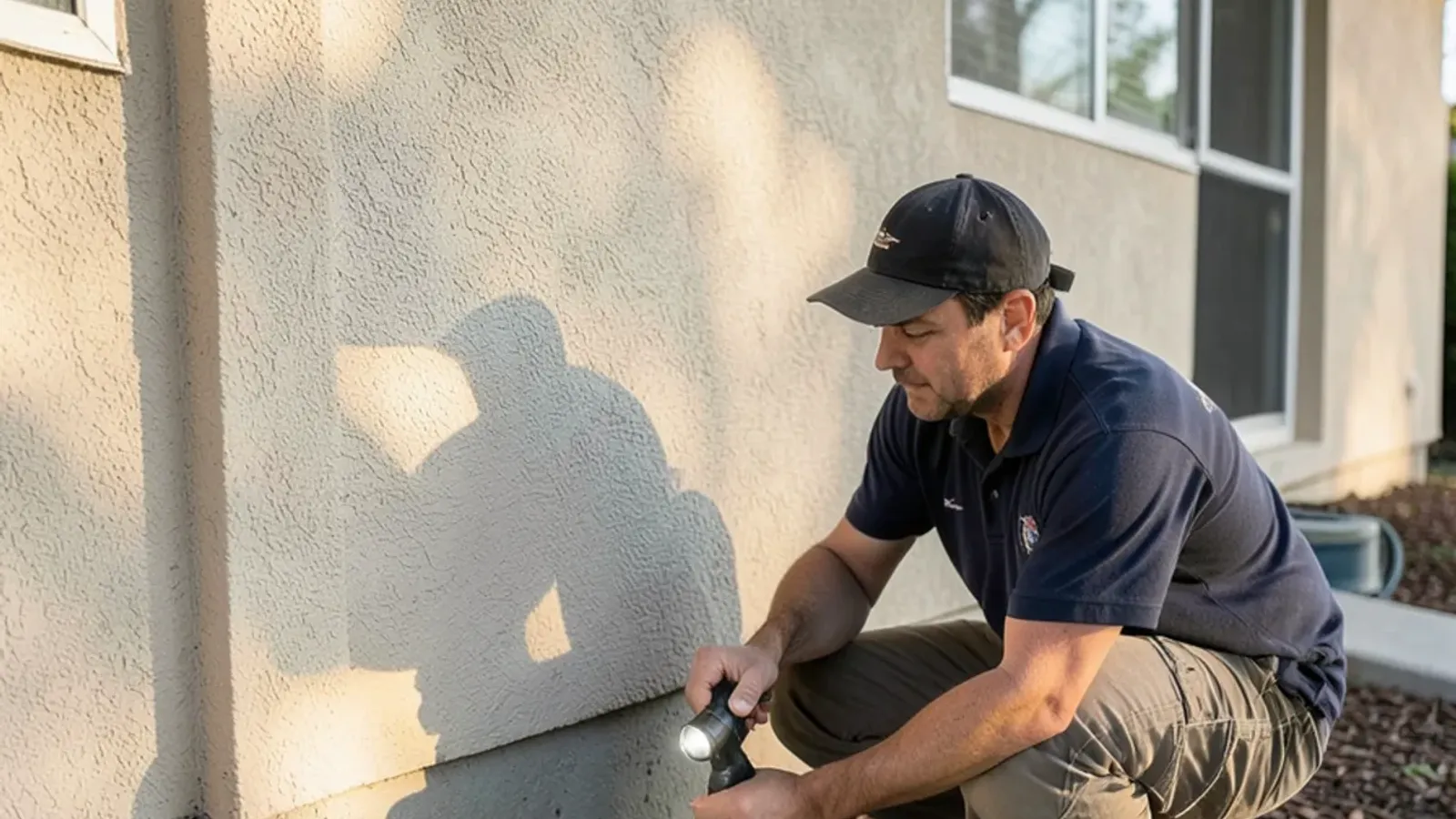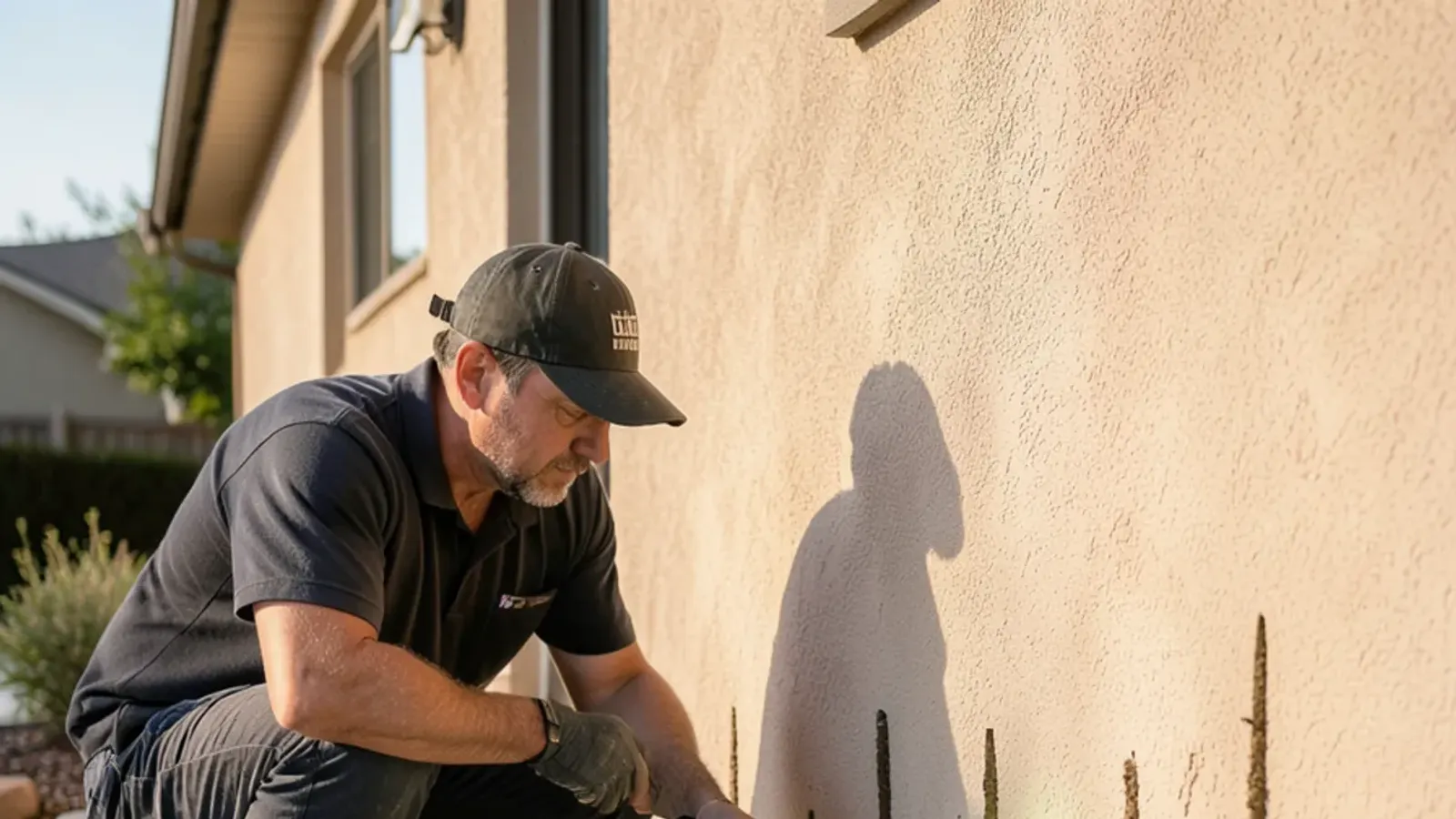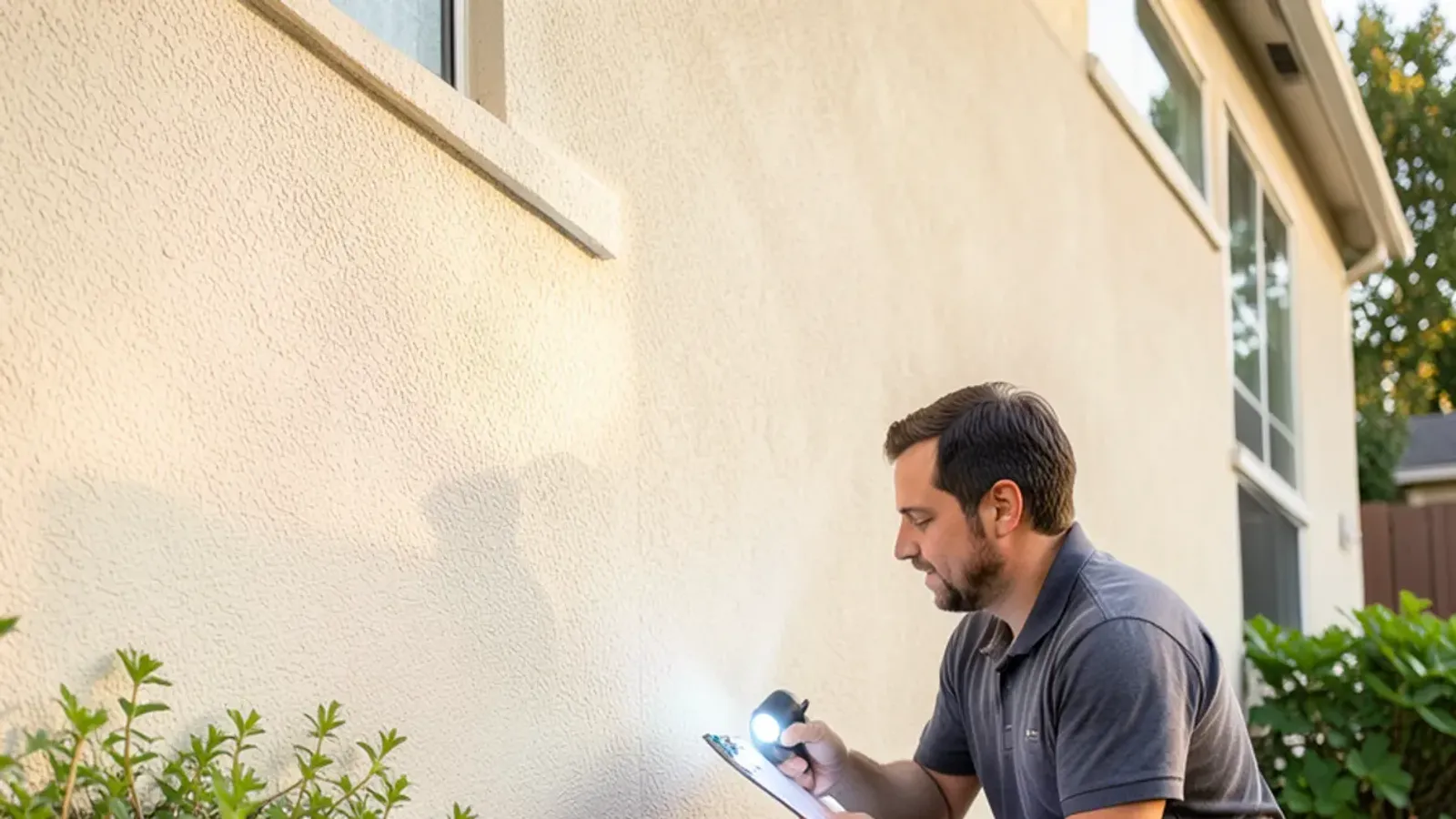
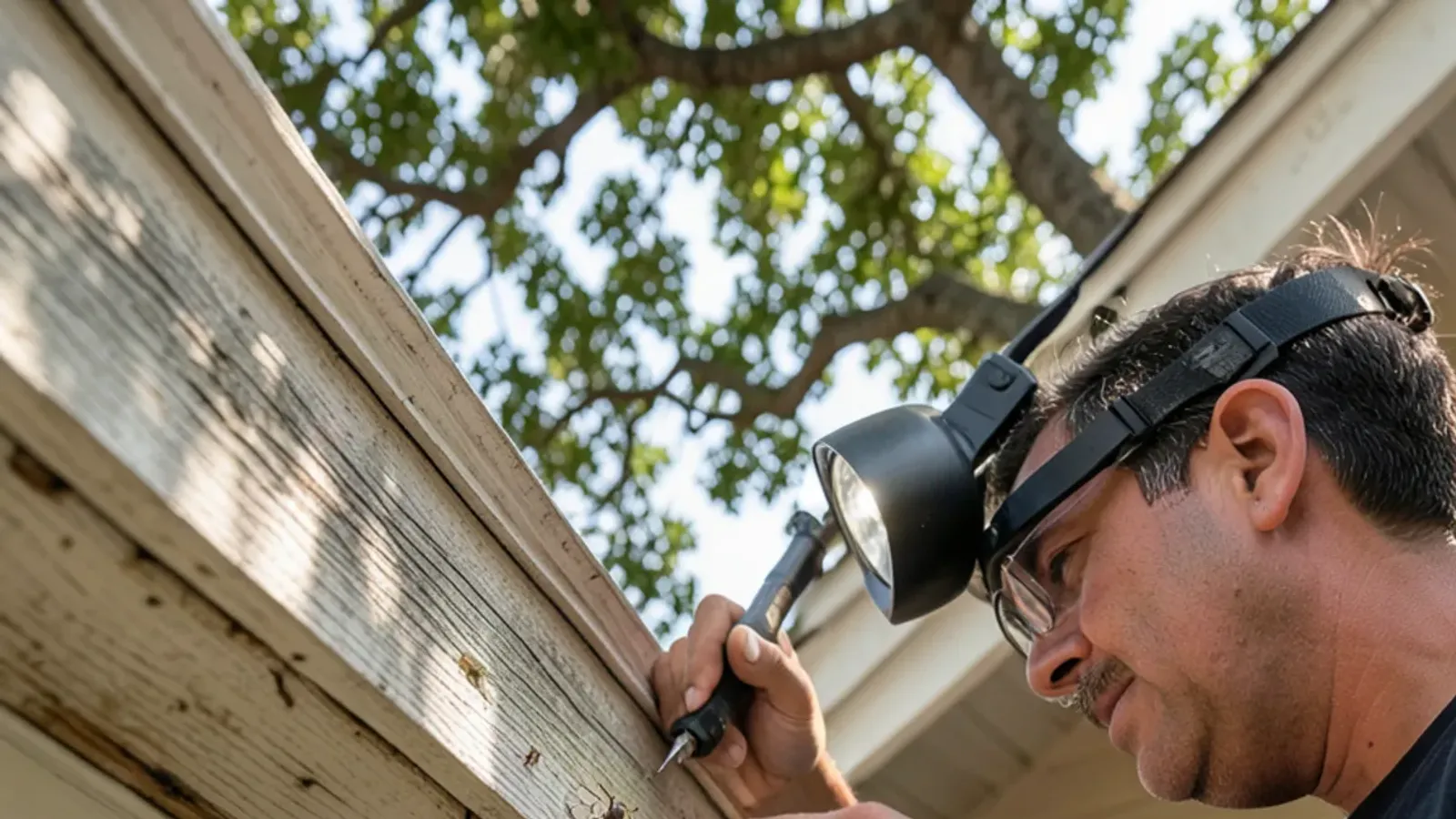
Carpenter ant control in San Jose means finding the nest — usually in damp or previously damaged wood — and treating it directly. Budget Pest Control identifies carpenter ants (the large black ants that hollow out wood for nests rather than eat it) and tracks them back to the source.
What a carpenter ant control job includes
- Identification of carpenter ants versus termites and other large ants
- A hunt for the nest in damp wood, voids and damaged framing
- Direct treatment of the nest and foraging trails
- A check for the moisture problem feeding the nest
- Advice on repairing and drying the wood they chose
How we handle it, step by step
- Identify. We confirm carpenter ants — large, usually black, often seen at night — and rule out termites, which call for different treatment entirely.
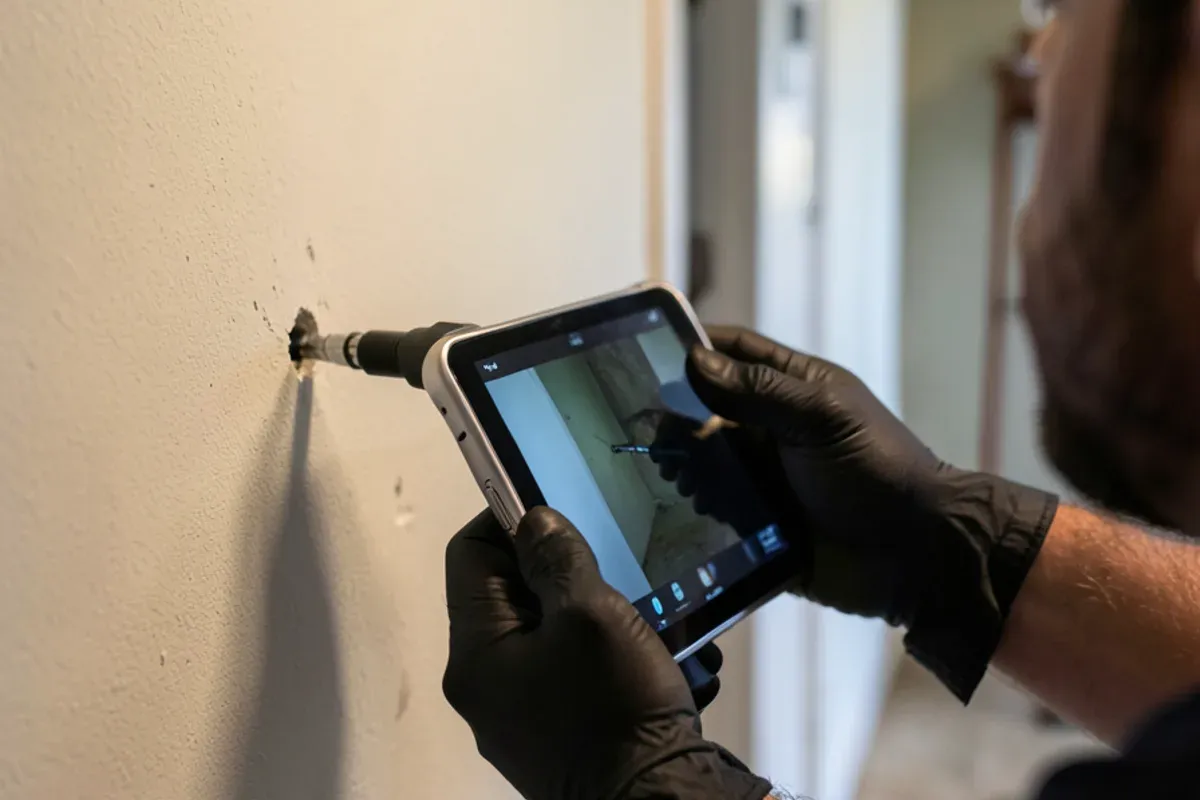
- Find the nest. We trace the ants to the nest, typically in damp or damaged wood, a wall void or a tree stump near the house.
- Treat the source. We treat the nest directly and the trails that feed it, rather than just the foragers indoors.
- Fix the draw. We point out the moisture or wood damage that invited them, since carpenter ants follow water.
Talk to a licensed pro
Call for a free estimate — we inspect, explain the finding and quote in writing before any treatment.
- Licensed — SPCB #5209
- 4.8★ on Google (20)
- Serving since 2007
- Free Estimates
What affects the price
- Whether the nest is indoors, in a wall void or outside
- Severity and any associated moisture damage
- Number of satellite nests
Why choose Budget Pest Control for carpenter ant control
- We find and treat the nest, not just the visible ants
- We tell you honestly whether it is carpenter ants or termites
- Licensed SPCB operator (#11136) — verify at pestboard.ca.gov
- Local since 2007
Carpenter Ant Control in San Jose & the South Bay
Carpenter ants follow moisture, and San Jose homes with damp crawlspaces, leaking eaves or wood-to-soil contact give them a start. People often mistake the big black ants for termites — the difference matters, because the treatments are nothing alike.
Signs you need carpenter ant control in San Jose
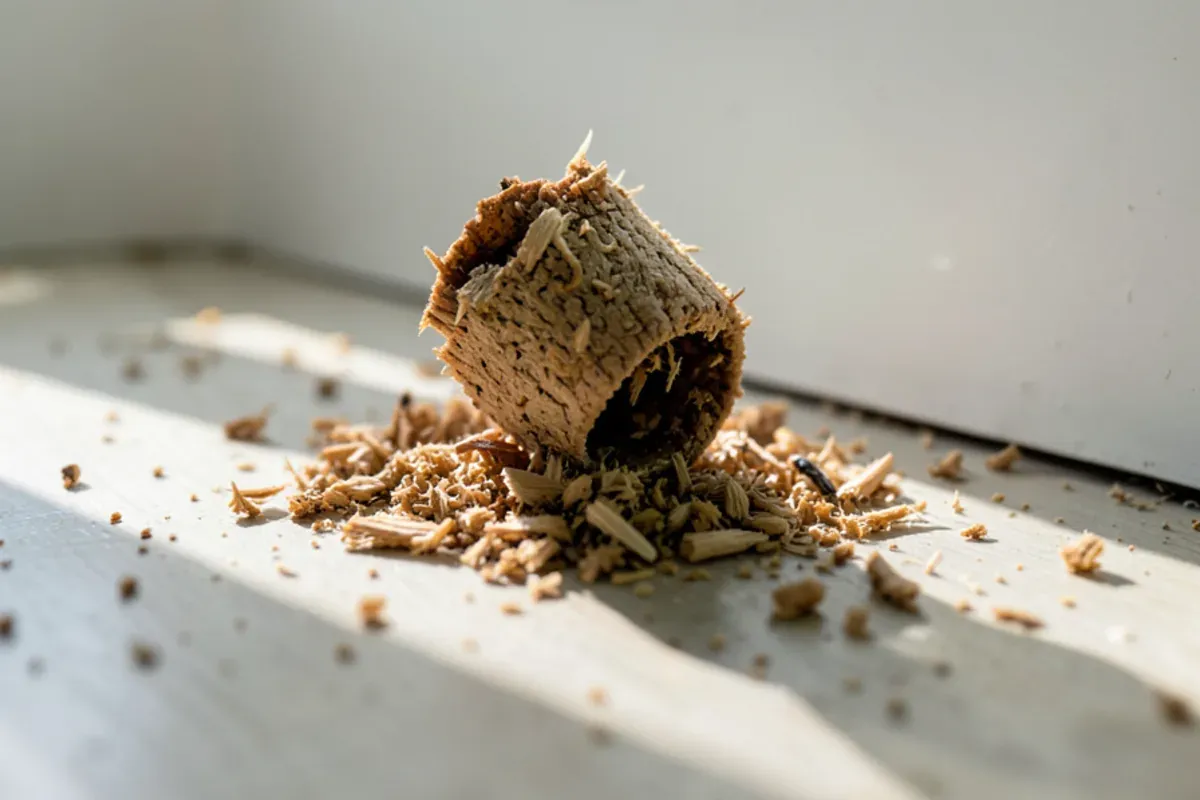
Carpenter ants do not eat wood — they excavate it to nest, so the first sign is often coarse sawdust, called frass, piled below a baseboard, windowsill or eave. You will see large ants, usually black and a quarter-inch or more, foraging after dark; a trail of them at night is the classic tell. They follow moisture, so a soft spot in the framing, a leaking eave or a damp crawlspace is where they settle. A faint rustling inside a wall on a quiet evening is the colony working the galleries. Finding one or two large ants indoors in winter is a strong clue the nest is inside the structure, not out in the yard.
- Coarse sawdust (frass) under trim, sills or in the crawlspace
- Large black ants foraging at dusk and after dark
- Winged swarmers gathering at a window in spring
- A faint rustling or crackling inside a wall void
- Smooth-walled galleries carved in damp or damaged wood
- Activity tracing back to a leaking eave, deck or tree stump
What carpenter ant control costs in San Jose
What you pay depends on where the nest sits — an accessible wall void or stump is easier than a nest buried in framing — on the severity and any moisture damage behind it, and on whether satellite nests have formed off the parent colony. A straightforward single-nest treatment sits lower; a home with water damage feeding several satellites runs higher because there is more to find and treat. On statewide estimates a one-time general pest visit runs about $125–$350. We locate the nest and put the scope in writing first, since treating foragers without the nest wastes your money. A second nest off-site in a stump or fence post can keep reseeding the house, so we check the yard as well as the structure.
Carpenter ants versus termites — and why licensing matters
Carpenter ant work is Branch 2 general pest work under California’s Structural Pest Control Board, and Budget Pest Control holds SPCB registration #5209 under operator #11136 — verify both at pestboard.ca.gov. The license matters here for a second reason: people constantly mistake these ants for termites. Termite work is a separate Branch 3 discipline with its own rules and methods, so an honest, licensed identification protects you from paying for the wrong treatment entirely. We tell you plainly which insect you have before anyone recommends a fix.